Tag: Tasmania
-

Protecting Our Wild Places
Explore why protecting Tasmania’s wildlife habitat matters, what’s at stake, and how we can all help care for the places we call wild.
-

Platypus Doing Platypus Things
The platypus is unlike any other animal and is often described as strange, secretive, and endlessly fascinating. In this post, we explore why platypus matters, both the book by Jack Ashby and the truth it reveals. Through our own rescues and real life encounters, we share what makes this species so special and why its…
-
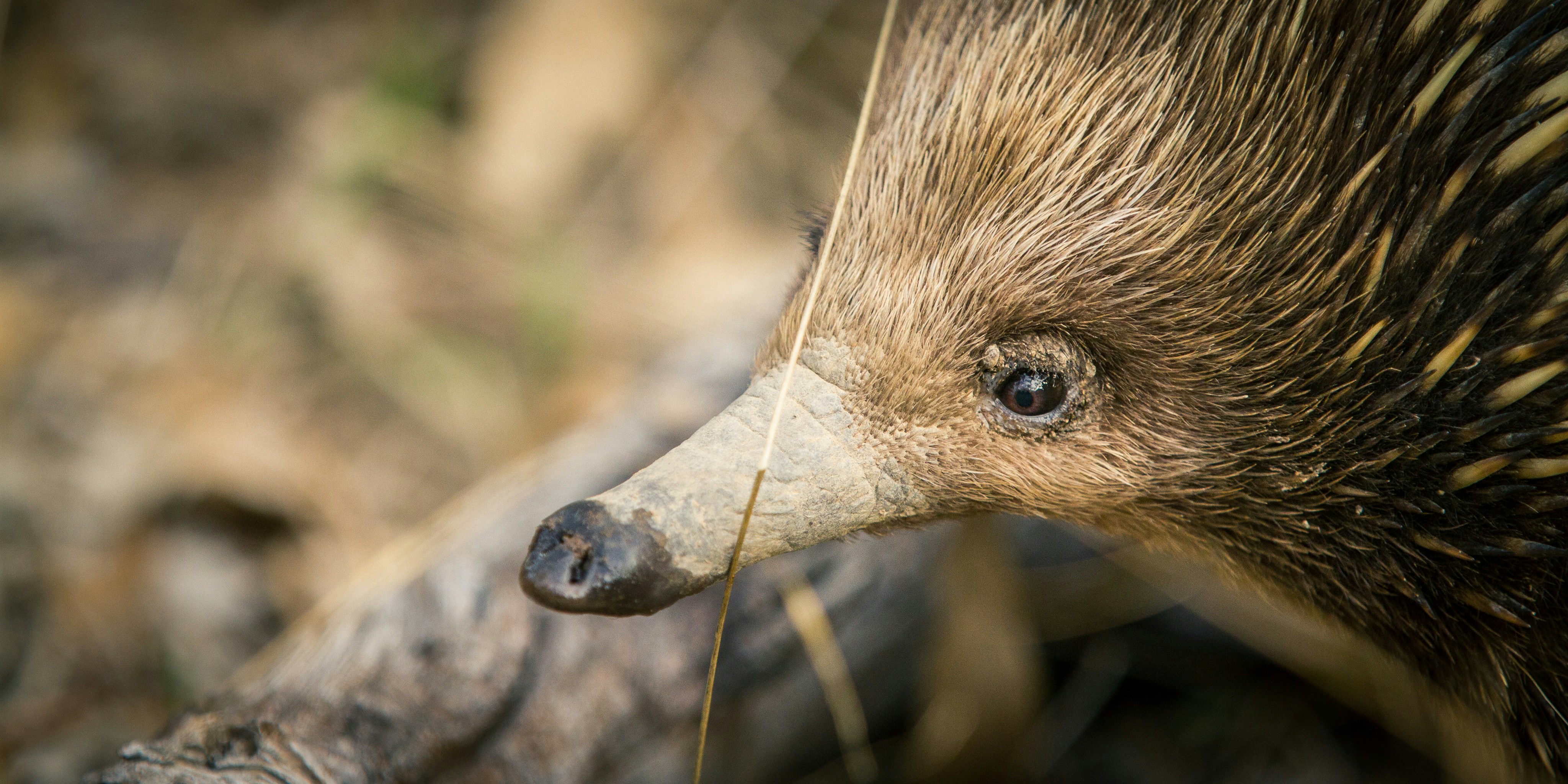
The Curious Case of Echidna Trains
Even in the quiet of winter, echidnas are on the move, and sometimes, they travel in a rather curious procession known as an echidna train. One female leads the way while a line of determined males follows behind, each hoping for a chance to mate. It’s a quirky, rarely seen spectacle of the wild.
-
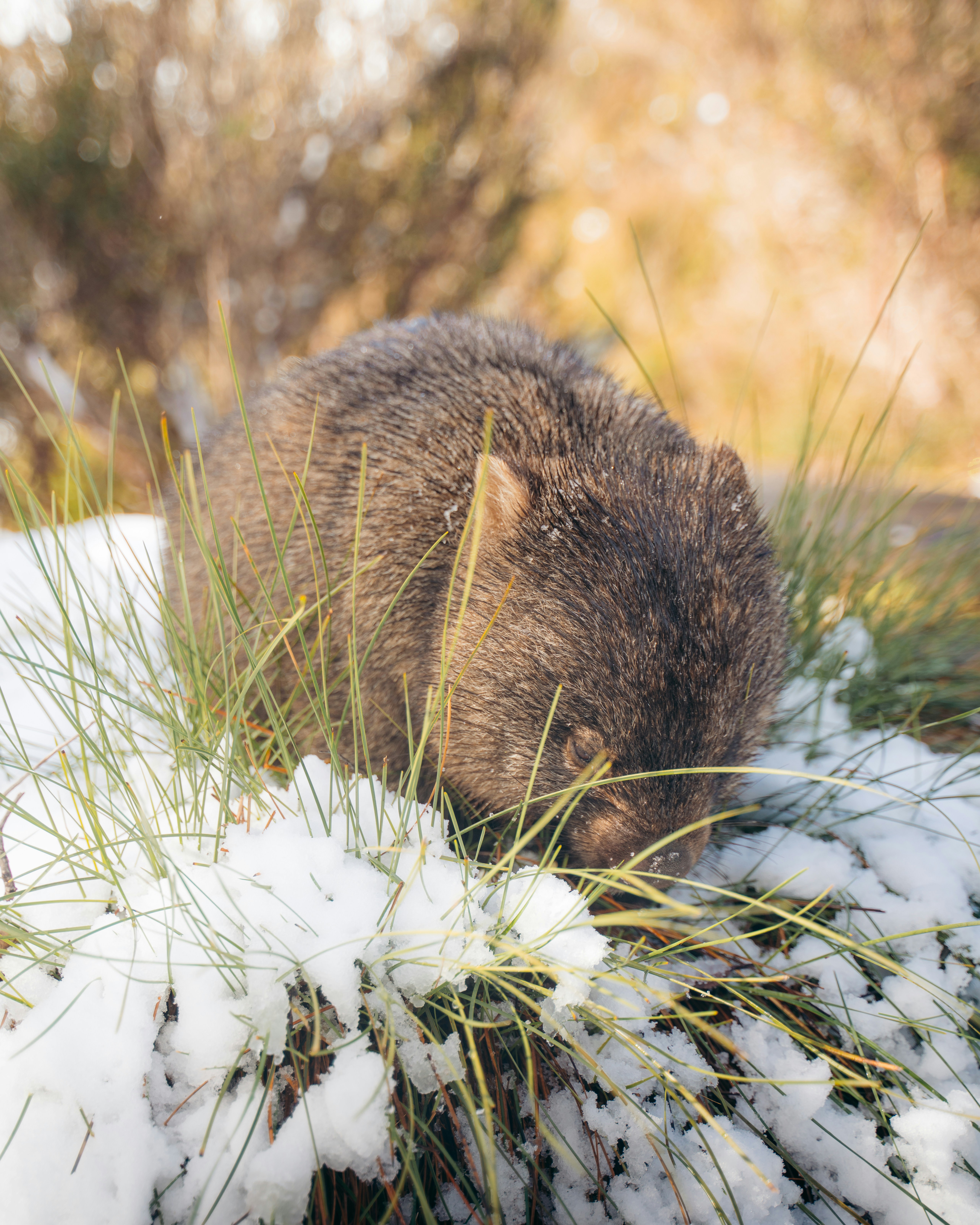
Tasmania’s Winter Wildlife Guide
Even in the coldest months of the Tasmanian year, our native wildlife doesn’t disappear, it simply changes pace. While some animals stay tucked away, others remain surprisingly active. From wombats and echidnas to owls and possums, this winter guide explores who’s out and about, and how you can help protect them.
-
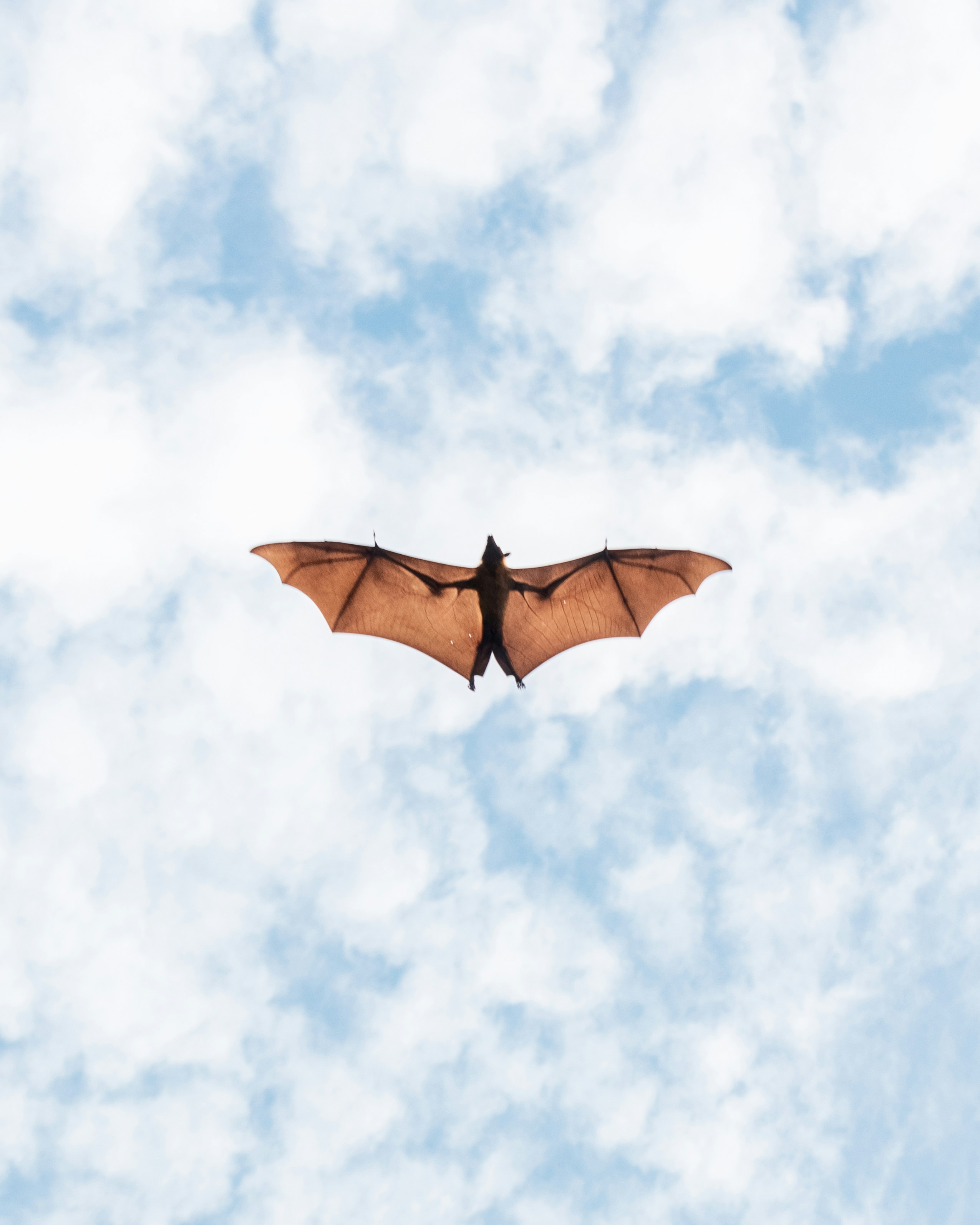
Australian Bat Lyssavirus: Why You Should Never Touch Bats
Australian Bat Lyssavirus (ABLV) is a rare but fatal virus that can be transmitted to humans through bat bites or scratches. This guide explains how ABLV spreads, why untrained members of the public should never handle bats, and what to do if you find a sick or injured bat in Australia.
-
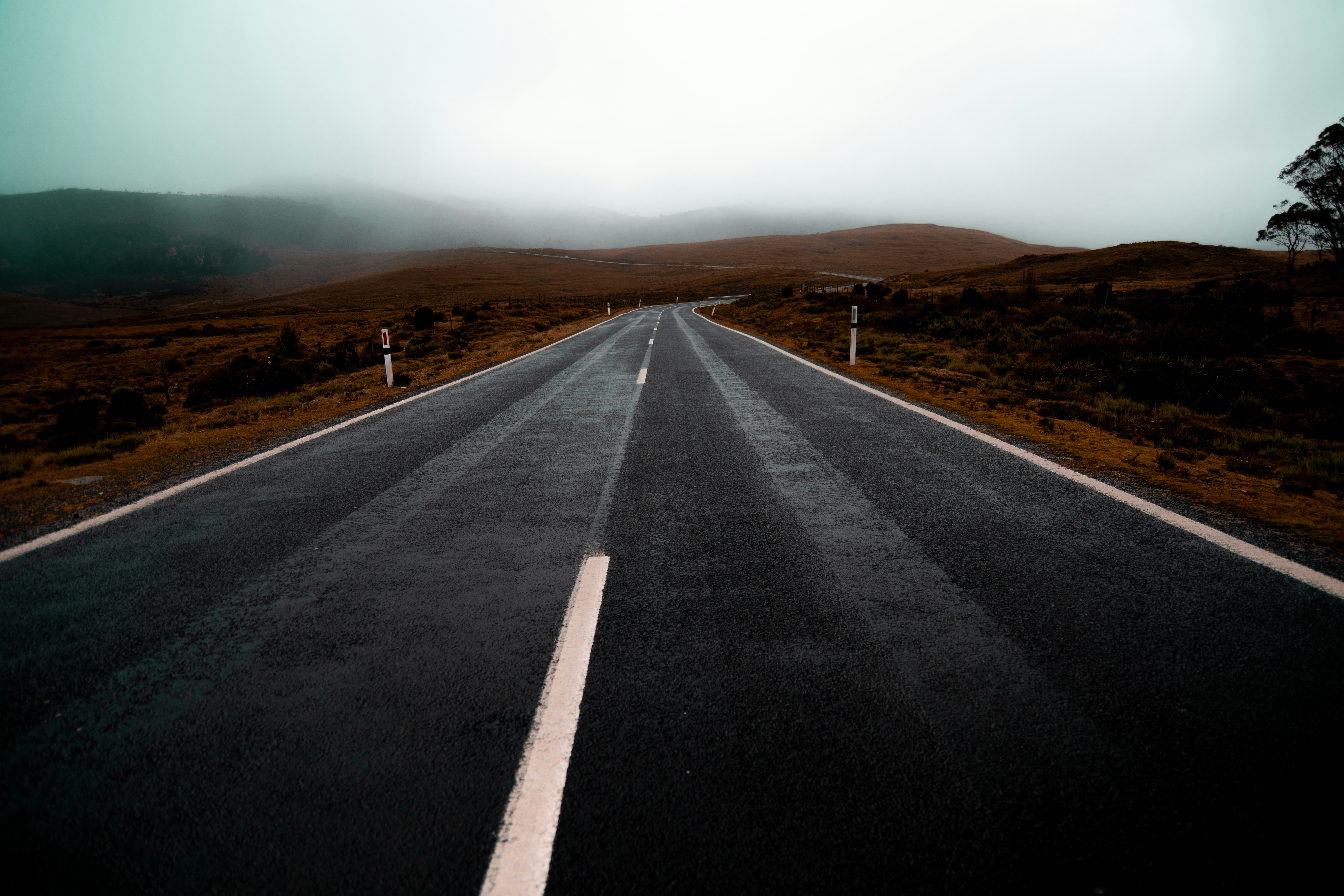
What to Do if You Find Injured Wildlife
Found an injured animal and not sure what to do? This guide walks you through the steps to safely help Tasmania’s native wildlife, including who to call and when to intervene.
-

How to Coexist with Possums in Tasmania
Possums are a familiar part of life across Tasmania, but sharing our homes and gardens with wildlife can sometimes raise questions. Learn how to identify Tasmania’s common possum species, understand their behaviour, resolve common conflicts humanely, and know what to do if you encounter an injured or orphaned possum.
-
Why Checking for Joeys Matters More Than You Know
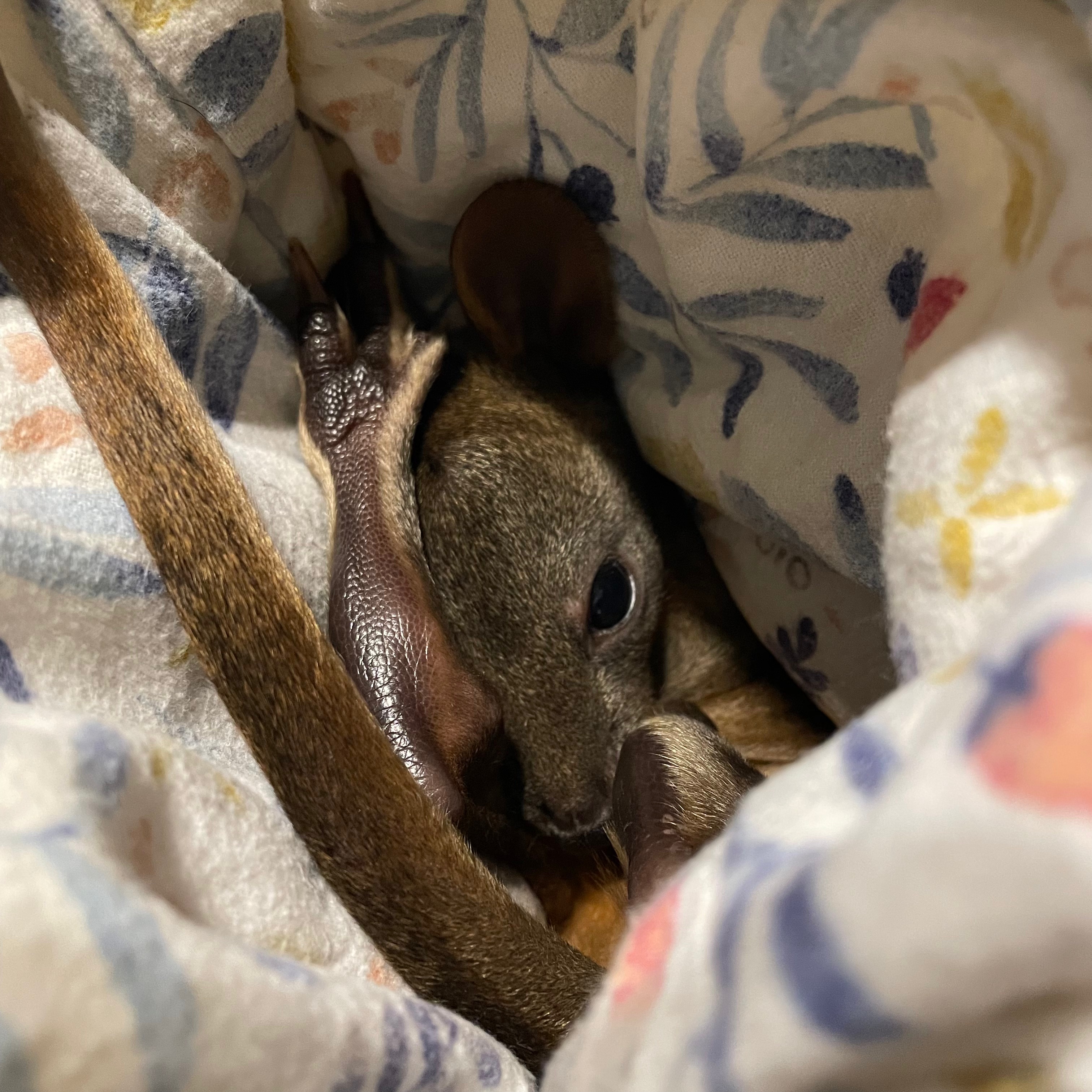
Luna is a young pademelon joey, furred, bright-eyed, and far too small to survive without her mum. When we arrived, she was curled tight in a blanket, blinking up at us, with only the smallest signs of injury: a few minor abrasions on her toe and heel, likely from the impact. Thankfully, she was otherwise…
-

Little Auzzie, the Brushtail Possum Joey
As wildlife carers, we are no strangers to loss. But the methodical nature of this scene, the senselessness of it, left us feeling angry. Possums are sometimes hit by cars. That is devastating enough. But this was something else entirely. This was a deliberate act of cruelty.
-
Gary, the Cheeky Galah
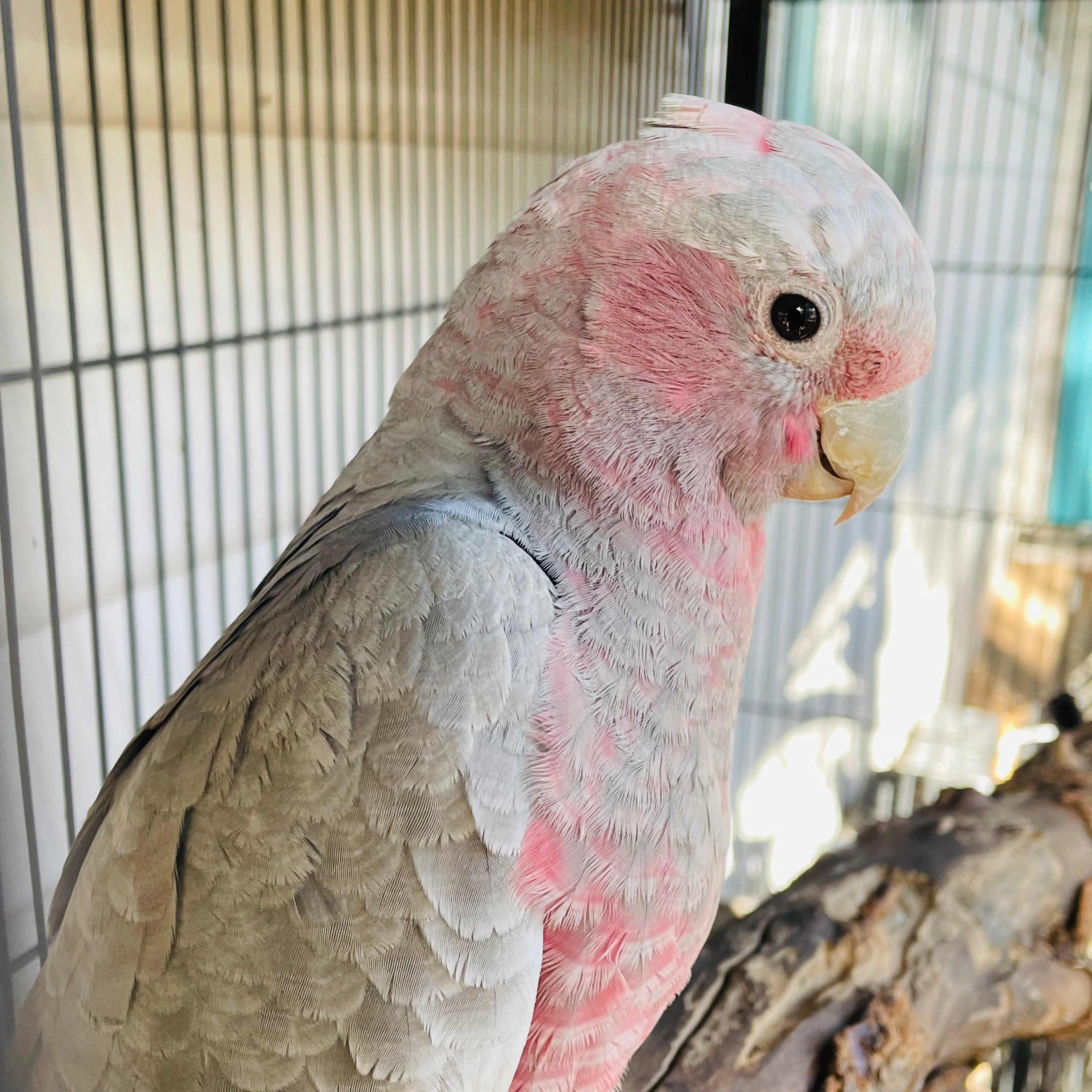
Gary found himself in a bit of a predicament in the wild, losing some of his flight feathers which he relies on to be able to thrive in the wild. We’re giving him the time and care he needs to regrow his feathers and get back to full strength, before planning for his release.