Tag: Tasmania
-
APVMA Revokes Florfenicol Emergency Permit
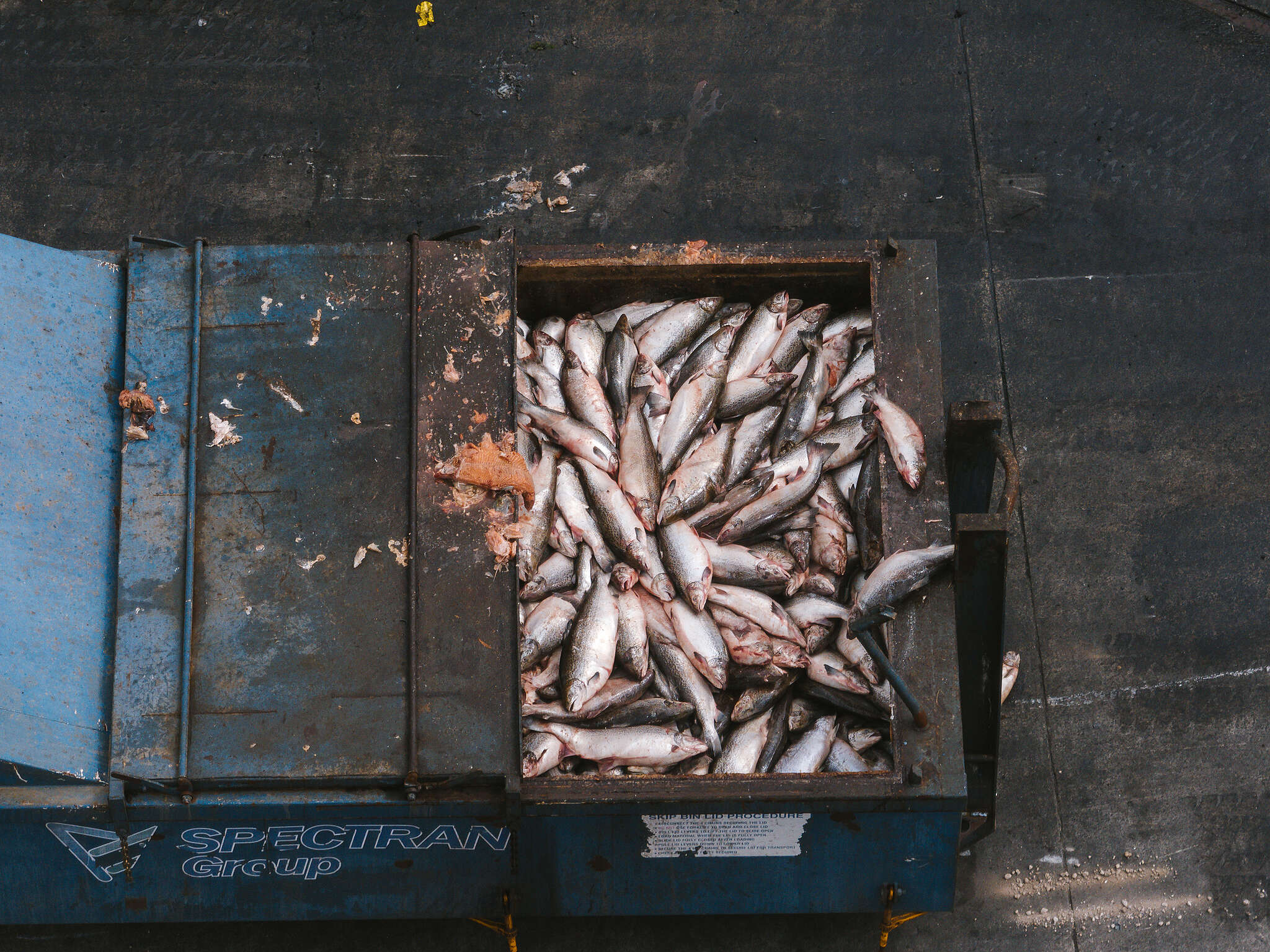
The Australian Pesticides and Veterinary Medicines Authority has revoked the emergency permit allowing florfenicol to be used in Tasmanian salmon farming. The decision follows residue detections in marine species outside farming areas and concerns about potential trade risks for Australia’s wild fisheries and seafood export markets.
-

APVMA Issues Show Cause On Florfenicol
New testing has detected traces of florfenicol in wild marine species more than 10 kilometres from salmon farms, prompting the APVMA to issue a show cause notice on the emergency permit. The findings raise fresh questions about containment, monitoring, and the use of antibiotics in open marine systems, with potential implications for wild fisheries, export…
-
The Fragility of Owls
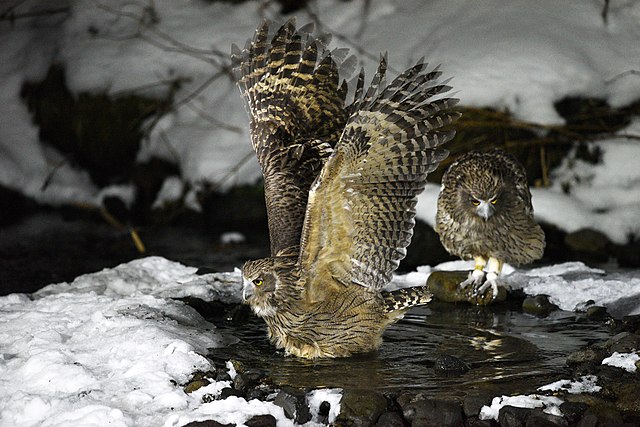
A reflection on Owls of the Eastern Ice and what rare owls like the Tasmanian Masked Owl reveal about habitat loss, conservation, and fragile survival on narrow margins.
-

Roadkill in Tasmania
Why is roadkill so common in Tasmania? A deep dive into government data, habitat fragmentation, traffic patterns and wildlife movement, and why overpopulation myths don’t explain what we’re seeing on our roads.
-
What Fire Takes From Us
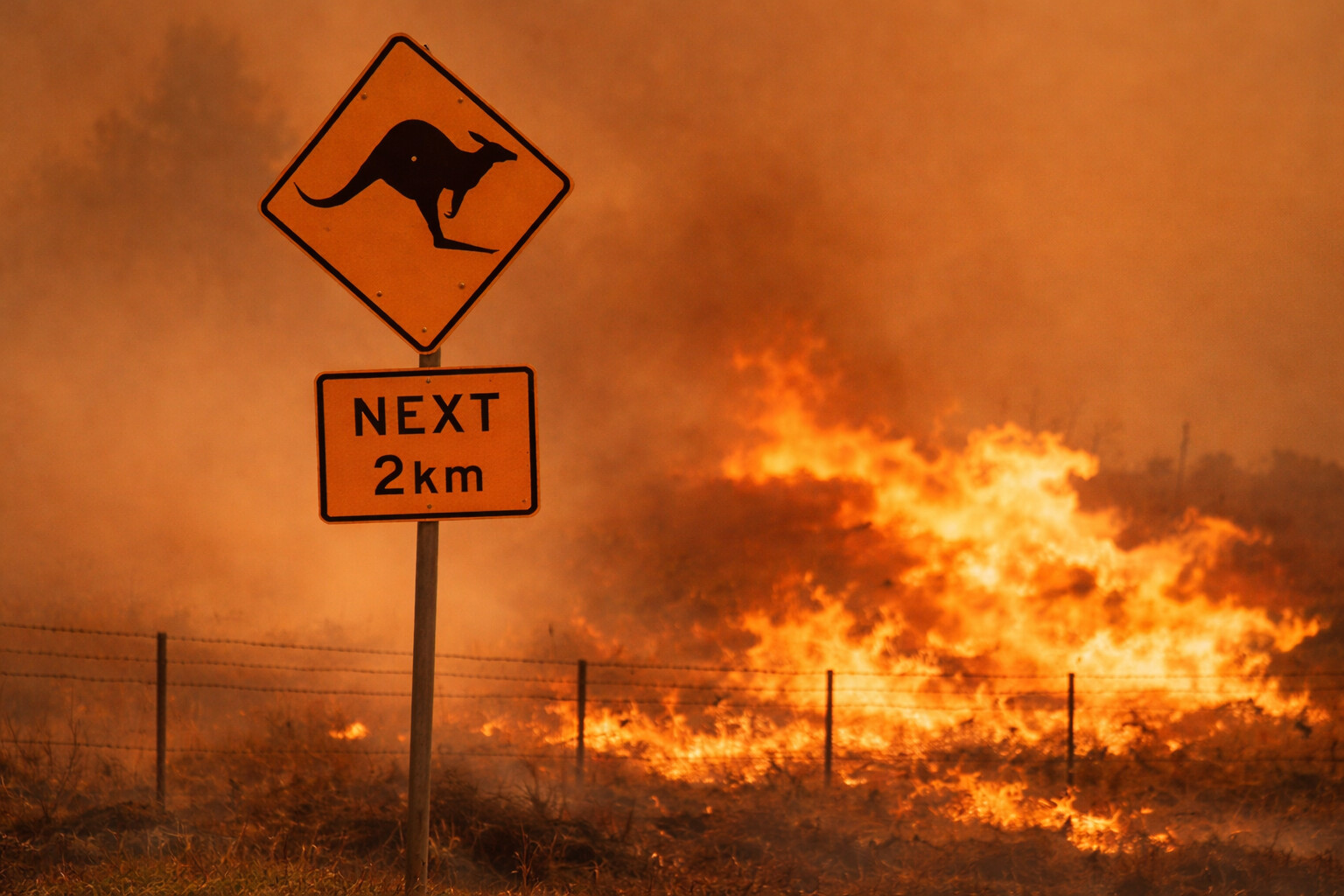
Bushfires take more than land and homes. They take refuge, safety, and lives that are often unseen. A reflection on wildlife loss, care, and responsibility during Australia’s fire seasons.
-
Lessons After the Last Thylacine
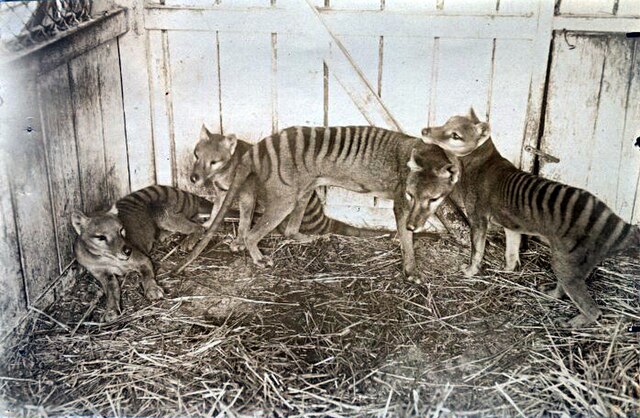
The loss of the Thylacine offers enduring lessons about extinction and delayed action. A reflective essay on what disappears long before the last animal does.
-

A Christmas Day Rescue
A Christmas Day call led to the rescue of a severely injured brushtail possum and her joey. This story reflects the difficult decisions wildlife rehabilitators face, and why slowing down and stopping for wildlife always matters.
-
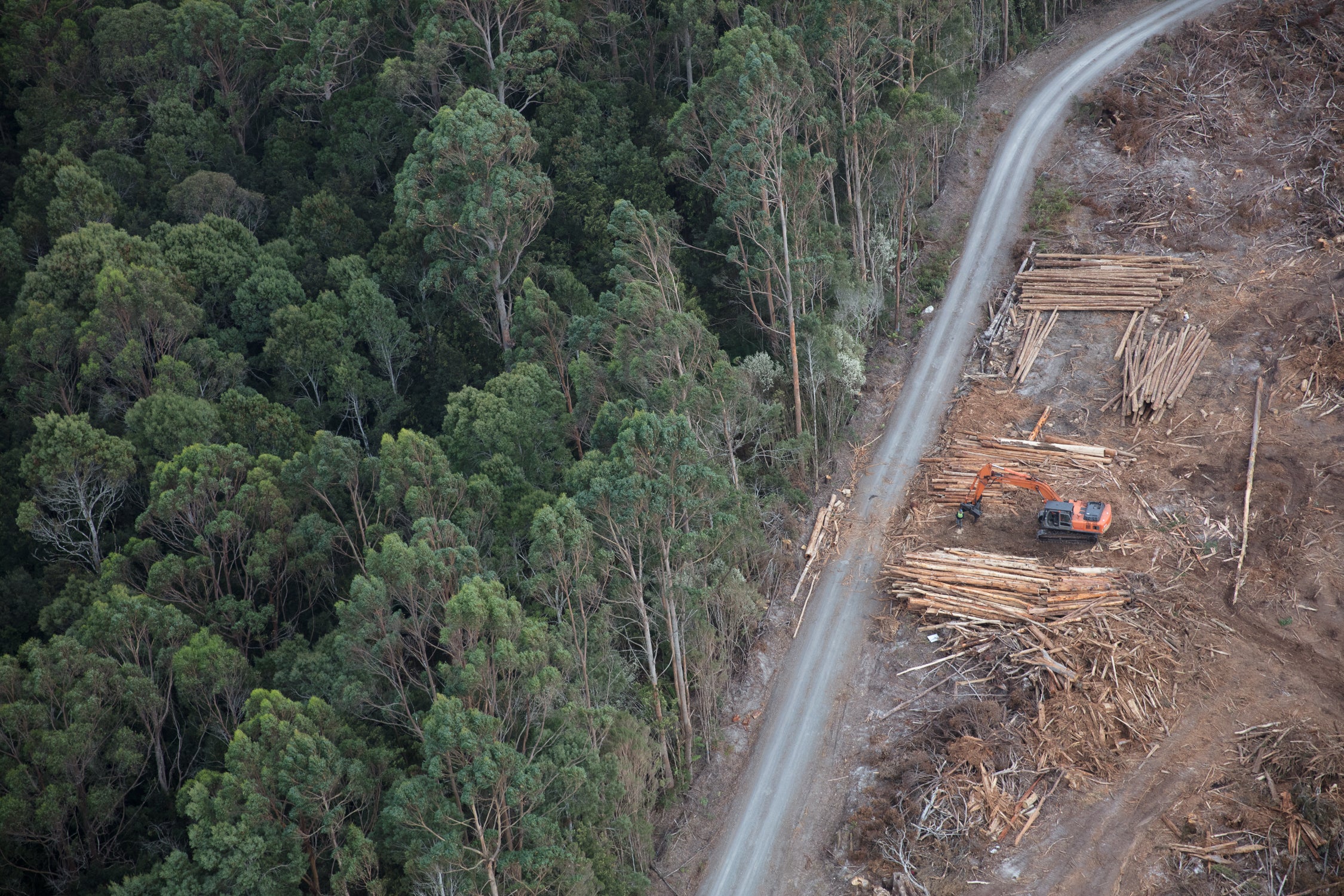
A Turning Point for the Environment
This week marks a significant moment in Australia’s environmental history, one that has left me feeling a mix of cautious hope, exhaustion, and that familiar weight in the chest that comes whenever politics finally intersects with the natural world. The federal government has struck a deal with the Greens to push through long-awaited environmental law…
-
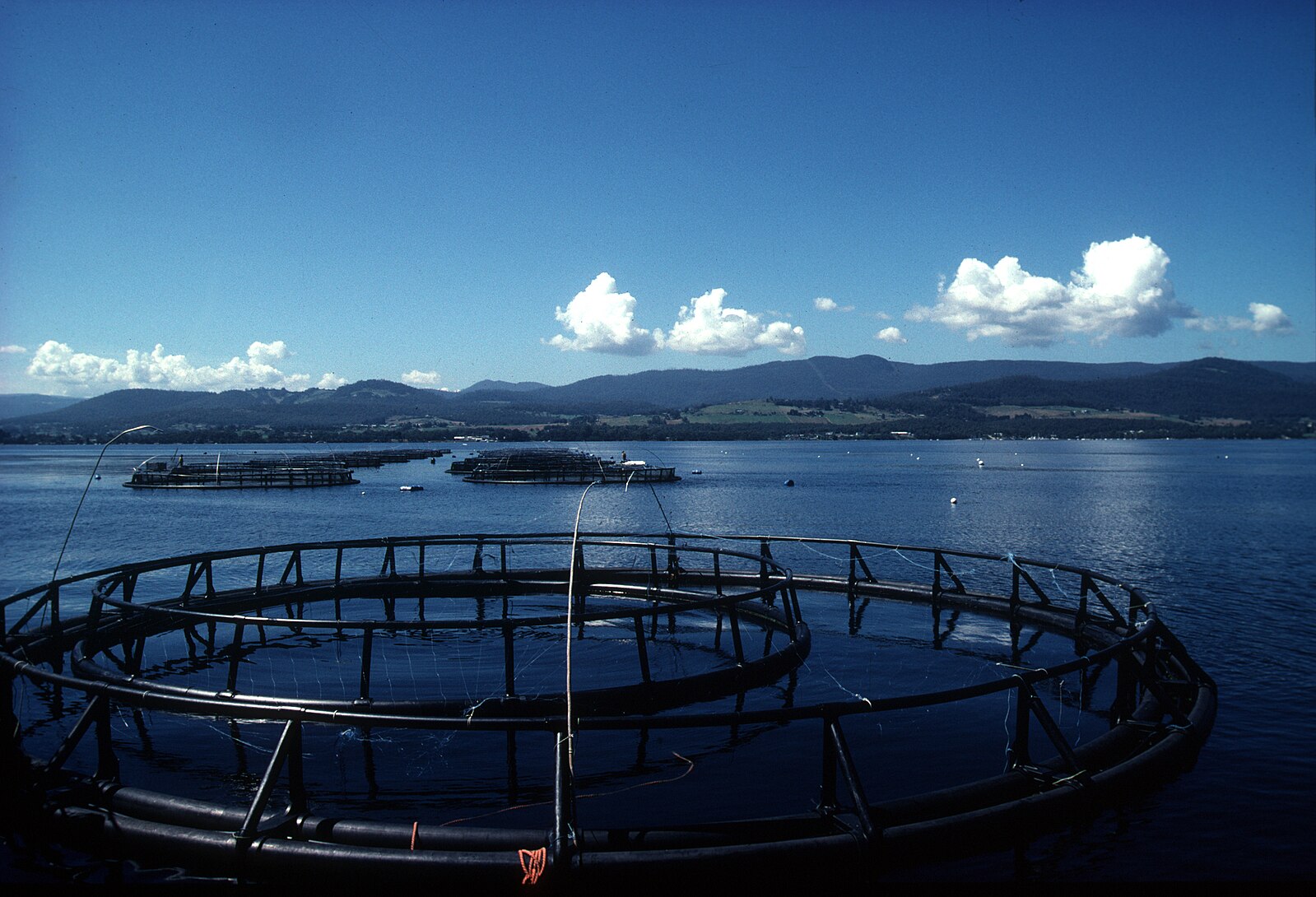
Florfenicol Under the Microscope
Florfenicol is a veterinary antibiotic belonging to the phenicol family, related to chloramphenicol and thiamphenicol but developed exclusively for animal use. It was designed to deliver broad-spectrum antibacterial protection while avoiding the toxic effects that limited its older relatives. Chemically, it’s a fluorinated analogue of thiamphenicol — a small change that makes it more stable…
-
1080 Poison in Tasmania
Tasmania remains one of the few Australian states that still permits the use of 1080 poison to control native browsing animals such as wallabies, pademelons, and possums. Applied through carrot baits under government-issued permits, the toxin is promoted as a last resort to protect agricultural land. But 1080 is far from selective. It is a…