
Tasmania
-

Sharing Tasmania’s Beaches With Nesting Shorebirds
Each spring, shorebirds nest along Tasmania’s beaches, where their camouflaged eggs and flightless chicks face threats from disturbance, predators and coastal activity. Meet four of Tasmania’s resident shorebird species, learn…
-
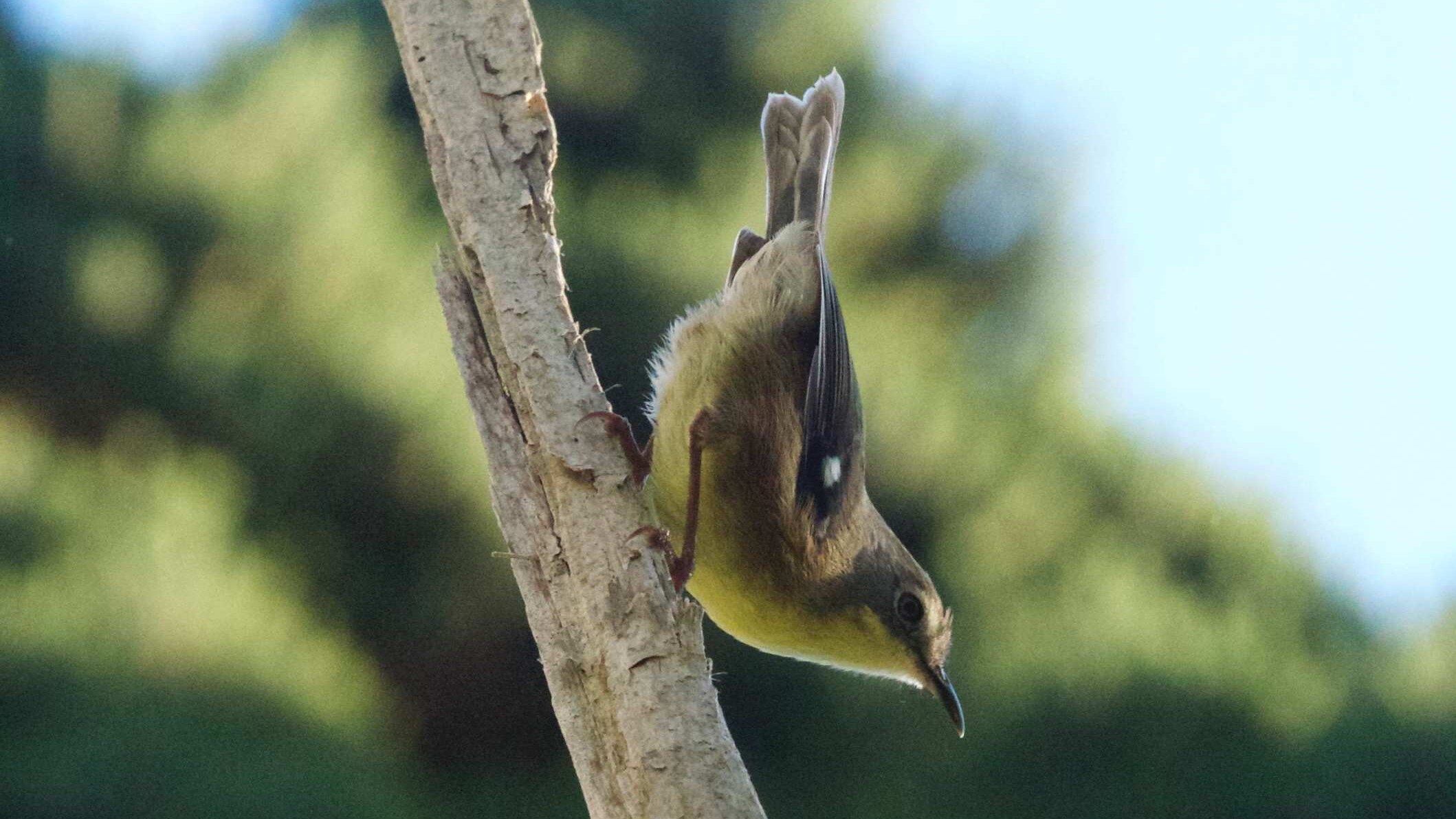
Boulder Wildlife Sanctuary Established on King Island
Australian Wildlife Conservancy has established Boulder Wildlife Sanctuary on King Island, its first conservation property in Tasmania. The 200 hectare sanctuary adjoins Lavinia State Reserve and protects habitat for the…
-

The Debate Over Sugar Gliders and Swift Parrots
For more than a decade, introduced sugar gliders have been considered a major threat to Tasmania’s critically endangered swift parrot. New field research is now adding another layer to the…
-
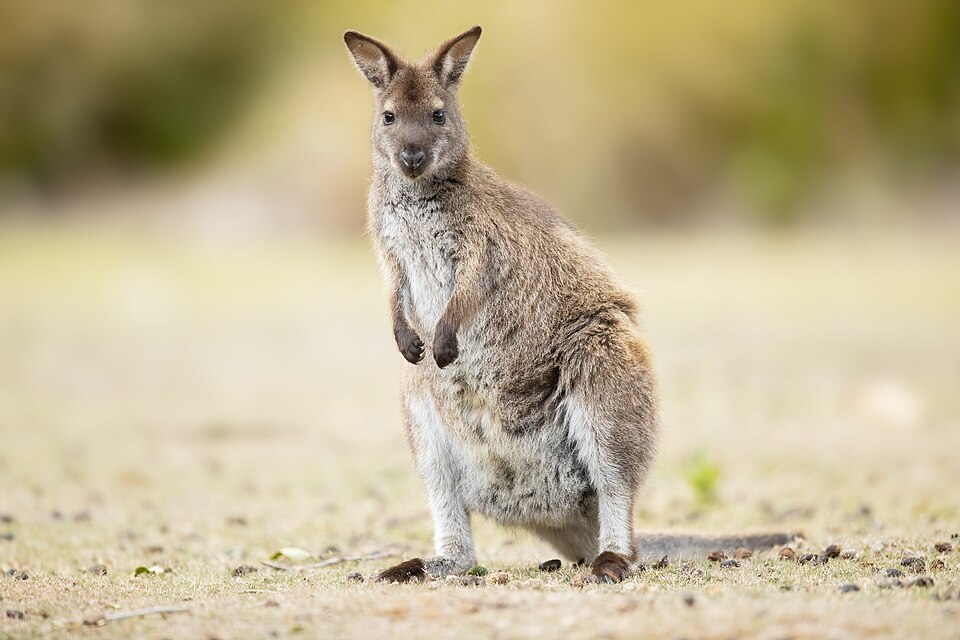
Is It Okay to Feed Wild Animals?
Most people who feed wildlife do so because they care. But could that act of kindness do more harm than good? Discover why wildlife experts discourage feeding wild animals and…
-
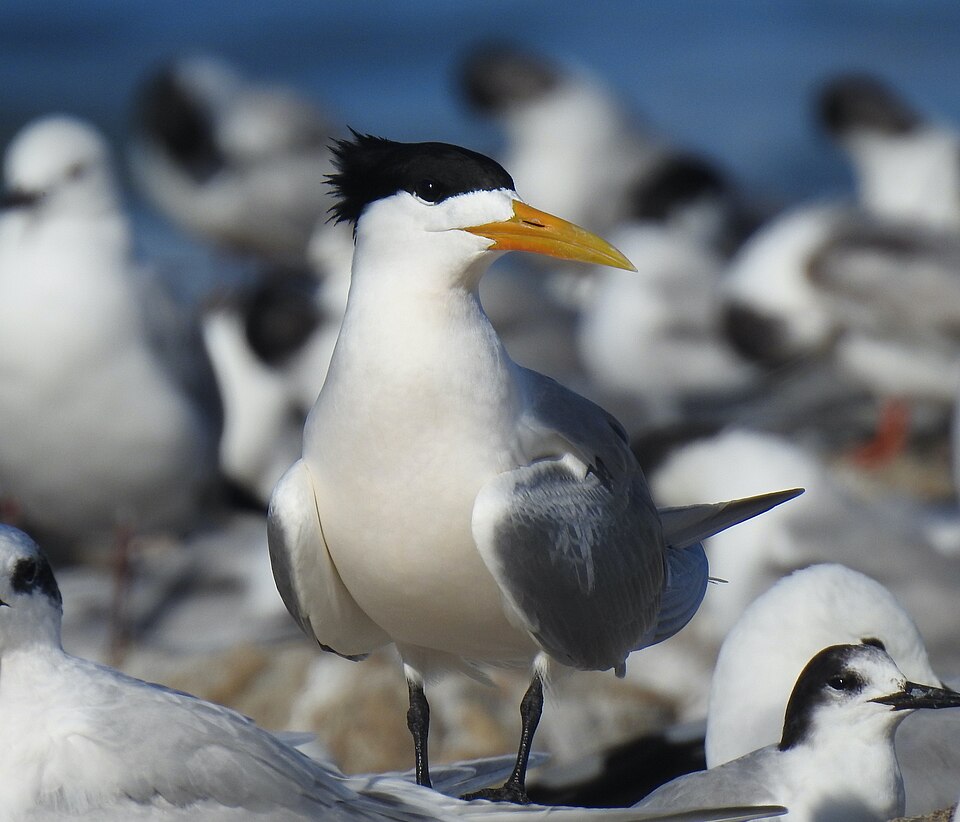
H5N1 Bird Flu Australia Timeline
Follow Australia’s H5N1 bird flu outbreak through a detailed, continually updated timeline documenting confirmed detections, surveillance efforts and major developments. From the first suspected mainland case to the spread across…
-
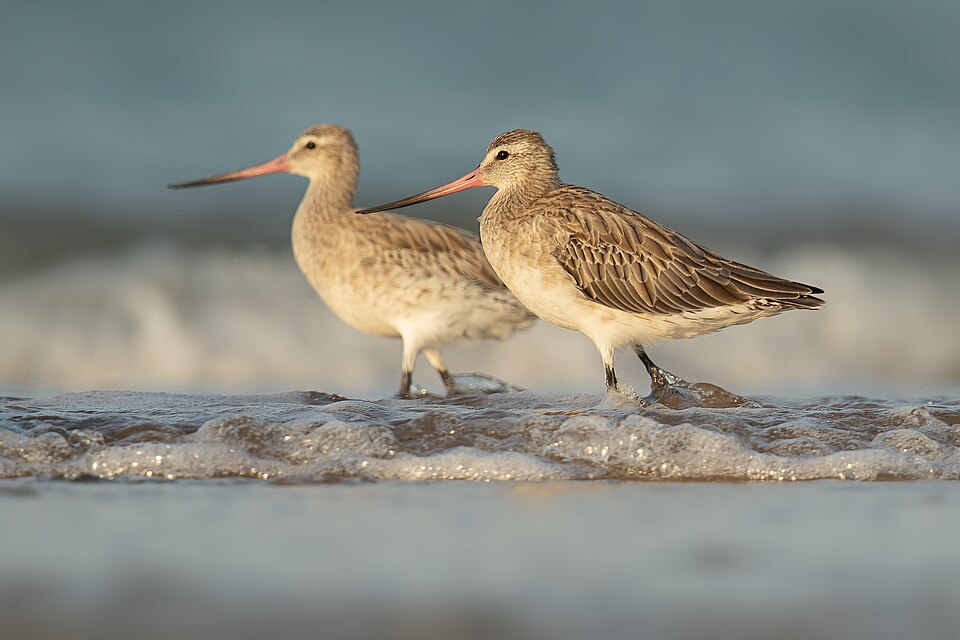
The Greatest Journey on Earth
Every year, Bar-tailed Godwits undertake one of the world’s greatest migrations, flying from Alaska to Tasmania across the Pacific Ocean. Discover the science behind their incredible journey, the East Asian…
-
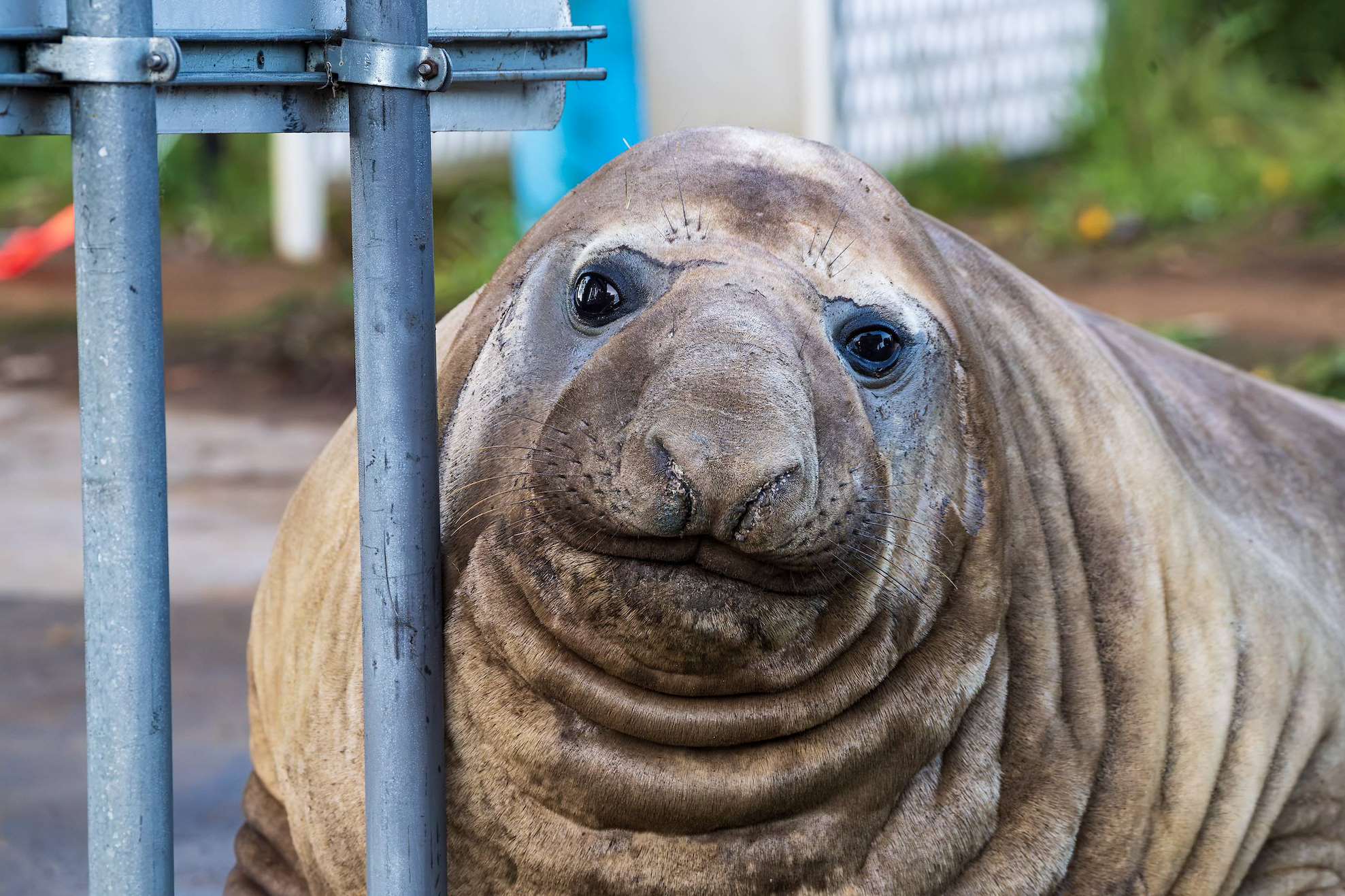
Who is Neil the Elephant Seal?
Neil the Seal has captured hearts around the world, but there is much more to his story than viral headlines. Discover who Neil is, why he keeps returning to Tasmania,…
-
Australian Mammals at Risk from H5N1 Bird Flu
The arrival of H5N1 bird flu in Australia has raised new questions for wildlife conservation. While the virus primarily affects birds, native mammals may also face risks. Discover which Australian…
-

A Practical Guide to Possum Nest Boxes
A practical guide to possum nest boxes, including nest box design, installation advice, maintenance tips and build plans suitable for brushtail and ringtail possums.
-
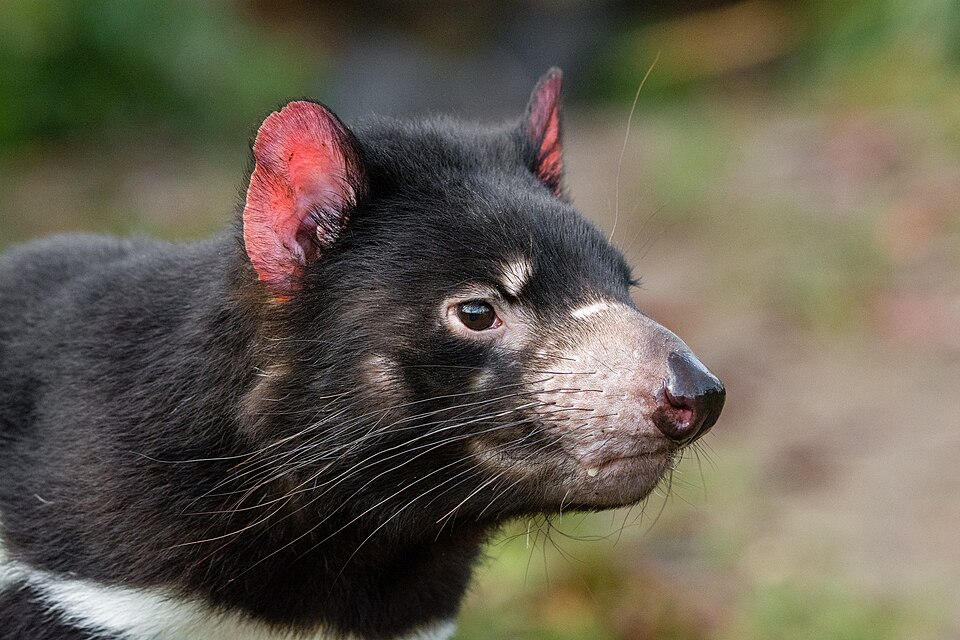
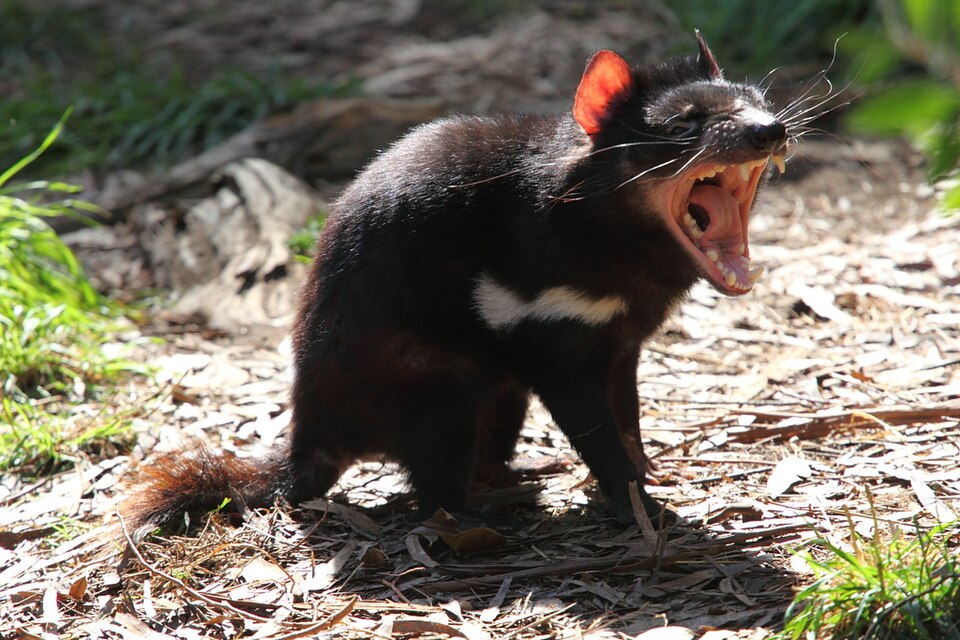
Missing Tasmanian Devil Sparks National Interest
When a young Tasmanian devil named Mary escaped from Paradise Country on the Gold Coast, she quickly became one of Australia’s most talked about wildlife stories. Behind the memes and…
-

Platypus Returned to the Wild
A juvenile platypus is returned to the wild after rescue and care, a quiet moment that reflects both the reality and the rare rewards of wildlife rescue in Tasmania.
-
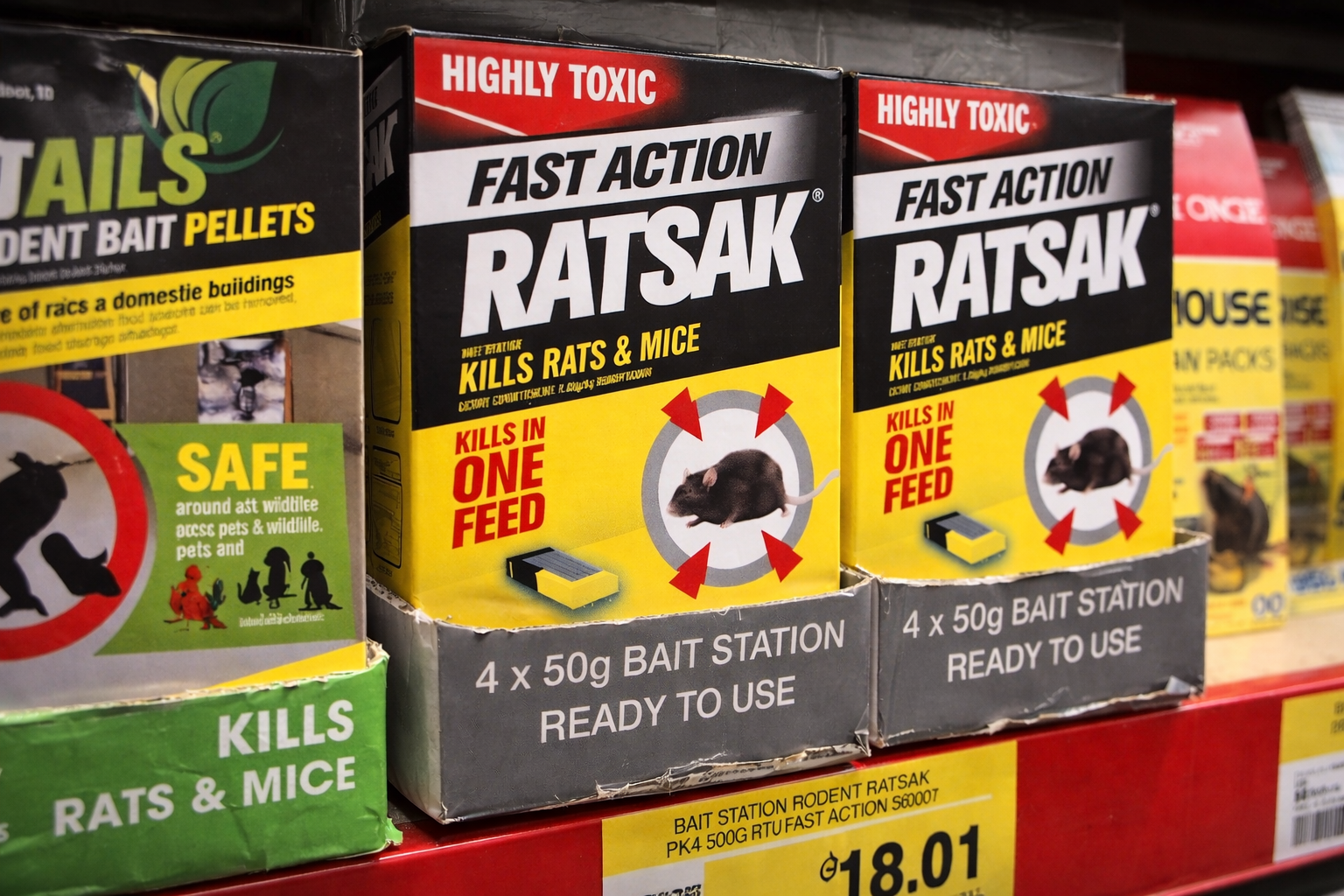
Regulator Moves To Restrict SGAR Rat Poisons
Australia’s chemical regulator has warned that some rat poisons pose unacceptable risks to wildlife. The APVMA is moving to restrict second generation anticoagulant rodenticides used in pest control.
-
APVMA Revokes Florfenicol Emergency Permit
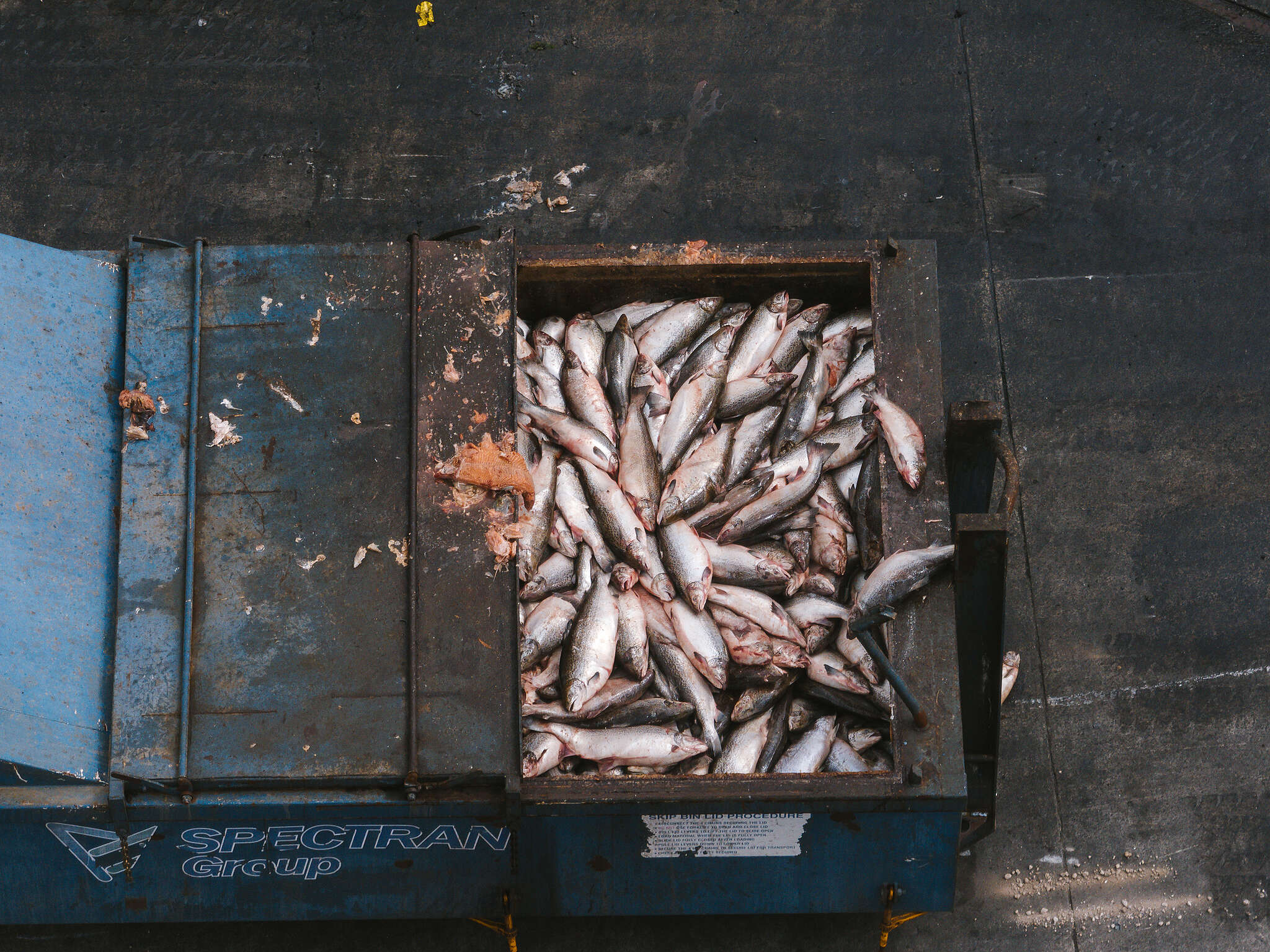
The Australian Pesticides and Veterinary Medicines Authority has revoked the emergency permit allowing florfenicol to be used in Tasmanian salmon farming. The decision follows residue detections in marine species outside…
-

APVMA Issues Show Cause On Florfenicol
New testing has detected traces of florfenicol in wild marine species more than 10 kilometres from salmon farms, prompting the APVMA to issue a show cause notice on the emergency…
-
The Fragility of Owls
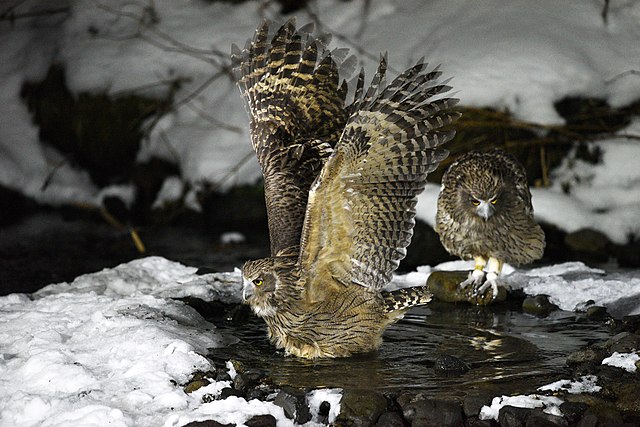
A reflection on Owls of the Eastern Ice and what rare owls like the Tasmanian Masked Owl reveal about habitat loss, conservation, and fragile survival on narrow margins.
-
Roadkill in Tasmania
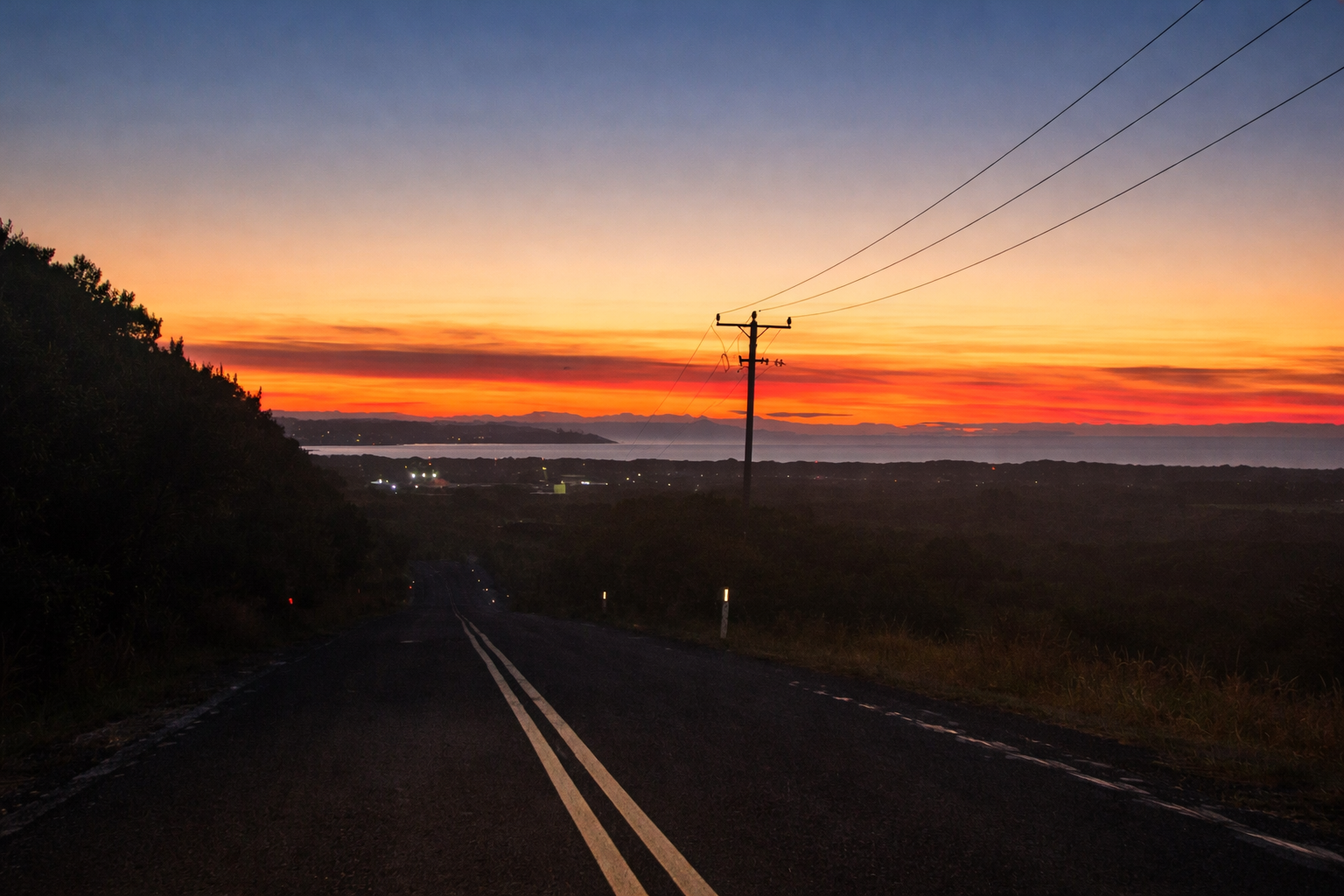
Why is roadkill so common in Tasmania? A deep dive into government data, habitat fragmentation, traffic patterns and wildlife movement, and why overpopulation myths don’t explain what we’re seeing on…
-
What Fire Takes From Us
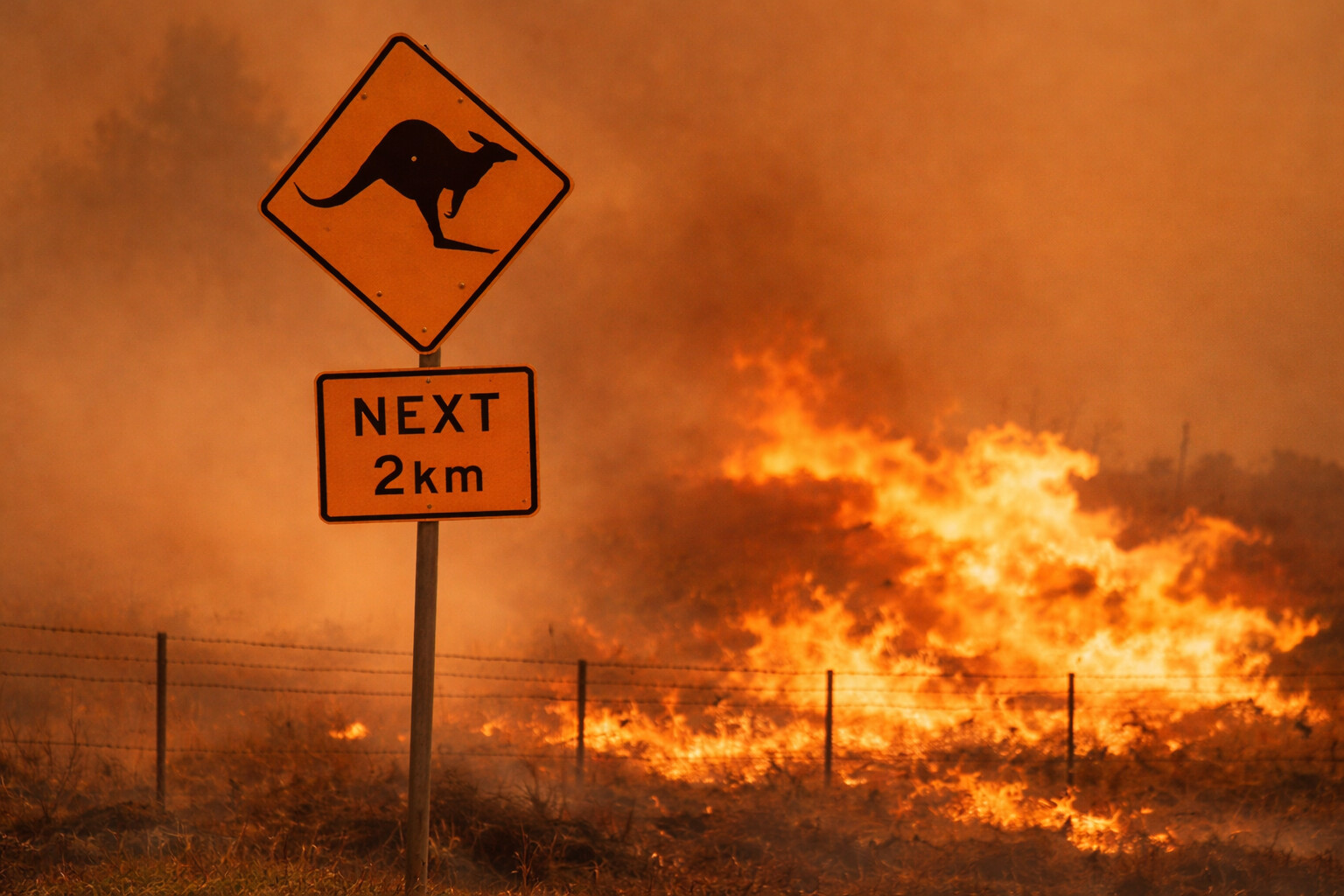
Bushfires take more than land and homes. They take refuge, safety, and lives that are often unseen. A reflection on wildlife loss, care, and responsibility during Australia’s fire seasons.
-
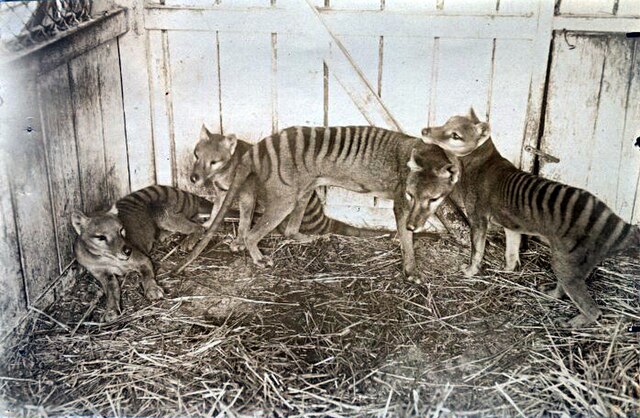
Lessons After the Last Thylacine
The loss of the Thylacine offers enduring lessons about extinction and delayed action. A reflective essay on what disappears long before the last animal does.
-

A Christmas Day Rescue
A Christmas Day call led to the rescue of a severely injured brushtail possum and her joey. This story reflects the difficult decisions wildlife rehabilitators face, and why slowing down…
-
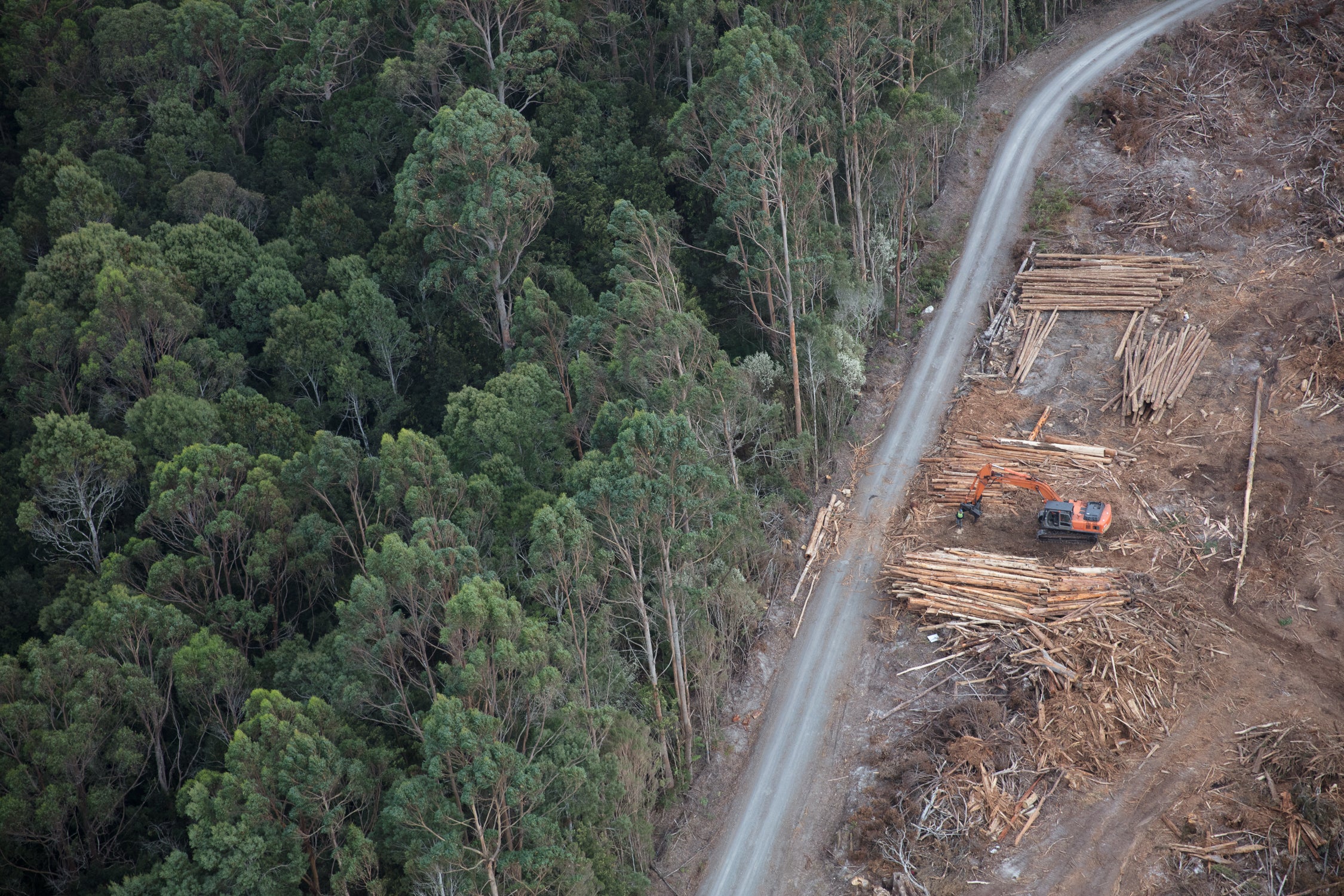
A Turning Point for the Environment
This week marks a significant moment in Australia’s environmental history, one that has left me feeling a mix of cautious hope, exhaustion, and that familiar weight in the chest that…
-
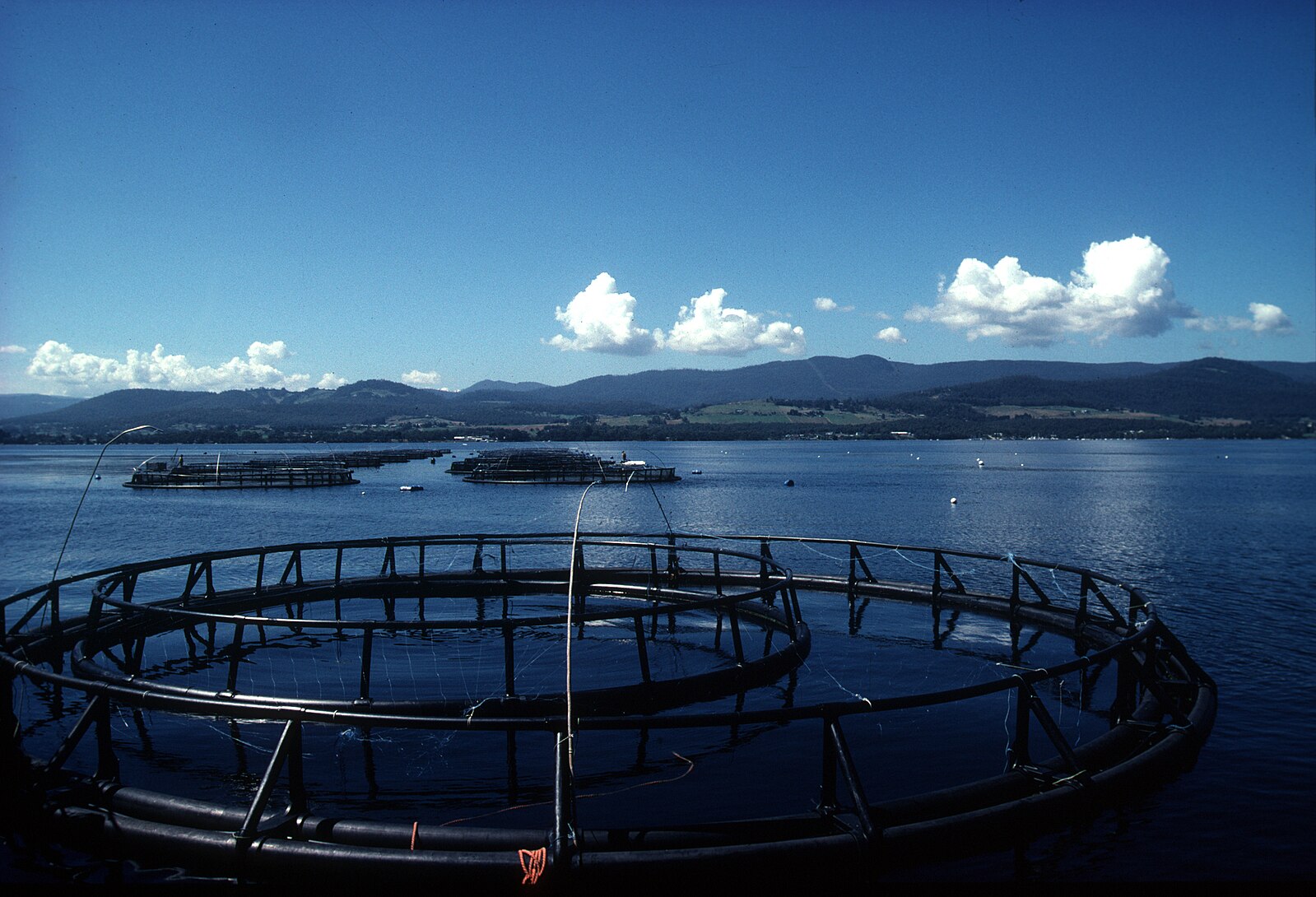
Florfenicol Under the Microscope
Florfenicol is a veterinary antibiotic belonging to the phenicol family, related to chloramphenicol and thiamphenicol but developed exclusively for animal use. It was designed to deliver broad-spectrum antibacterial protection while…

Wildlife News, Conservation and Education in Tasmania
Explore
Need Help With Wildlife?
Found injured or orphaned wildlife in Tasmania? Contact Bonorong Wildlife Rescue on 0447 264 625, 24 hours a day.
© 2026 Wild Island. All rights reserved.