
Wildlife Conservation
Wildlife conservation protects species, habitats and the ecosystems they depend on. Explore conservation issues, research and projects from Tasmania and across Australia, including the threats facing native wildlife and the work being done to protect it.
-
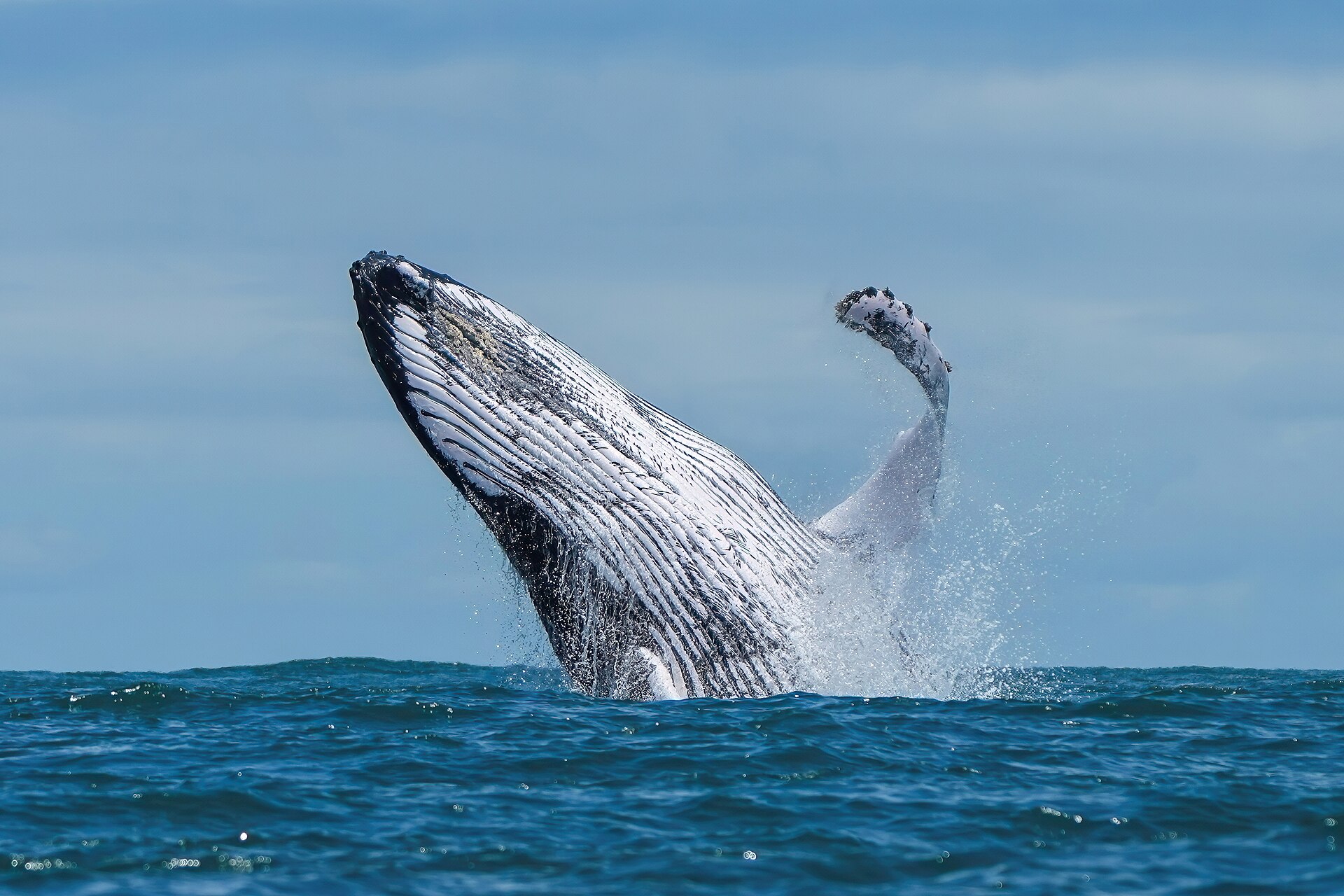
Australia Joins the High Seas Biodiversity Treaty
Australia has formally ratified the High Seas Biodiversity Treaty, joining a global agreement designed to protect marine life beyond national borders. With Australia also releasing its first Sustainable Ocean Plan,…
-

The Debate Over Sugar Gliders and Swift Parrots
For more than a decade, introduced sugar gliders have been considered a major threat to Tasmania’s critically endangered swift parrot. New field research is now adding another layer to the…
-
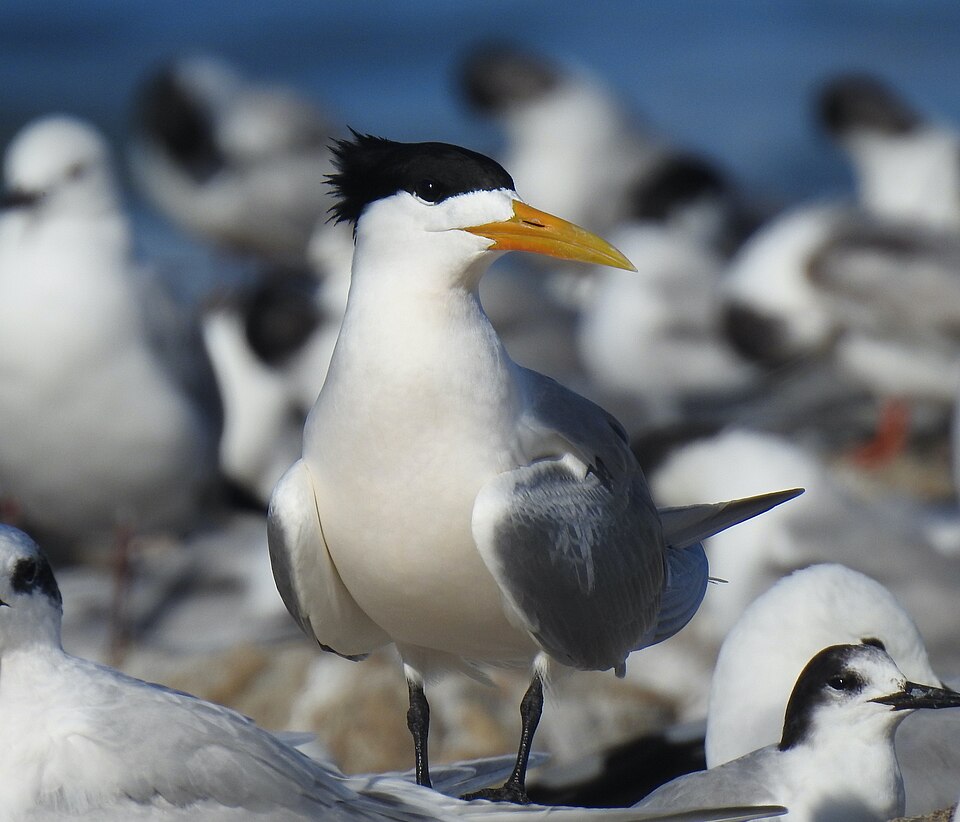
H5N1 Bird Flu Australia Timeline
Follow Australia’s H5N1 bird flu outbreak through a detailed, continually updated timeline documenting confirmed detections, surveillance efforts and major developments. From the first suspected mainland case to the spread across…
-
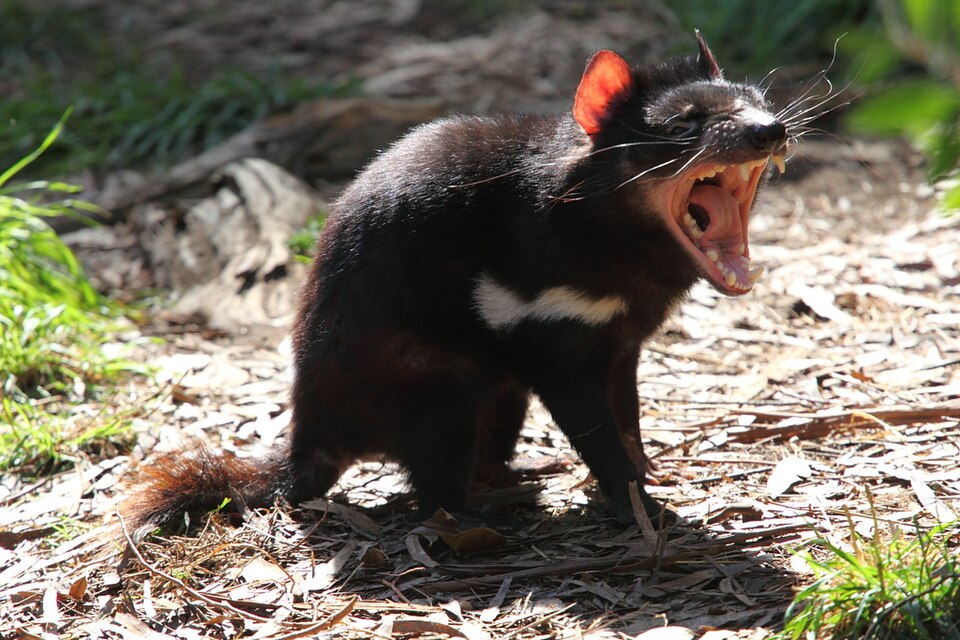
Australian Mammals at Risk from H5N1 Bird Flu
The arrival of H5N1 bird flu in Australia has raised new questions for wildlife conservation. While the virus primarily affects birds, native mammals may also face risks. Discover which Australian…
-
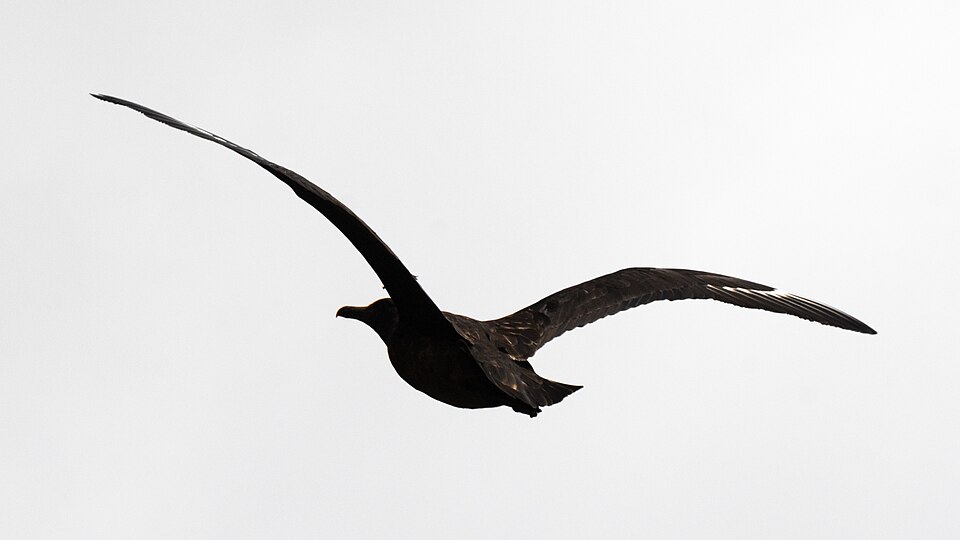
H5N1 Bird Flu Confirmed in Australia
H5N1 bird flu has now been confirmed in Western Australia and South Australia, marking a significant moment in Australia’s biosecurity history. Follow the latest developments, wildlife impacts and conservation concerns…
-
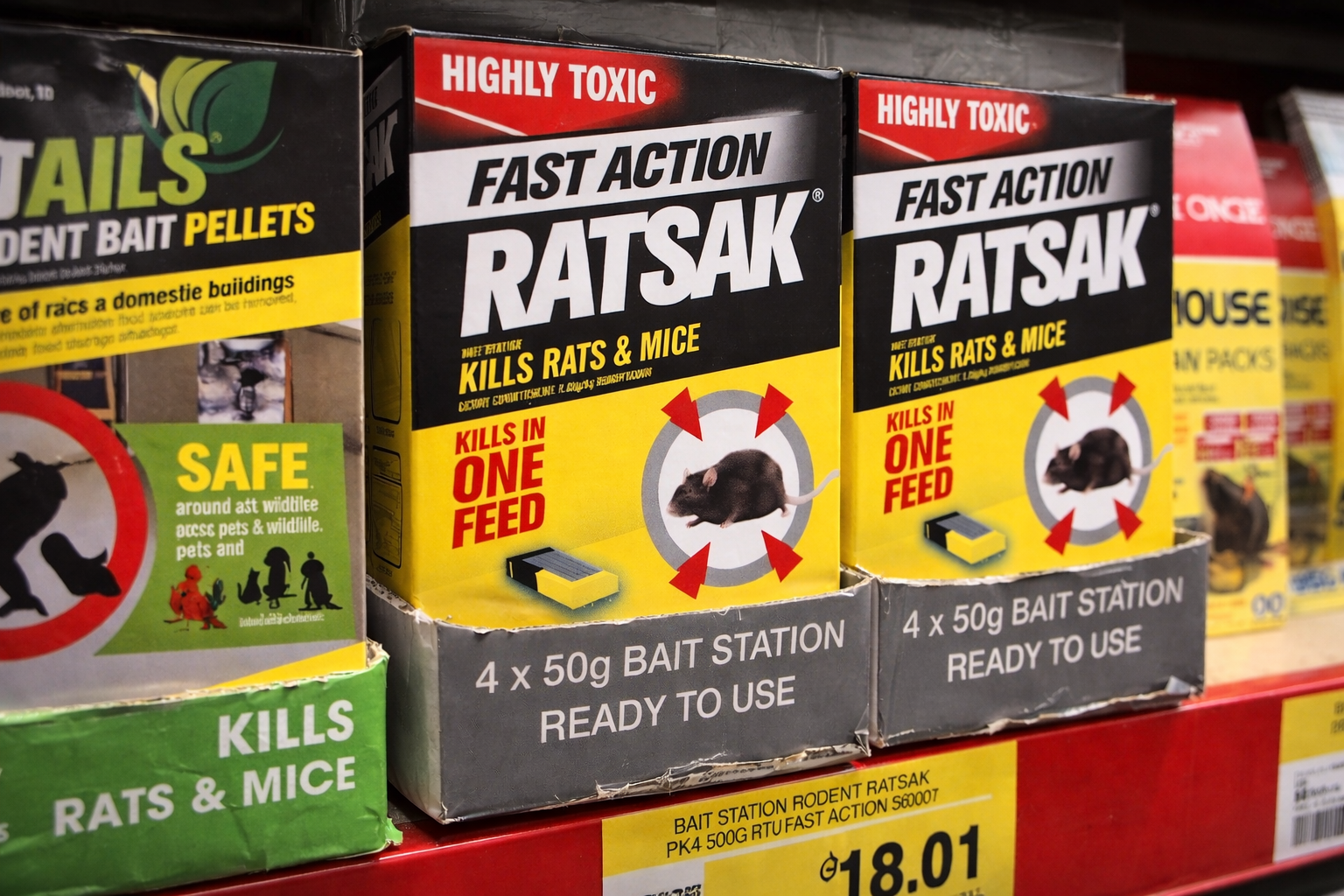
Regulator Moves To Restrict SGAR Rat Poisons
Australia’s chemical regulator has warned that some rat poisons pose unacceptable risks to wildlife. The APVMA is moving to restrict second generation anticoagulant rodenticides used in pest control.
-
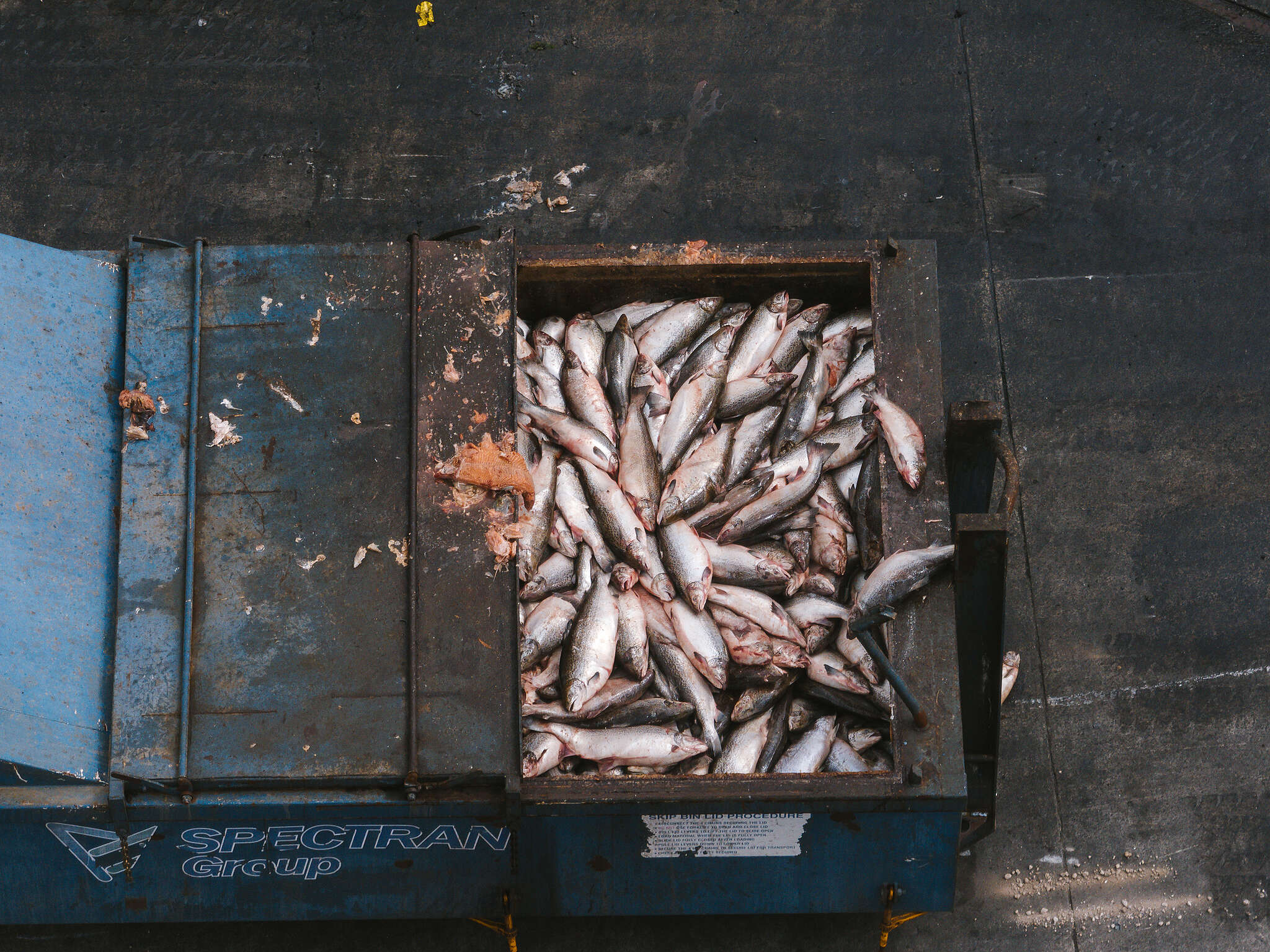
APVMA Revokes Florfenicol Emergency Permit
The Australian Pesticides and Veterinary Medicines Authority has revoked the emergency permit allowing florfenicol to be used in Tasmanian salmon farming. The decision follows residue detections in marine species outside…
-

APVMA Issues Show Cause On Florfenicol
New testing has detected traces of florfenicol in wild marine species more than 10 kilometres from salmon farms, prompting the APVMA to issue a show cause notice on the emergency…
-
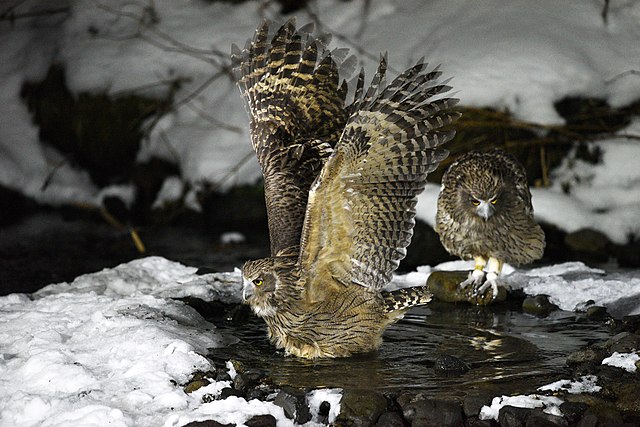
The Fragility of Owls
A reflection on Owls of the Eastern Ice and what rare owls like the Tasmanian Masked Owl reveal about habitat loss, conservation, and fragile survival on narrow margins.
-
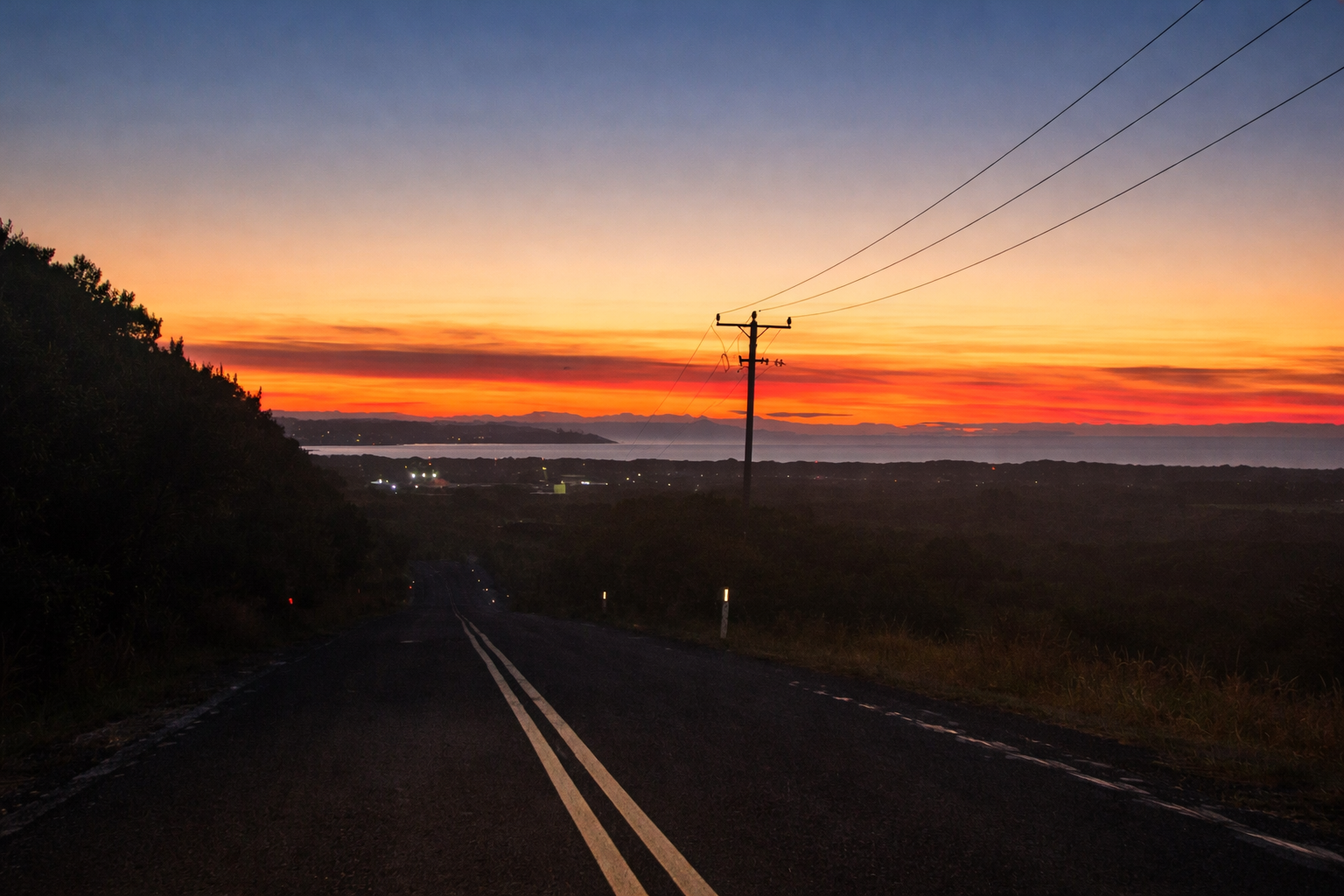
Roadkill in Tasmania
Why is roadkill so common in Tasmania? A deep dive into government data, habitat fragmentation, traffic patterns and wildlife movement, and why overpopulation myths don’t explain what we’re seeing on…



Wildlife rescue, care, and advocacy in Tasmania.
Wildlife Rescue
Need Help With Wildlife?
Found injured or orphaned wildlife in Tasmania? Contact Bonorong Wildlife Rescue on 0447 264 625, 24 hours a day.
© 2026 Wild Island Rescue & Rehabilitation