
Wildlife
-
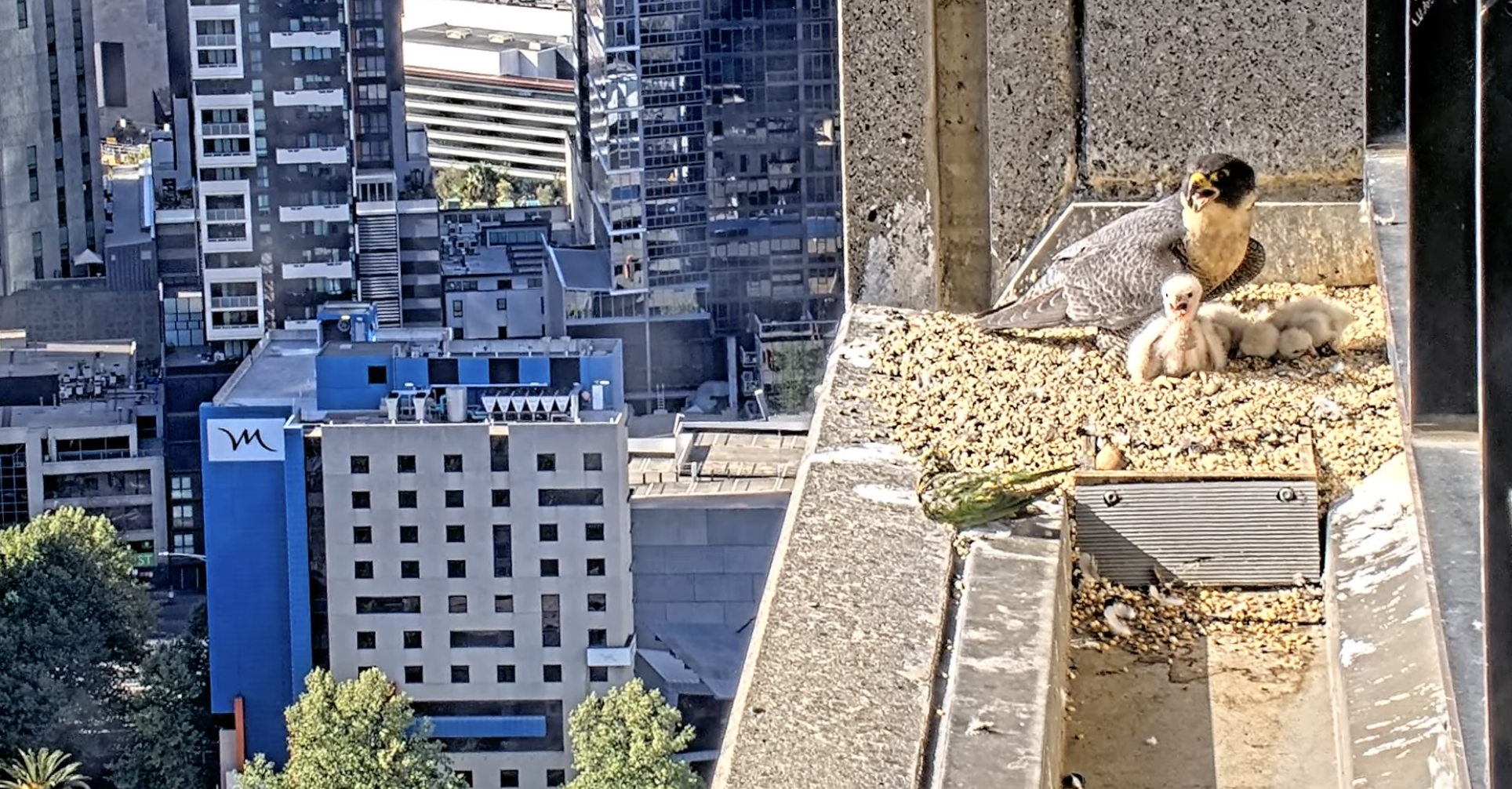
Four Peregrine Falcon Chicks Hatch Above Melbourne
Four peregrine falcon chicks have hatched at Melbourne’s Collins Street nesting site, attracting viewers following the breeding season through a live camera. The arrival comes as H5 avian influenza continues…
-

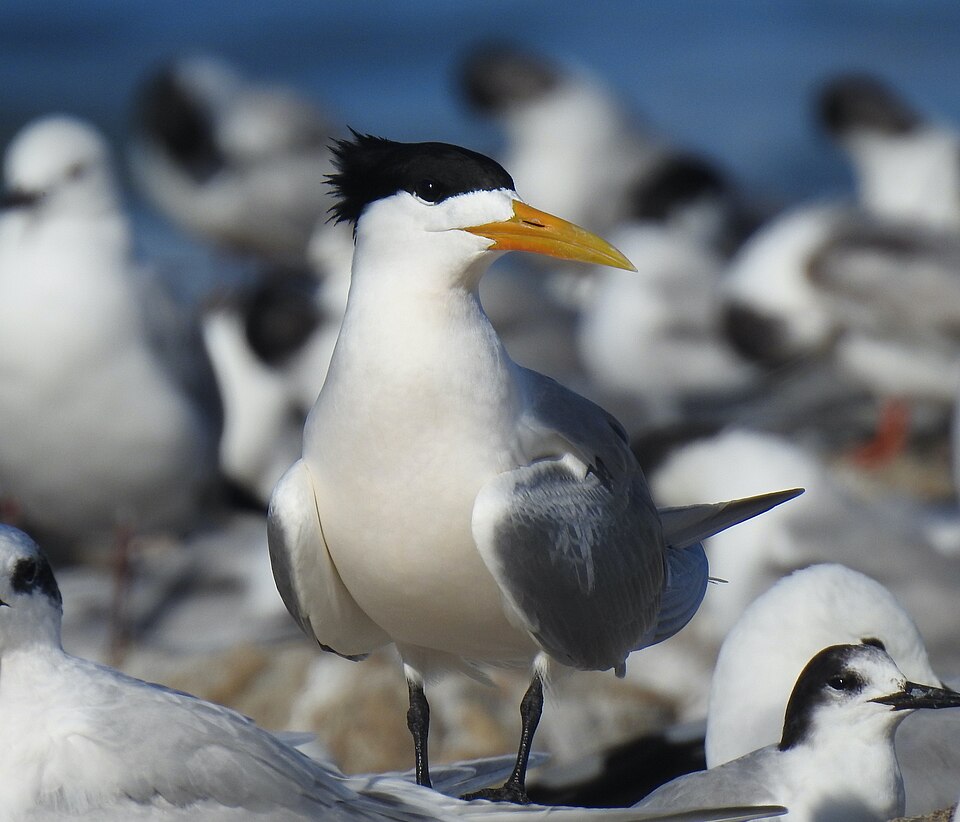
Sharing Tasmania’s Beaches With Nesting Shorebirds
Each spring, shorebirds nest along Tasmania’s beaches, where their camouflaged eggs and flightless chicks face threats from disturbance, predators and coastal activity. Meet four of Tasmania’s resident shorebird species, learn…
-
Boulder Wildlife Sanctuary Established on King Island
Australian Wildlife Conservancy has established Boulder Wildlife Sanctuary on King Island, its first conservation property in Tasmania. The 200 hectare sanctuary adjoins Lavinia State Reserve and protects habitat for the…
-

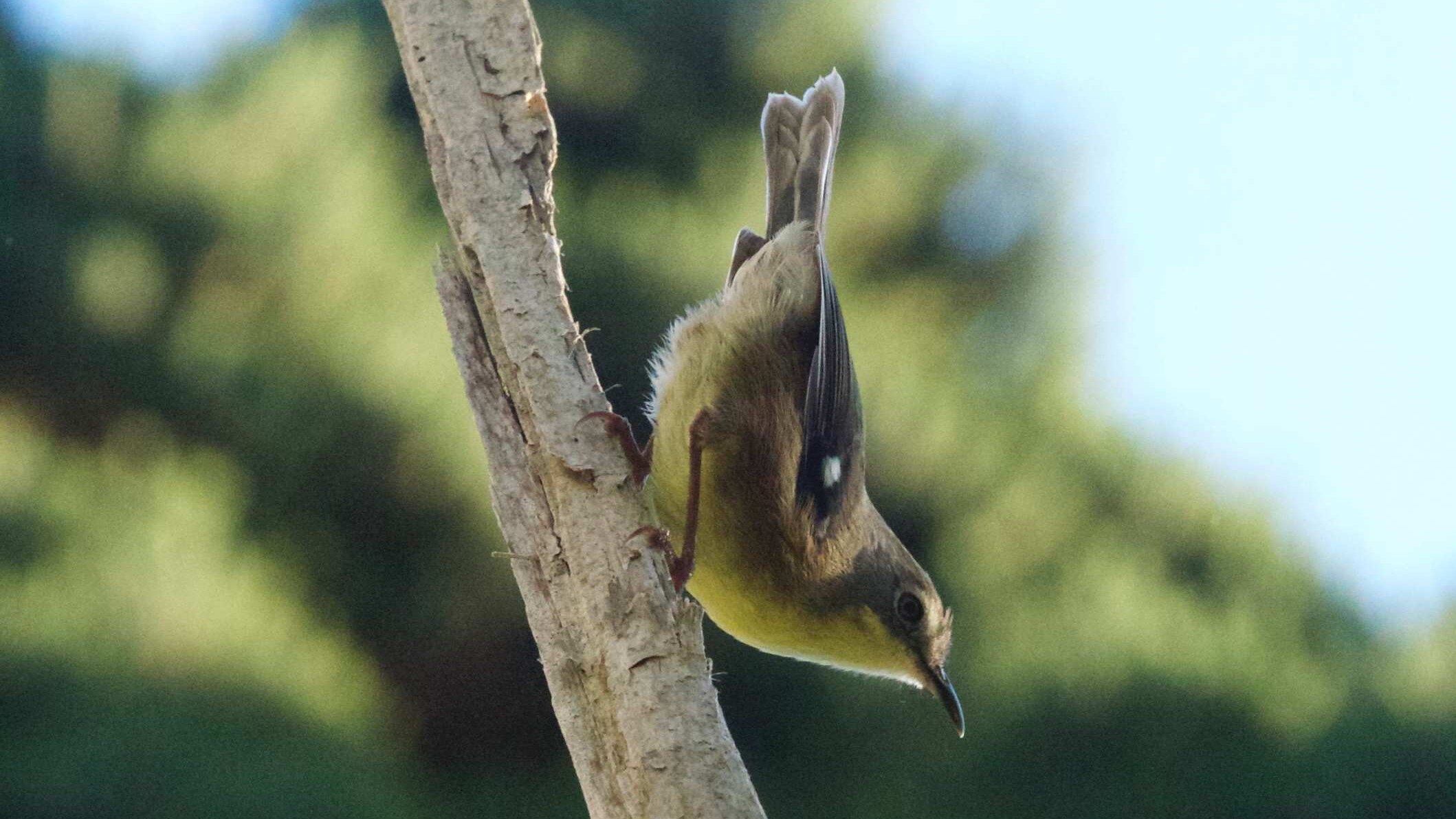
The Debate Over Sugar Gliders and Swift Parrots
For more than a decade, introduced sugar gliders have been considered a major threat to Tasmania’s critically endangered swift parrot. New field research is now adding another layer to the…
-
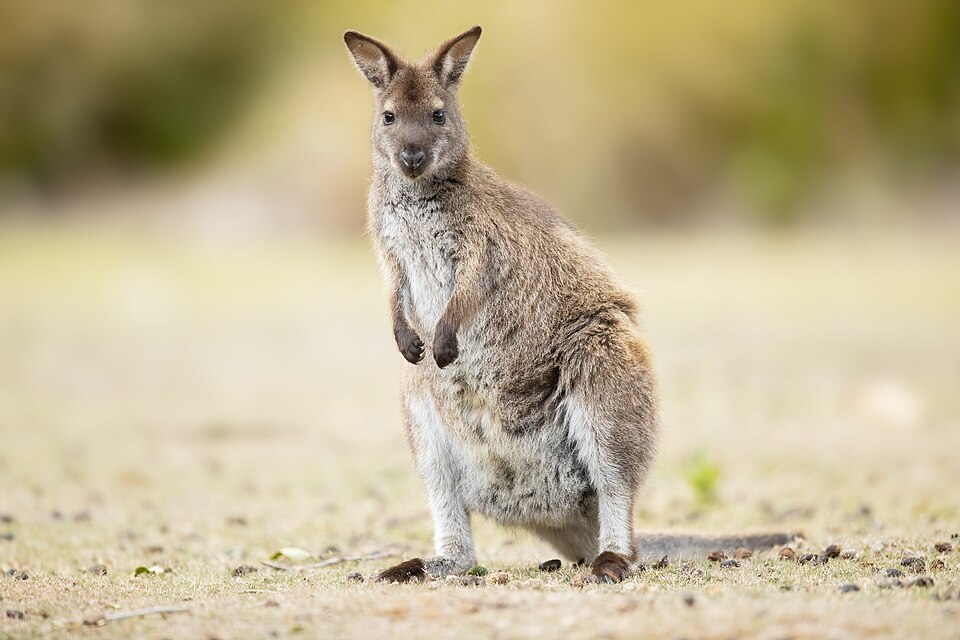
Is It Okay to Feed Wild Animals?
Most people who feed wildlife do so because they care. But could that act of kindness do more harm than good? Discover why wildlife experts discourage feeding wild animals and…
-
H5N1 Bird Flu Australia Timeline
Follow Australia’s H5N1 bird flu outbreak through a detailed, continually updated timeline documenting confirmed detections, surveillance efforts and major developments. From the first suspected mainland case to the spread across…
-
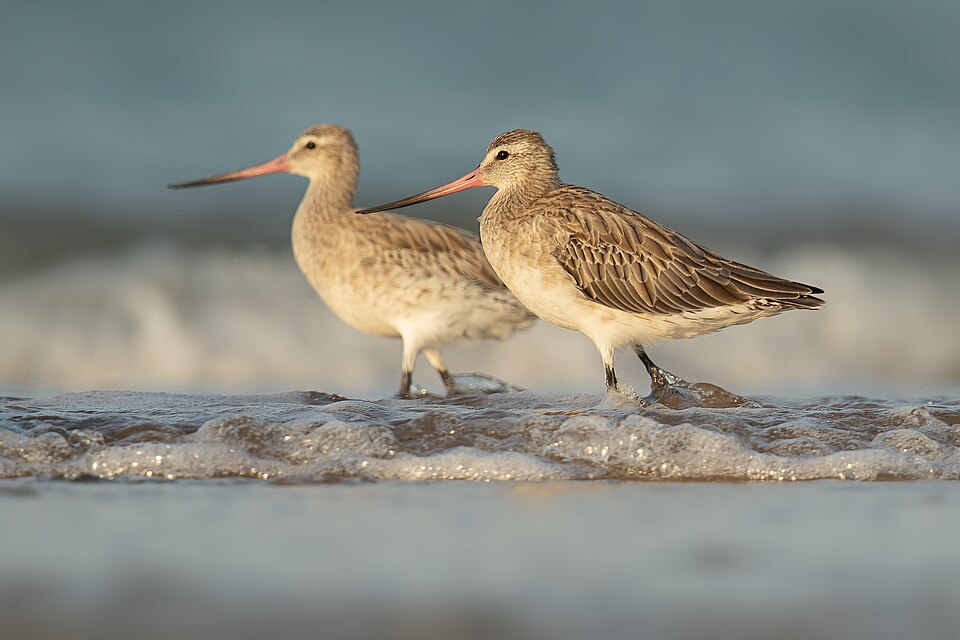
The Greatest Journey on Earth
Every year, Bar-tailed Godwits undertake one of the world’s greatest migrations, flying from Alaska to Tasmania across the Pacific Ocean. Discover the science behind their incredible journey, the East Asian…
-
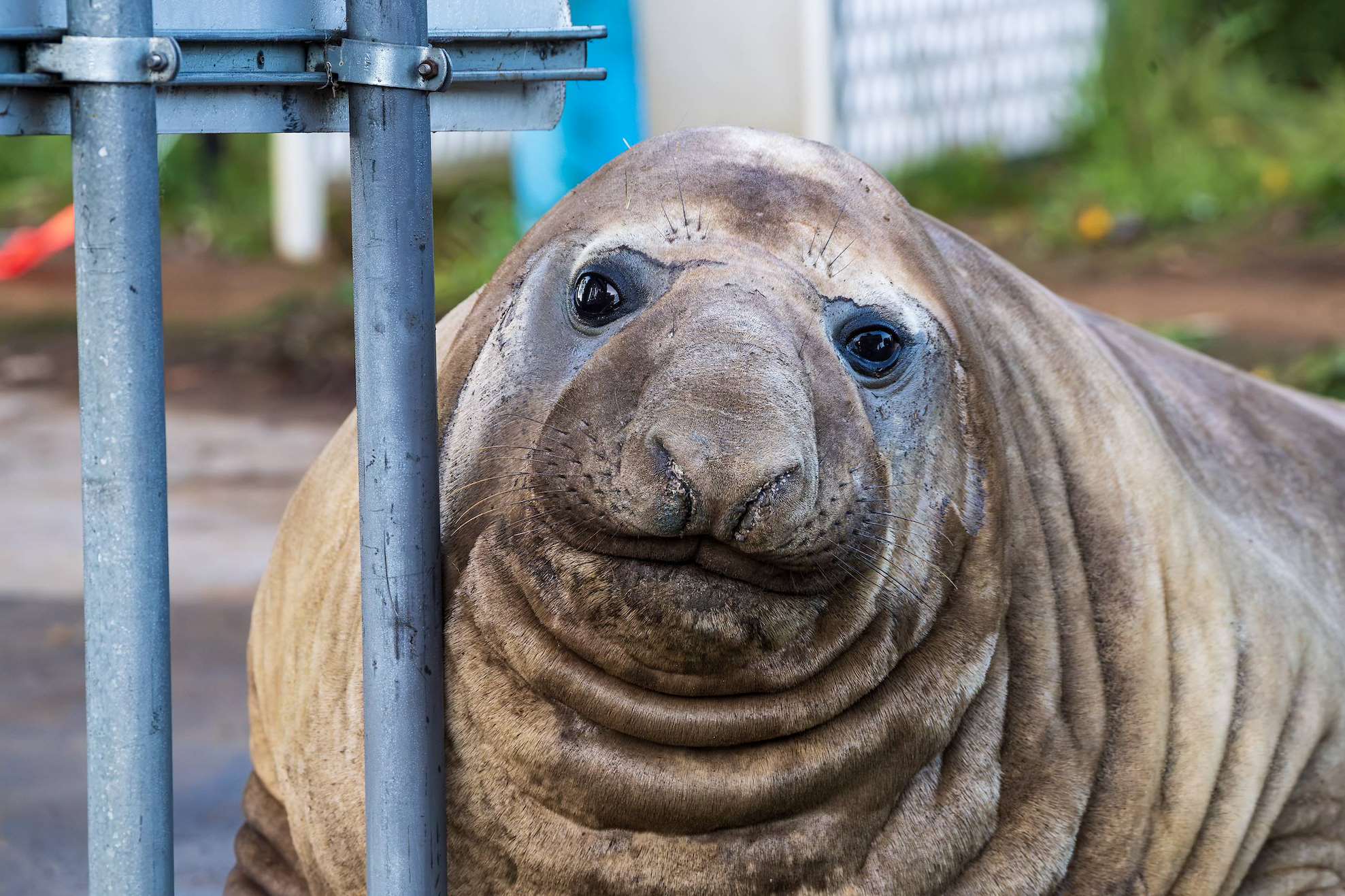
Who is Neil the Elephant Seal?
Neil the Seal has captured hearts around the world, but there is much more to his story than viral headlines. Discover who Neil is, why he keeps returning to Tasmania,…
-

Platypus Returned to the Wild
A juvenile platypus is returned to the wild after rescue and care, a quiet moment that reflects both the reality and the rare rewards of wildlife rescue in Tasmania.
-
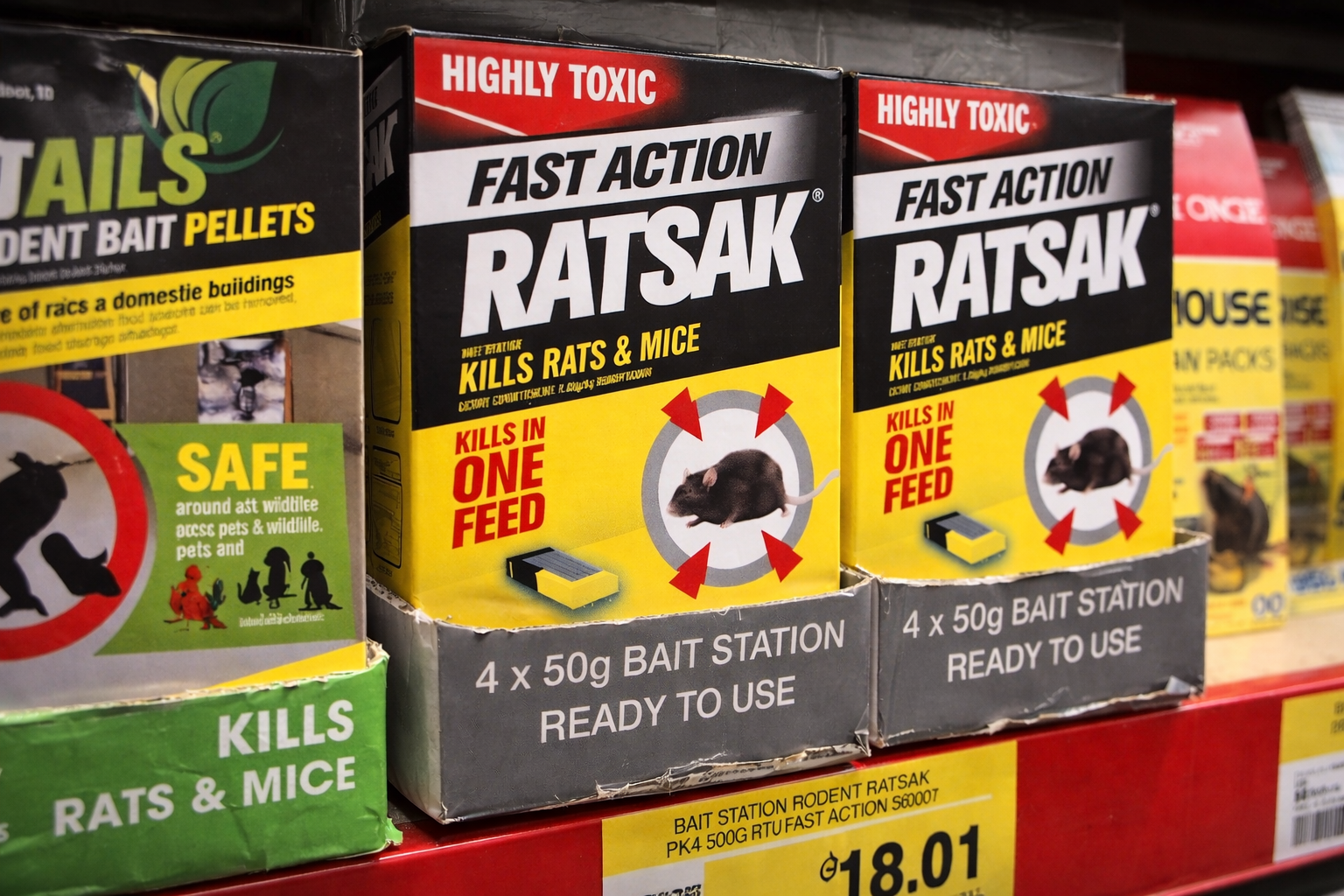
Regulator Moves To Restrict SGAR Rat Poisons
Australia’s chemical regulator has warned that some rat poisons pose unacceptable risks to wildlife. The APVMA is moving to restrict second generation anticoagulant rodenticides used in pest control.
-
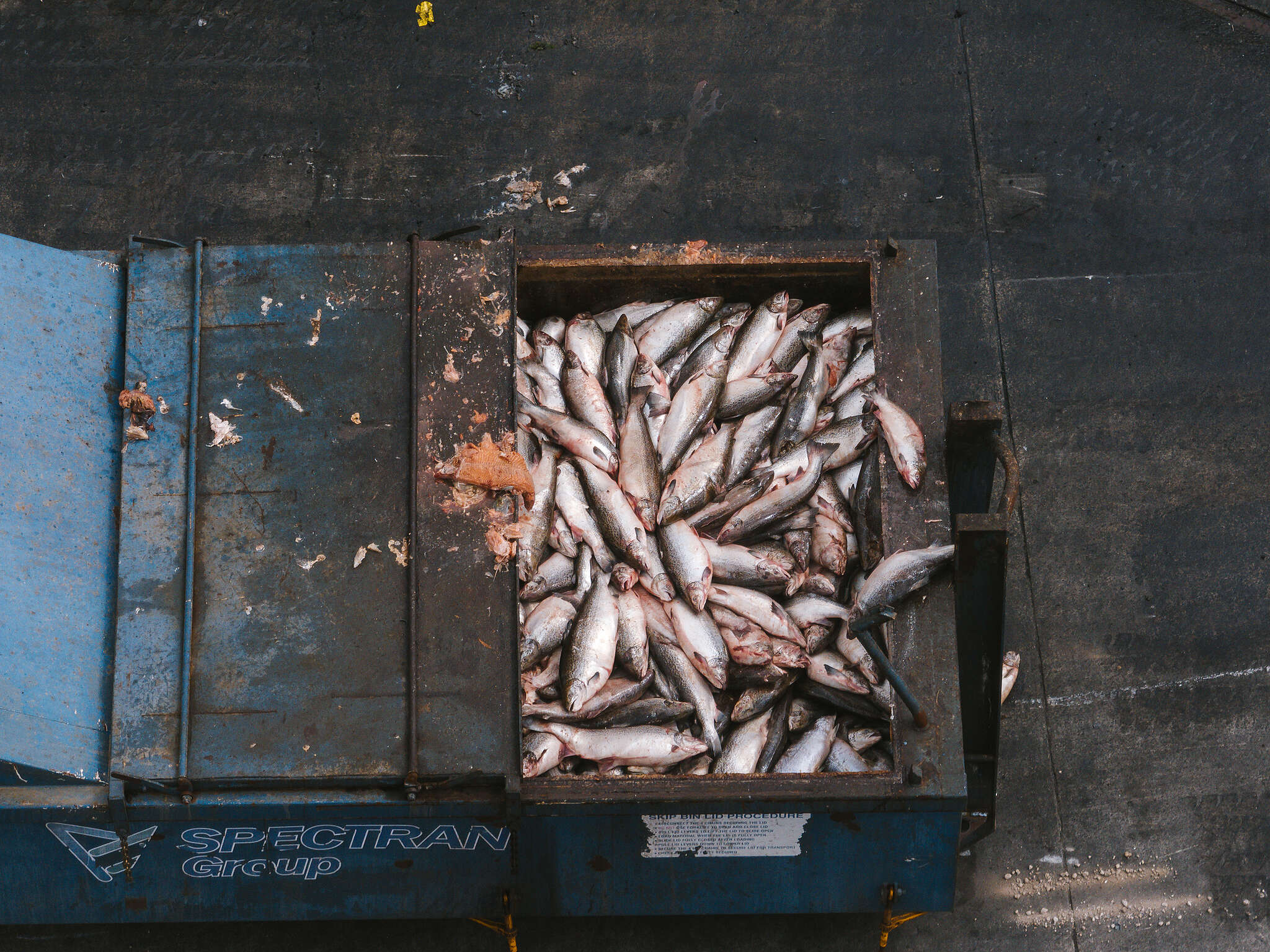
APVMA Revokes Florfenicol Emergency Permit
The Australian Pesticides and Veterinary Medicines Authority has revoked the emergency permit allowing florfenicol to be used in Tasmanian salmon farming. The decision follows residue detections in marine species outside…
-
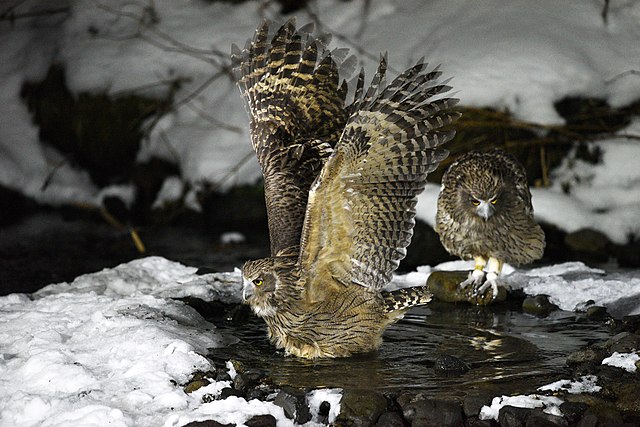
The Fragility of Owls
A reflection on Owls of the Eastern Ice and what rare owls like the Tasmanian Masked Owl reveal about habitat loss, conservation, and fragile survival on narrow margins.
-
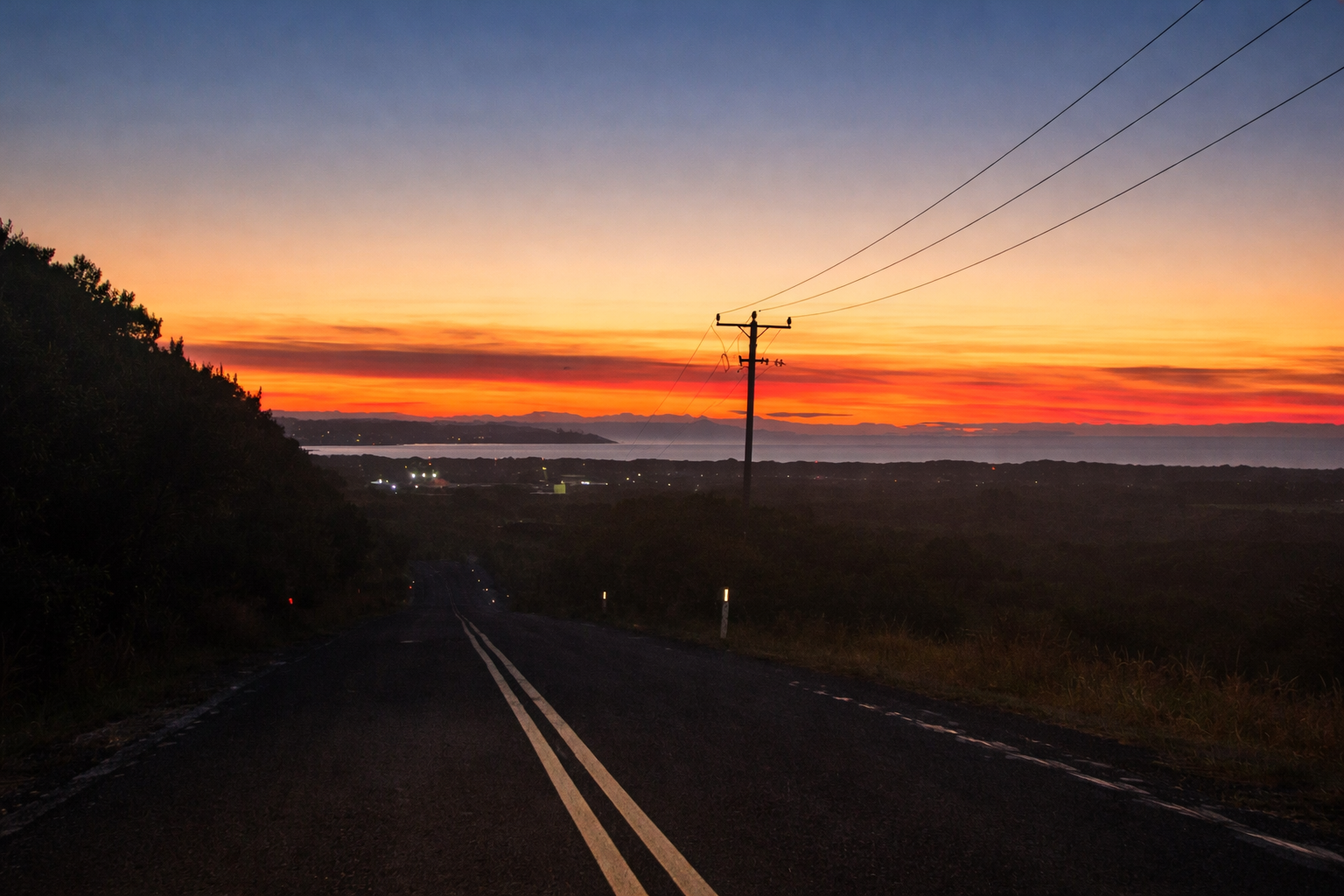
Roadkill in Tasmania
Why is roadkill so common in Tasmania? A deep dive into government data, habitat fragmentation, traffic patterns and wildlife movement, and why overpopulation myths don’t explain what we’re seeing on…
-
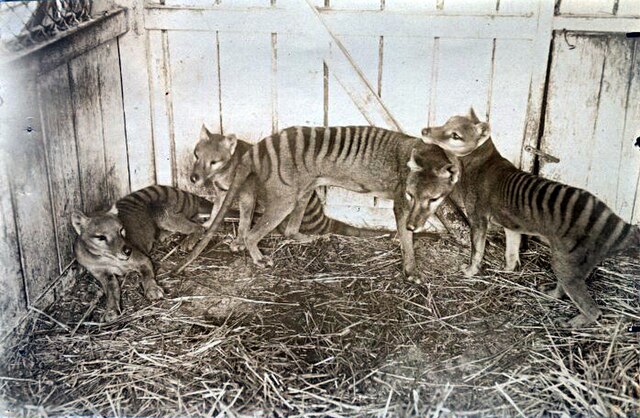
Lessons After the Last Thylacine
The loss of the Thylacine offers enduring lessons about extinction and delayed action. A reflective essay on what disappears long before the last animal does.
-
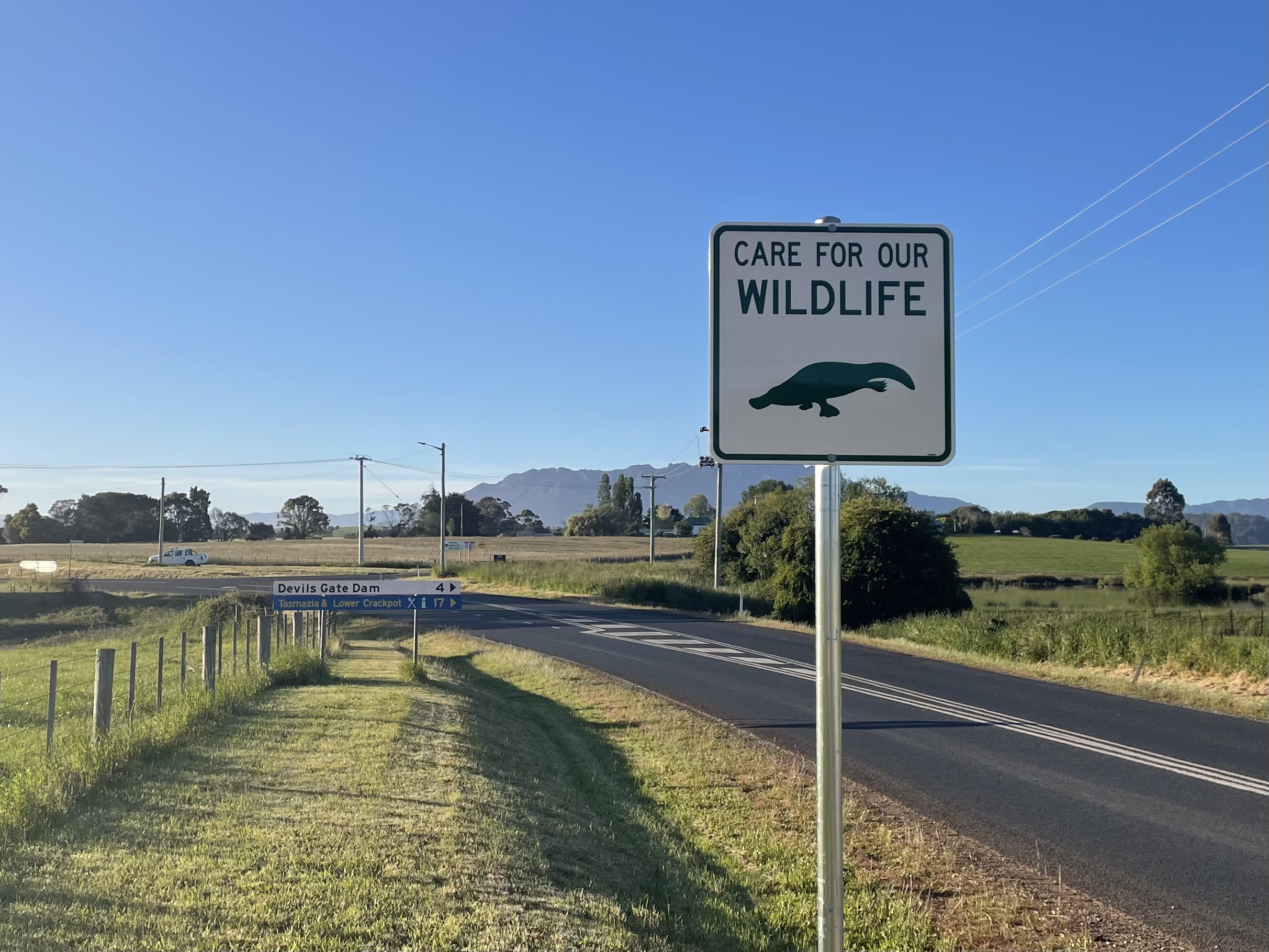
A World We No Longer See
Lately I’ve found myself wondering when we stopped feeling anything for the natural world. So many wildlife stories are met with eye rolls or quick dismissals, and it says something…
-
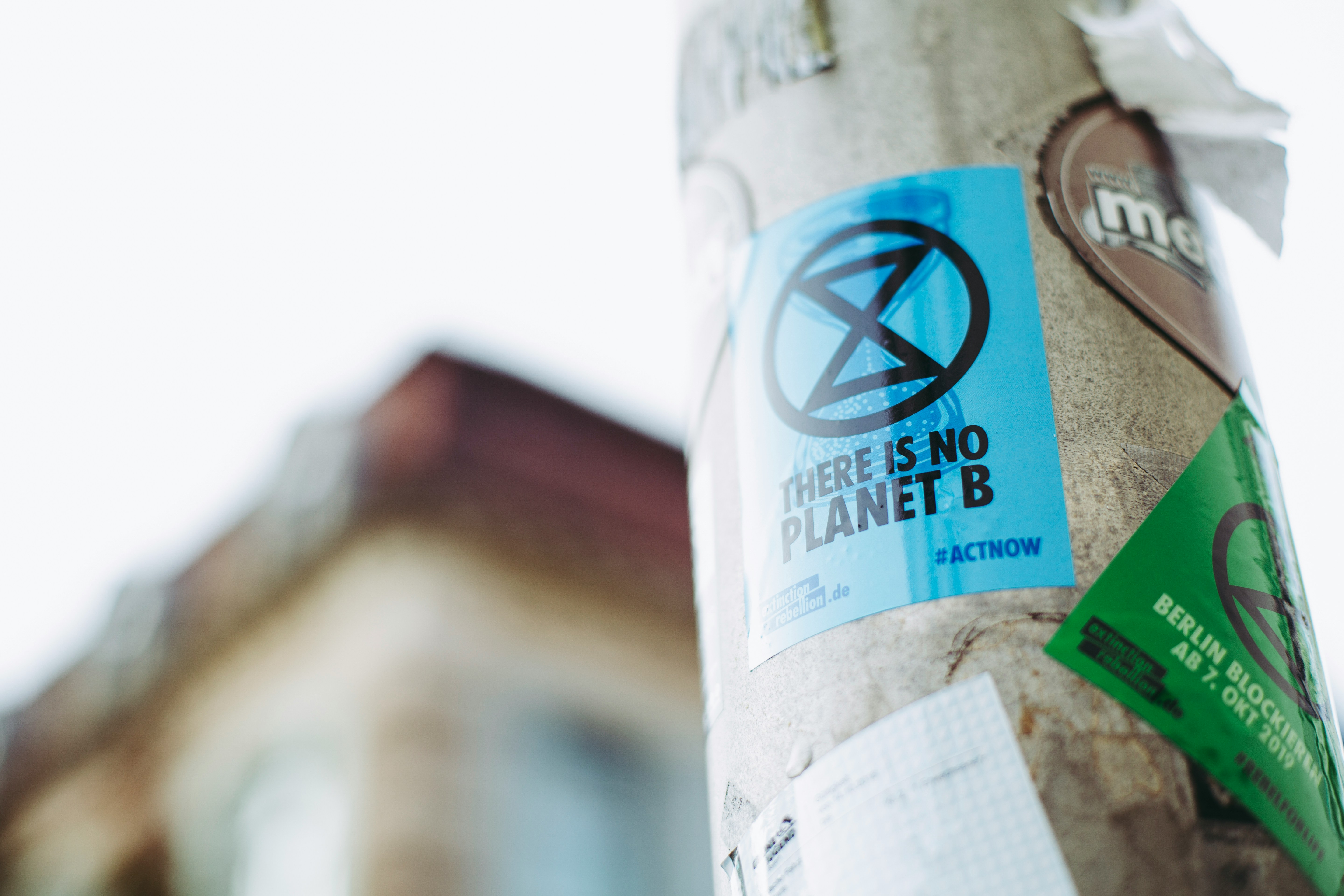
1080 Poison in Tasmania
Tasmania remains one of the few Australian states that still permits the use of 1080 poison to control native browsing animals such as wallabies, pademelons, and possums. Applied through carrot…
-

Platypus Doing Platypus Things
The platypus is unlike any other animal and is often described as strange, secretive, and endlessly fascinating. In this post, we explore why platypus matters, both the book by Jack…
-
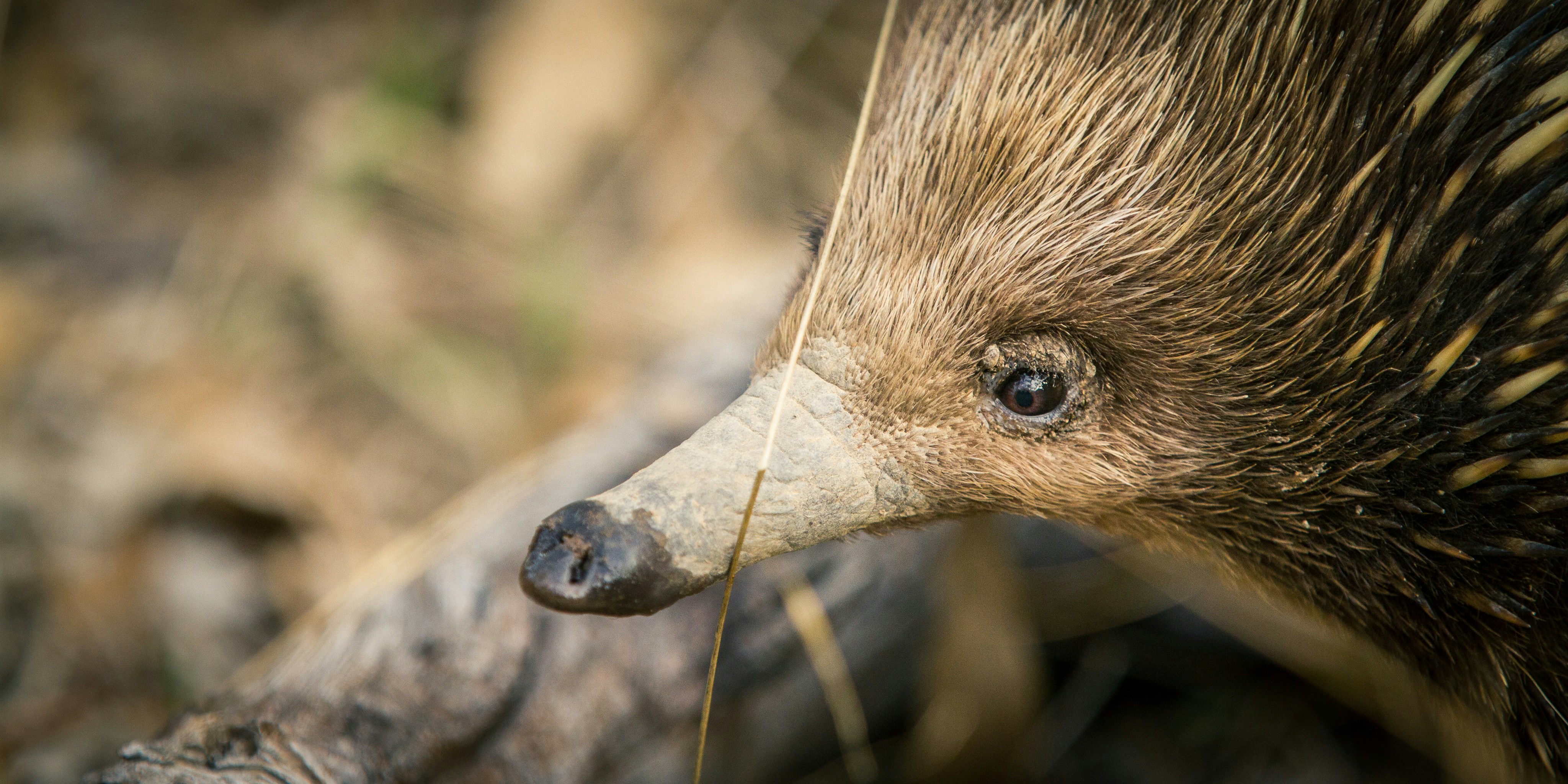
The Curious Case of Echidna Trains
Even in the quiet of winter, echidnas are on the move, and sometimes, they travel in a rather curious procession known as an echidna train. One female leads the way…
-
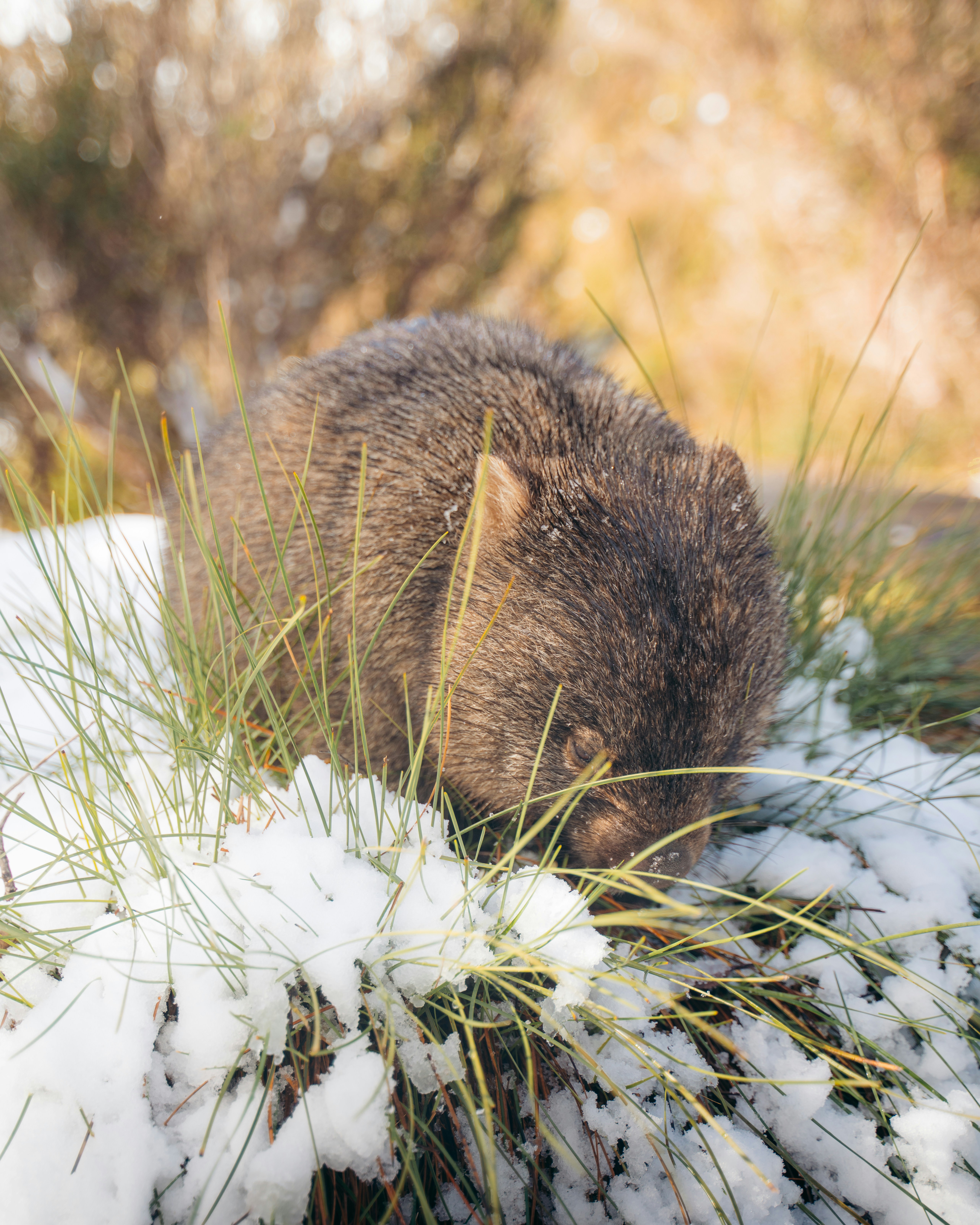
Tasmania’s Winter Wildlife Guide
Even in the coldest months of the Tasmanian year, our native wildlife doesn’t disappear, it simply changes pace. While some animals stay tucked away, others remain surprisingly active. From wombats…
-
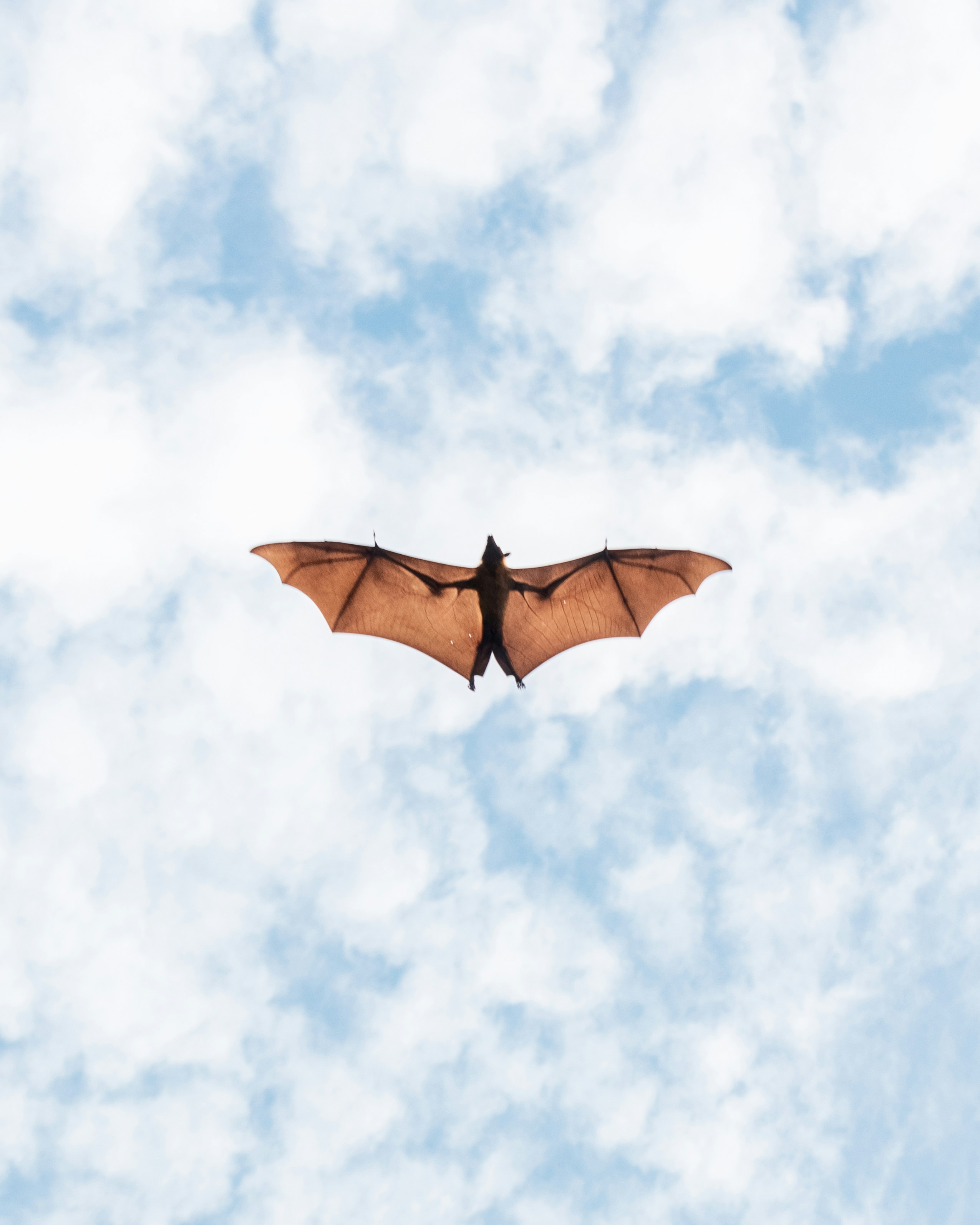
Australian Bat Lyssavirus: Why You Should Never Touch Bats
Australian Bat Lyssavirus (ABLV) is a rare but fatal virus that can be transmitted to humans through bat bites or scratches. This guide explains how ABLV spreads, why untrained members…
-

What to Do if You Find Injured Wildlife
Found an injured animal and not sure what to do? This guide walks you through the steps to safely help Tasmania’s native wildlife, including who to call and when to…

Wildlife News, Conservation and Education in Tasmania
Explore
Need Help With Wildlife?
Found injured or orphaned wildlife in Tasmania? Contact Bonorong Wildlife Rescue on 0447 264 625, 24 hours a day.
© 2026 Wild Island. All rights reserved.