
North West Tasmania
-
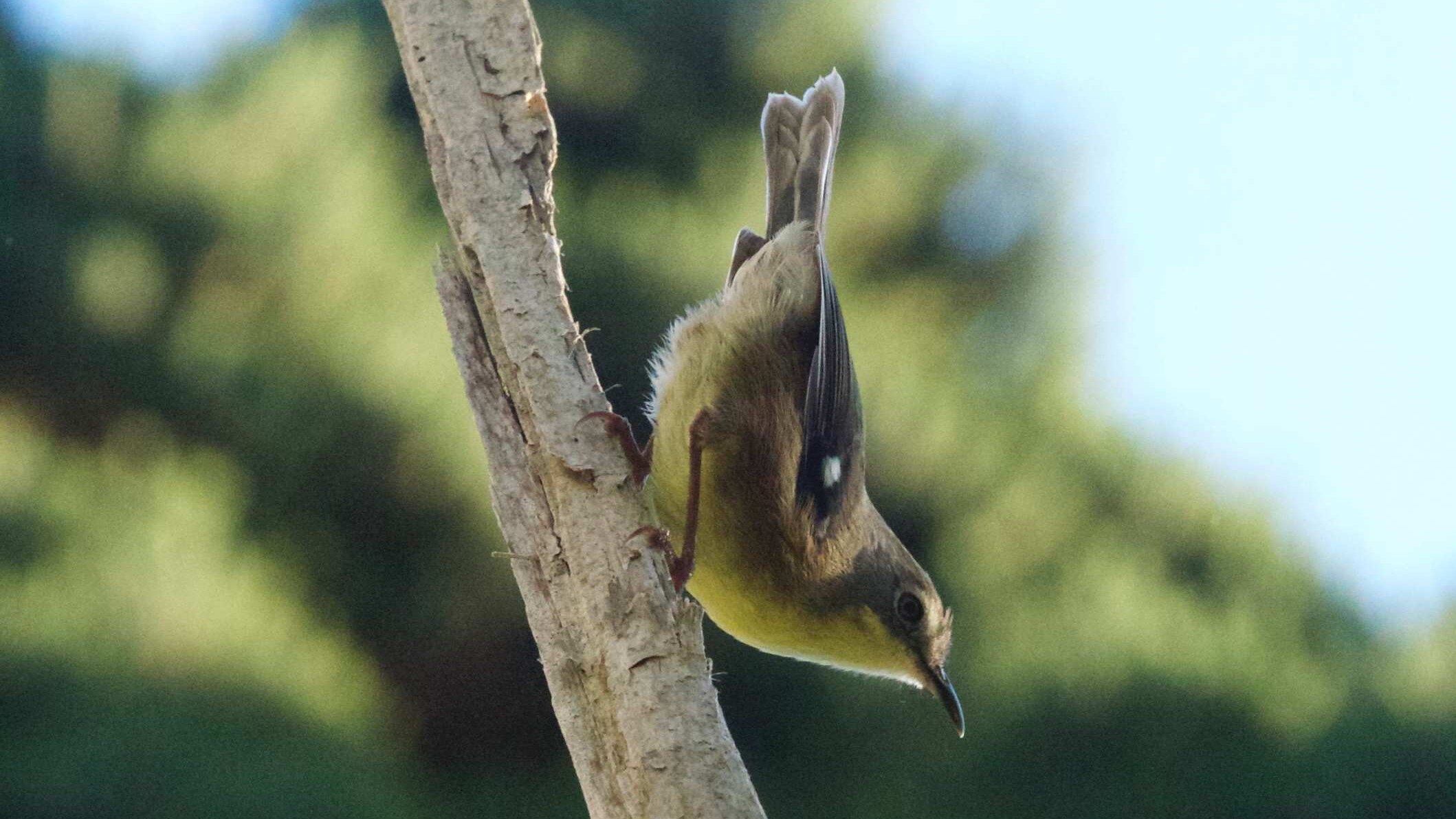
Boulder Wildlife Sanctuary Established on King Island
Australian Wildlife Conservancy has established Boulder Wildlife Sanctuary on King Island, its first conservation property in Tasmania. The 200 hectare sanctuary adjoins Lavinia State Reserve and protects habitat for the…
-
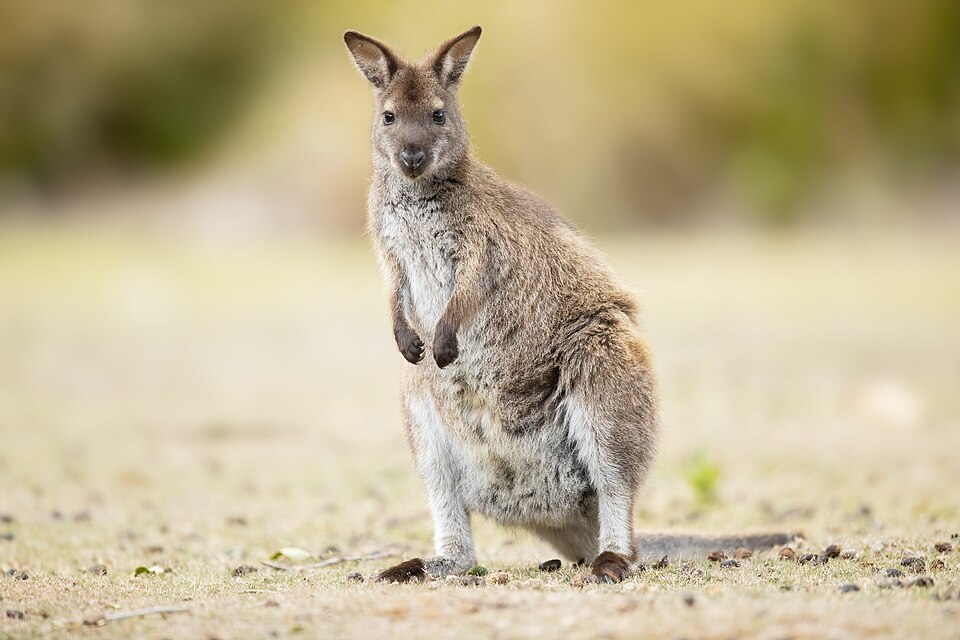
Is It Okay to Feed Wild Animals?
Most people who feed wildlife do so because they care. But could that act of kindness do more harm than good? Discover why wildlife experts discourage feeding wild animals and…
-
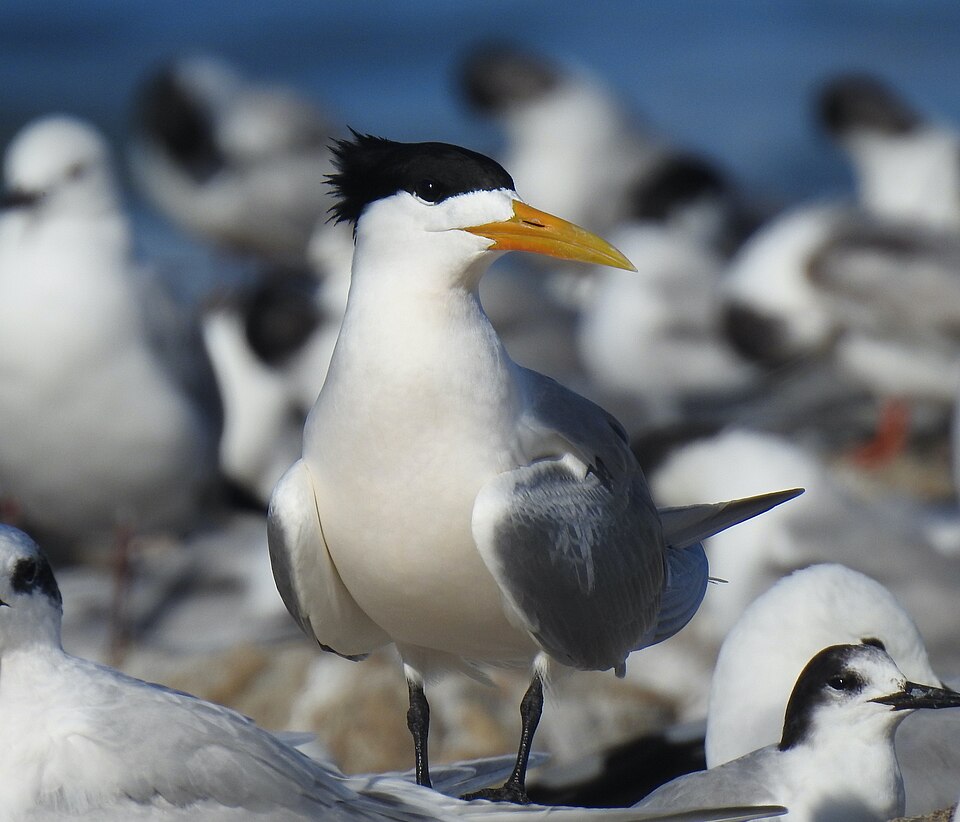
H5N1 Bird Flu Australia Timeline
Follow Australia’s H5N1 bird flu outbreak through a detailed, continually updated timeline documenting confirmed detections, surveillance efforts and major developments. From the first suspected mainland case to the spread across…
-
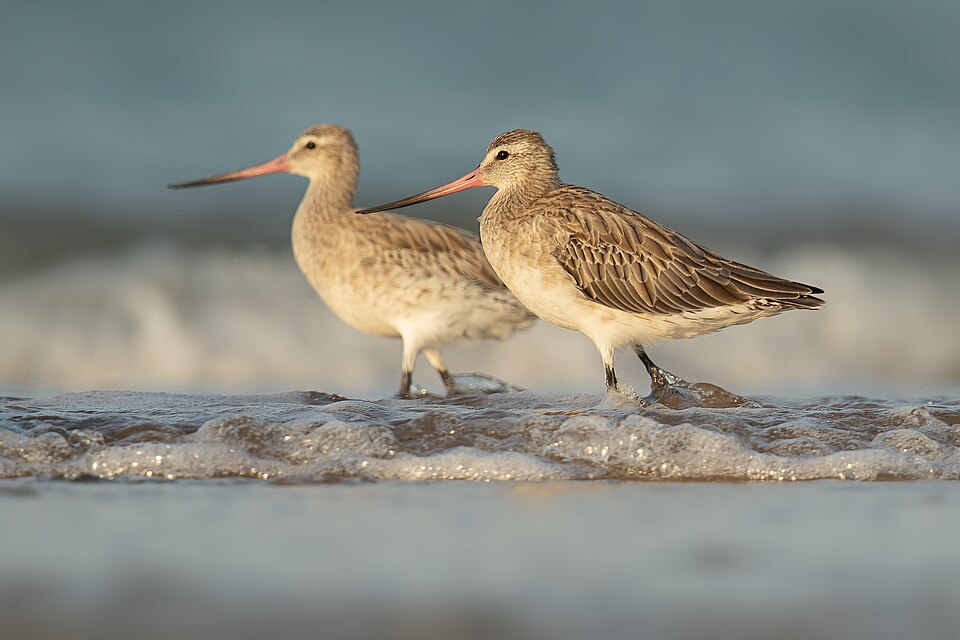
The Greatest Journey on Earth
Every year, Bar-tailed Godwits undertake one of the world’s greatest migrations, flying from Alaska to Tasmania across the Pacific Ocean. Discover the science behind their incredible journey, the East Asian…
-

Platypus Returned to the Wild
A juvenile platypus is returned to the wild after rescue and care, a quiet moment that reflects both the reality and the rare rewards of wildlife rescue in Tasmania.
-
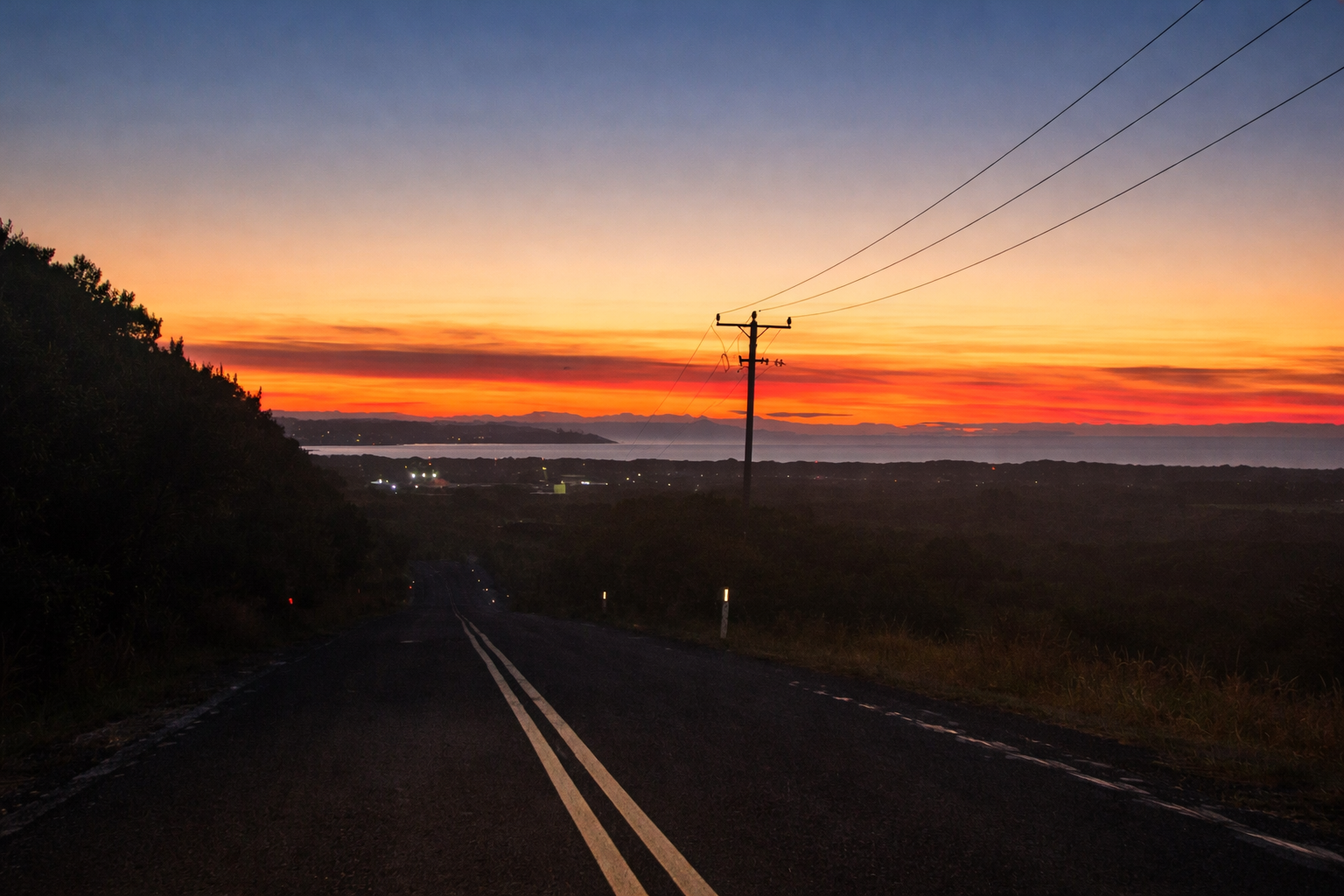
Roadkill in Tasmania
Why is roadkill so common in Tasmania? A deep dive into government data, habitat fragmentation, traffic patterns and wildlife movement, and why overpopulation myths don’t explain what we’re seeing on…
-
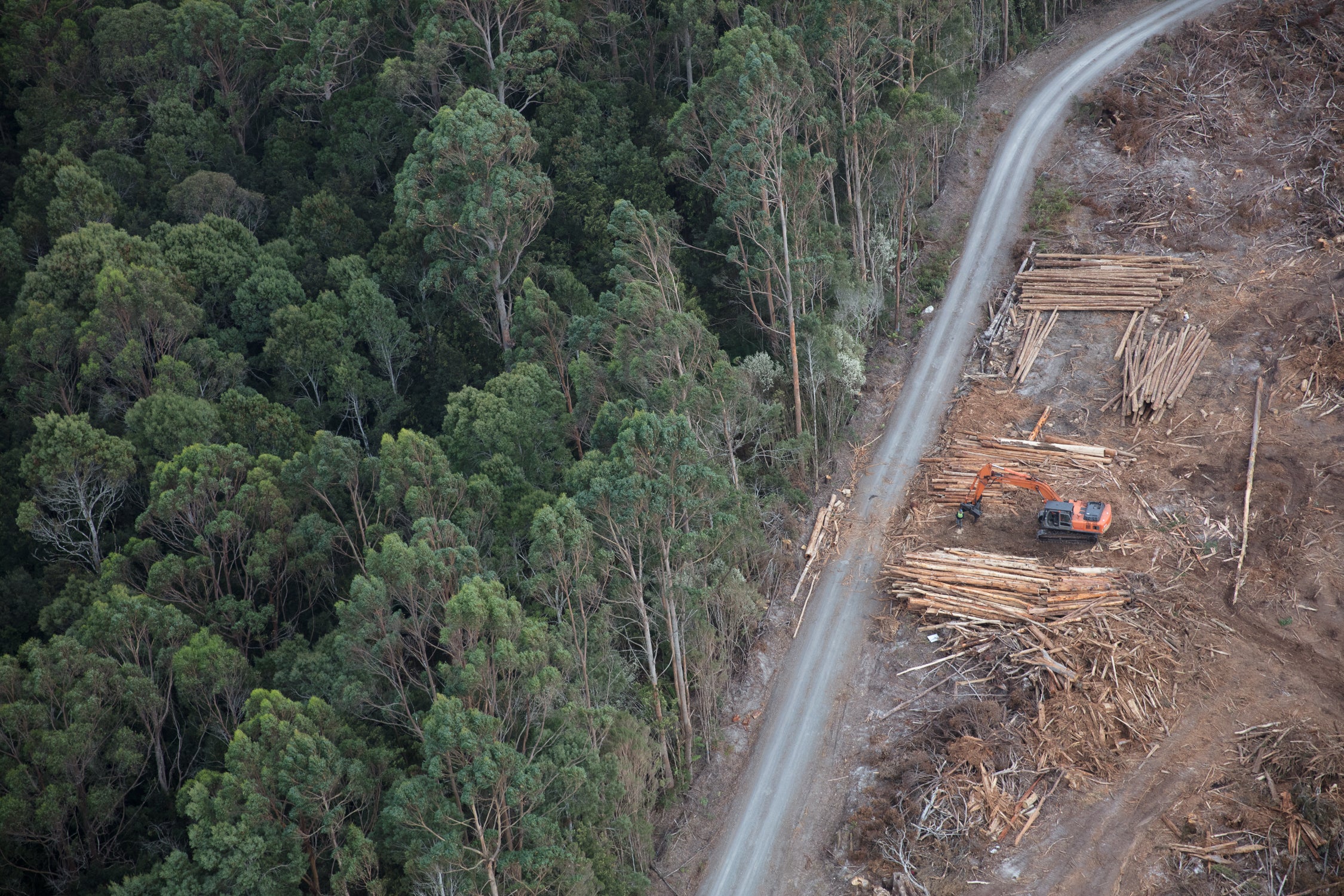
A Turning Point for the Environment
This week marks a significant moment in Australia’s environmental history, one that has left me feeling a mix of cautious hope, exhaustion, and that familiar weight in the chest that…
-
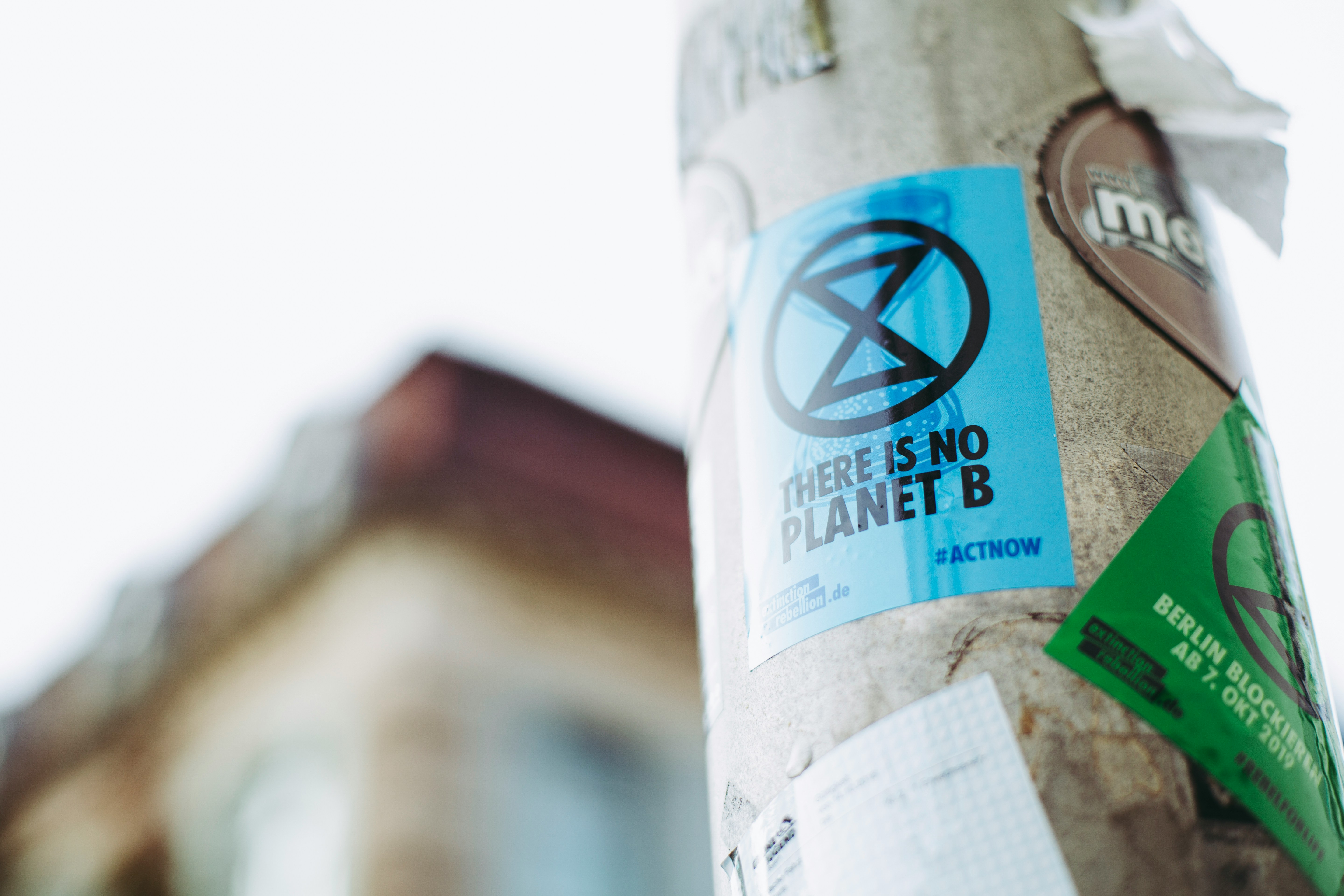
1080 Poison in Tasmania
Tasmania remains one of the few Australian states that still permits the use of 1080 poison to control native browsing animals such as wallabies, pademelons, and possums. Applied through carrot…
-

Protecting Our Wild Places
Explore why protecting Tasmania’s wildlife habitat matters, what’s at stake, and how we can all help care for the places we call wild.
-

Platypus Doing Platypus Things
The platypus is unlike any other animal and is often described as strange, secretive, and endlessly fascinating. In this post, we explore why platypus matters, both the book by Jack…
-
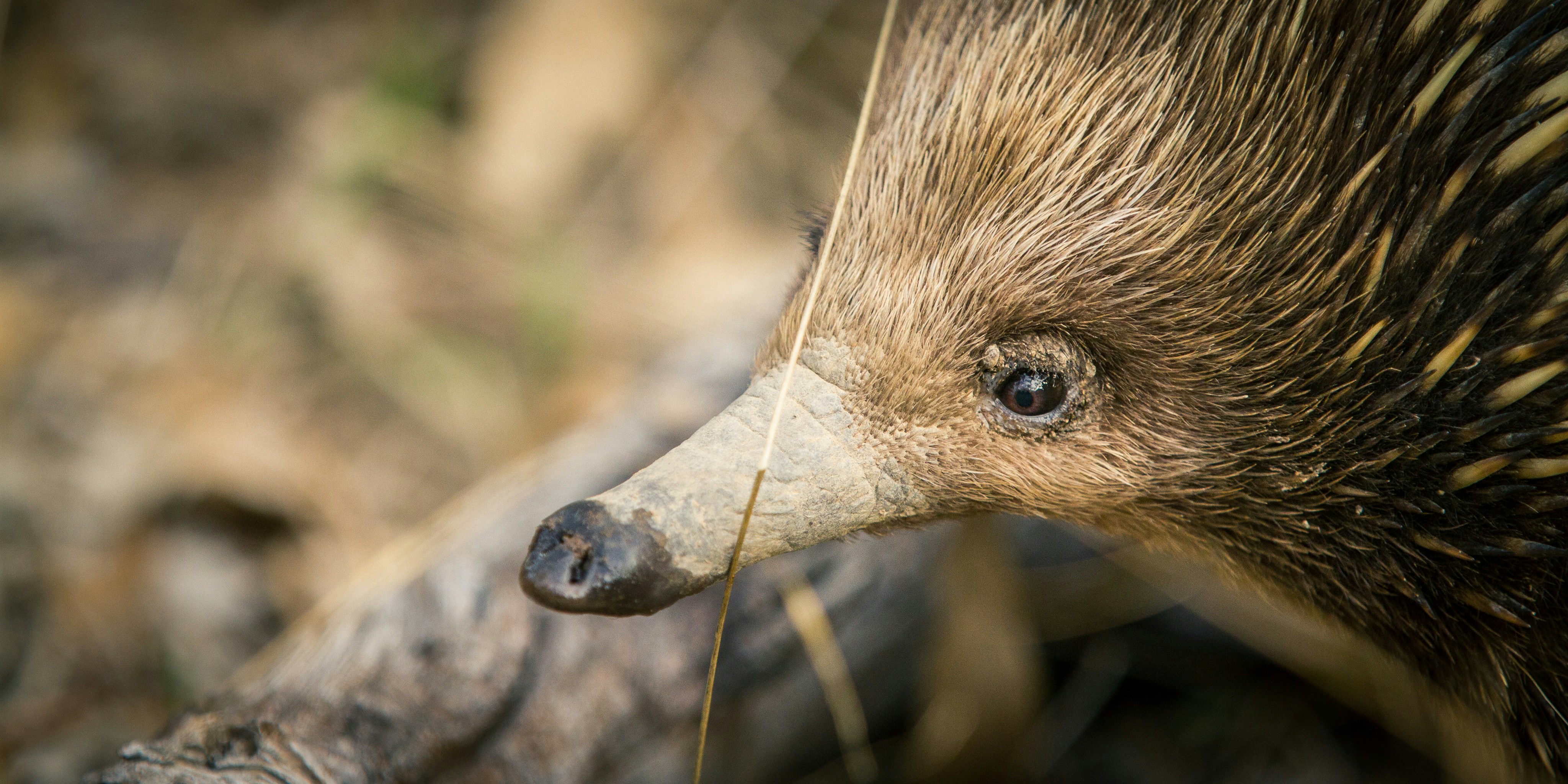
The Curious Case of Echidna Trains
Even in the quiet of winter, echidnas are on the move, and sometimes, they travel in a rather curious procession known as an echidna train. One female leads the way…
-
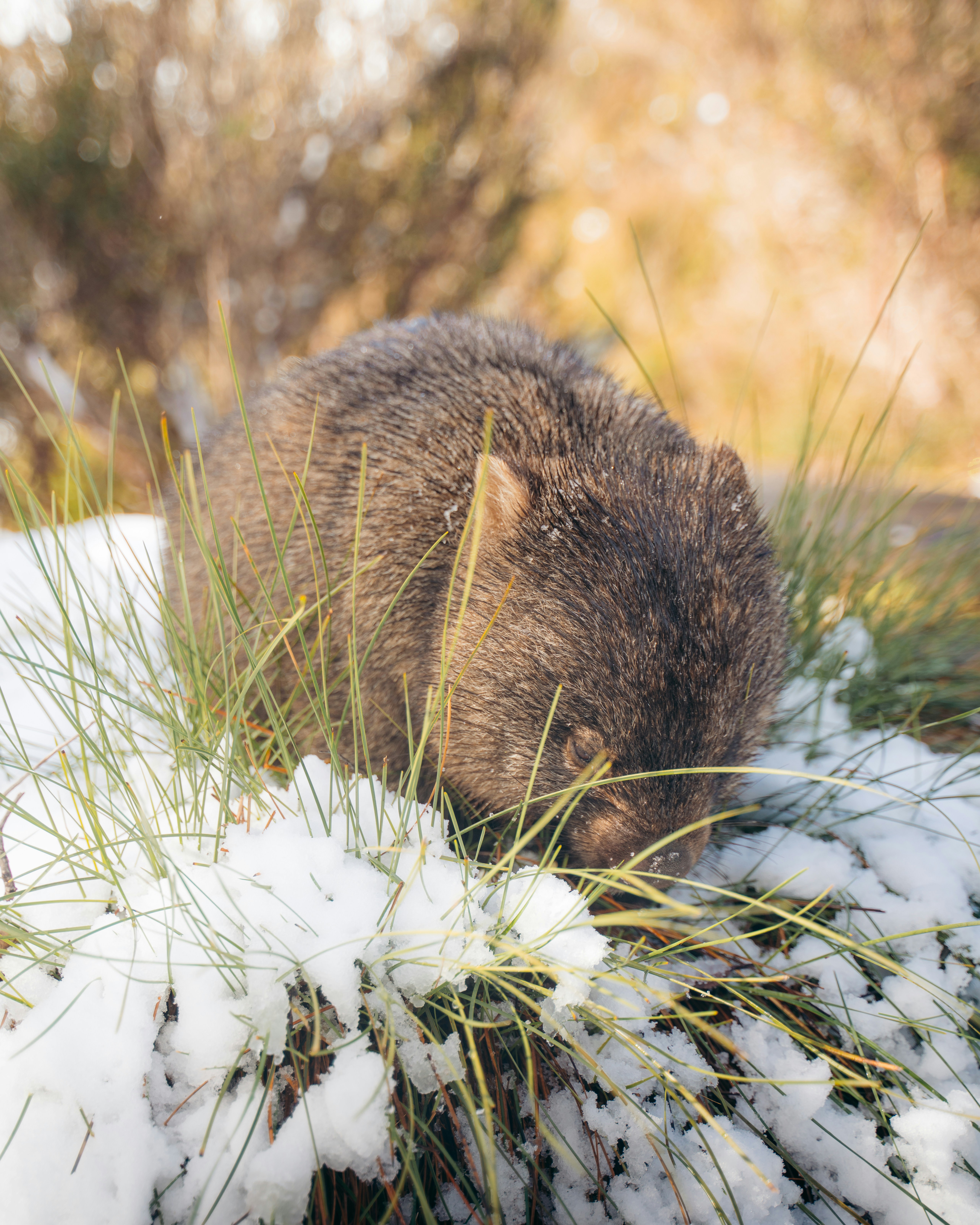
Tasmania’s Winter Wildlife Guide
Even in the coldest months of the Tasmanian year, our native wildlife doesn’t disappear, it simply changes pace. While some animals stay tucked away, others remain surprisingly active. From wombats…
-
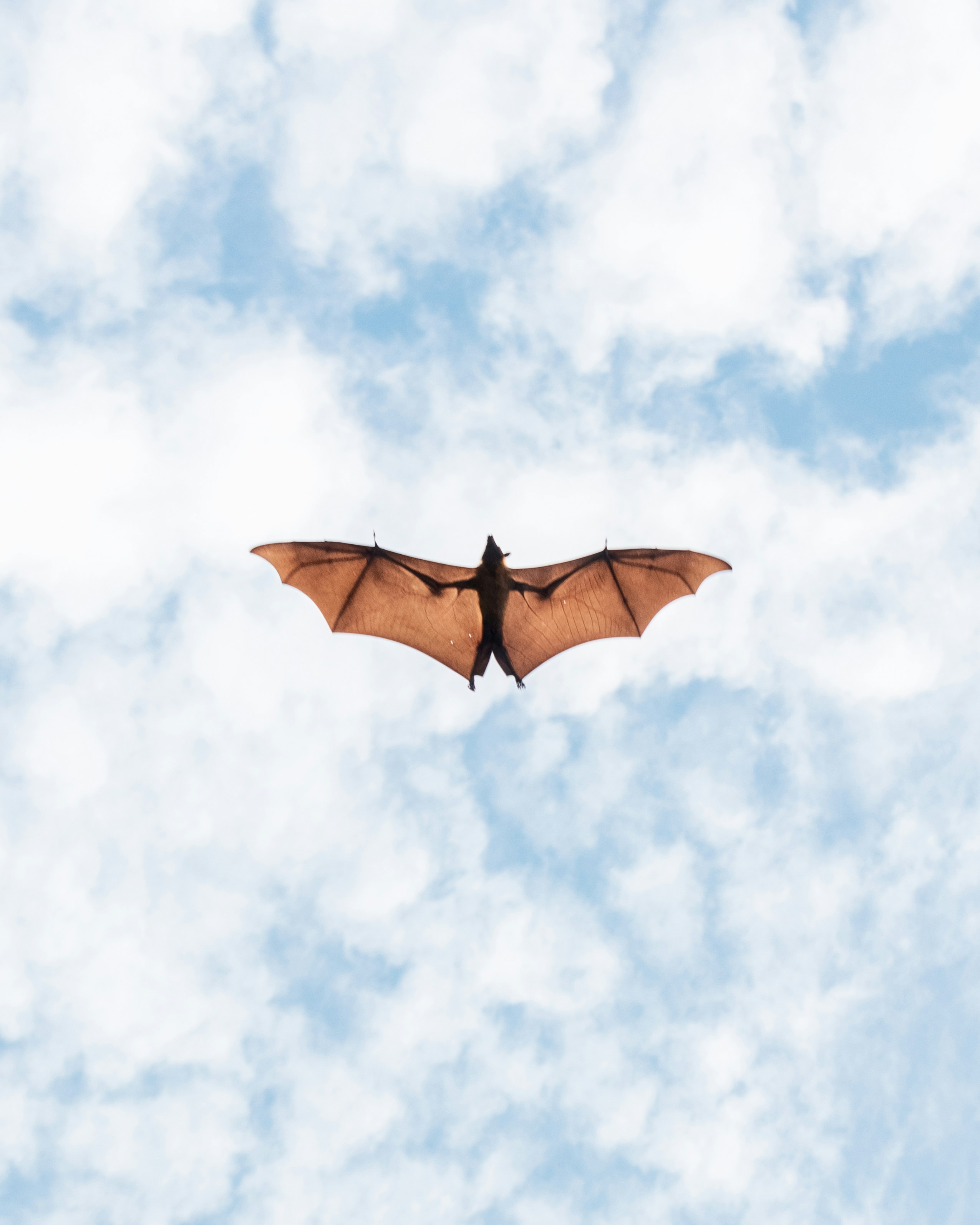
Australian Bat Lyssavirus: Why You Should Never Touch Bats
Australian Bat Lyssavirus (ABLV) is a rare but fatal virus that can be transmitted to humans through bat bites or scratches. This guide explains how ABLV spreads, why untrained members…
-
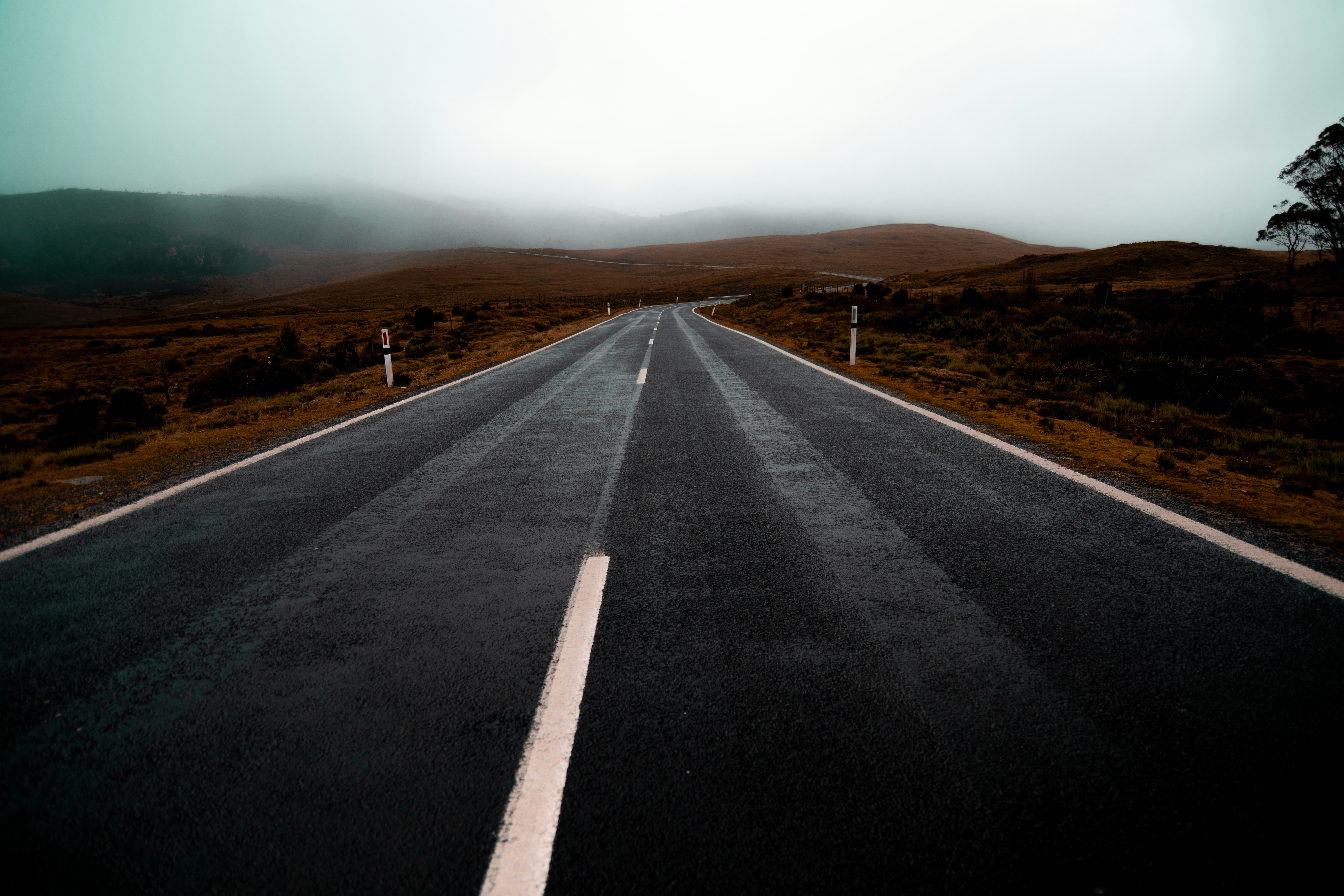
What to Do if You Find Injured Wildlife
Found an injured animal and not sure what to do? This guide walks you through the steps to safely help Tasmania’s native wildlife, including who to call and when to…
-

How to Coexist with Possums in Tasmania
Possums are a familiar part of life across Tasmania, but sharing our homes and gardens with wildlife can sometimes raise questions. Learn how to identify Tasmania’s common possum species, understand…
-
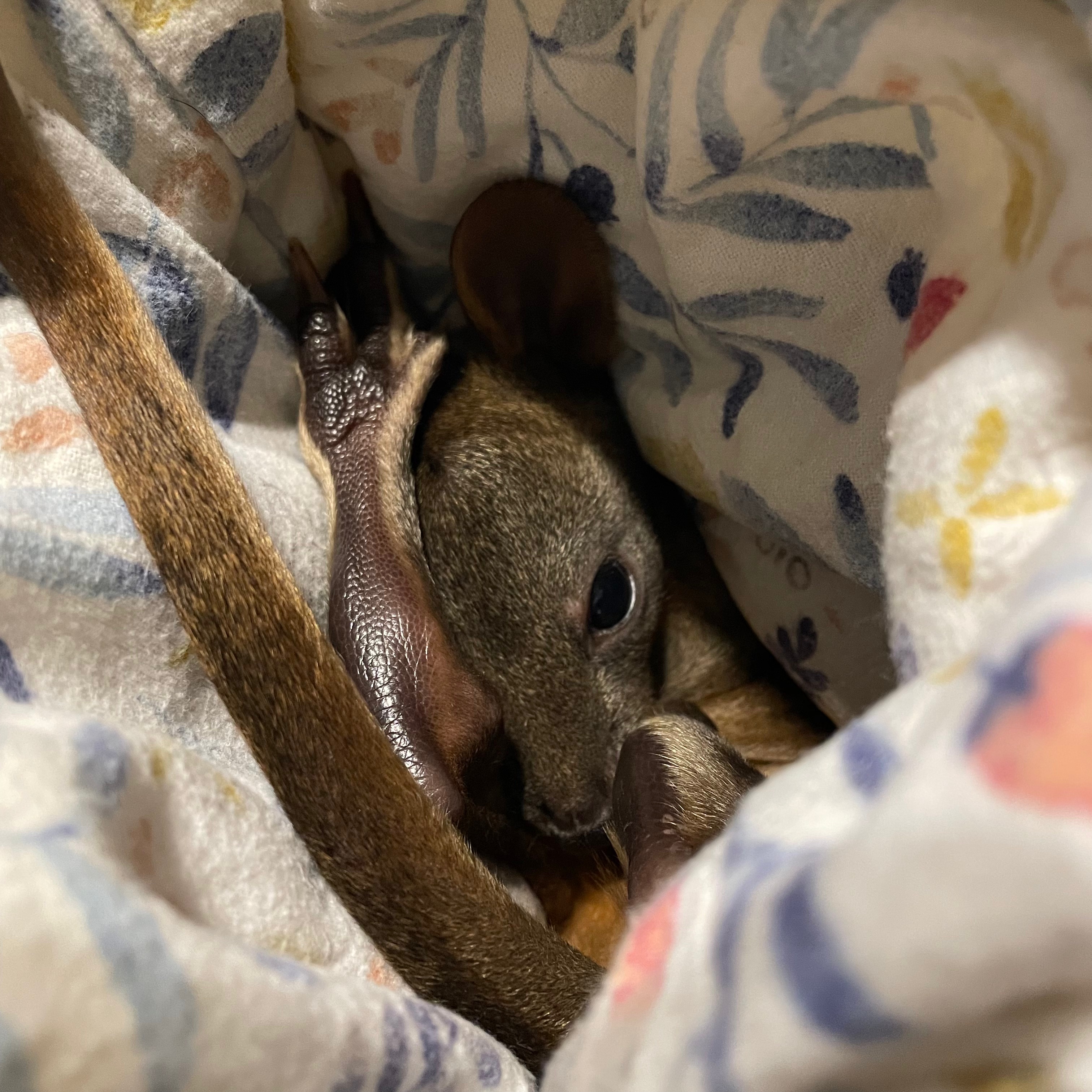
Why Checking for Joeys Matters More Than You Know
Luna is a young pademelon joey, furred, bright-eyed, and far too small to survive without her mum. When we arrived, she was curled tight in a blanket, blinking up at…
-

Little Auzzie, the Brushtail Possum Joey
As wildlife carers, we are no strangers to loss. But the methodical nature of this scene, the senselessness of it, left us feeling angry. Possums are sometimes hit by cars.…
-
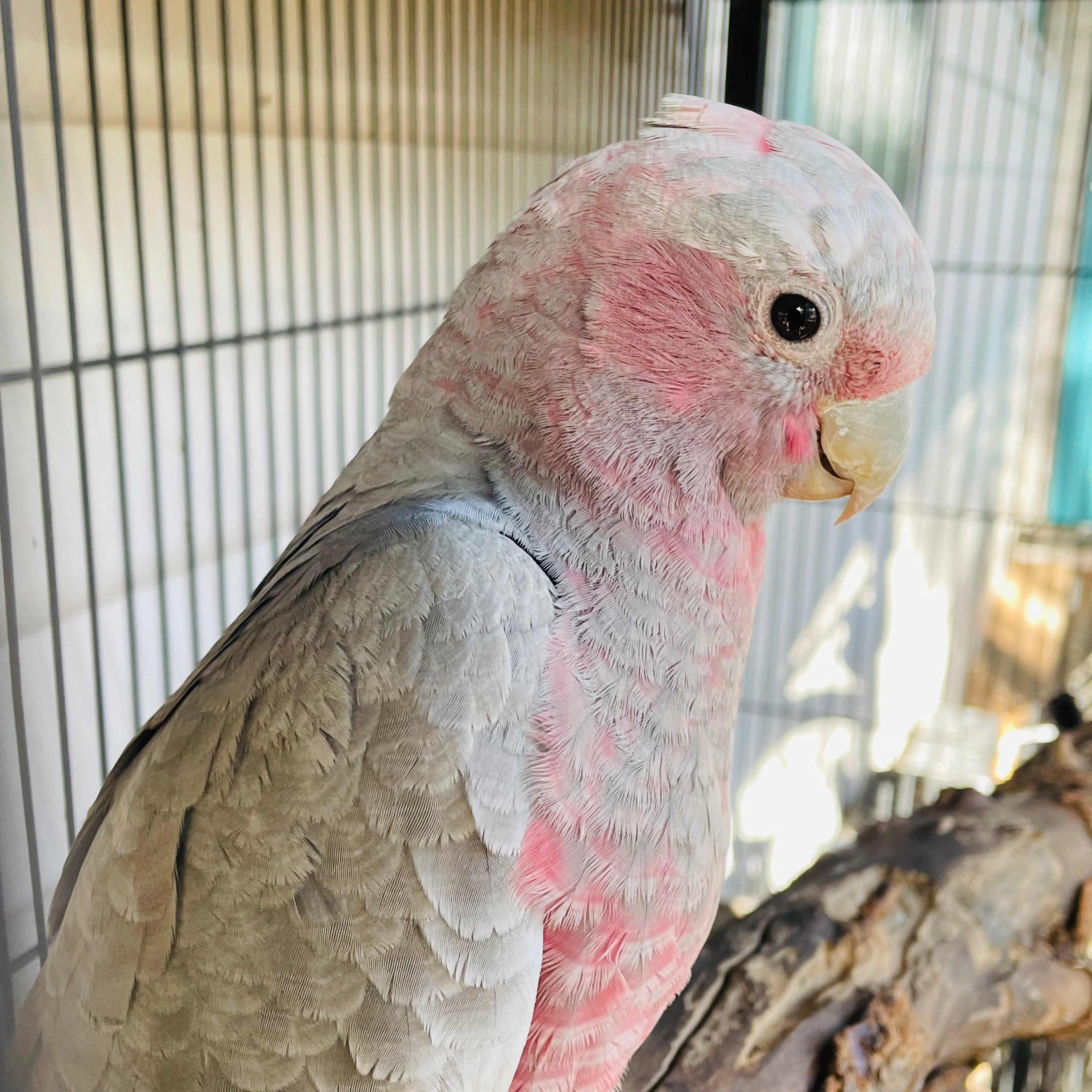
Gary, the Cheeky Galah
Gary found himself in a bit of a predicament in the wild, losing some of his flight feathers which he relies on to be able to thrive in the wild.…
-

Stanley, The Orphaned Wombat Joey
Stanley came into our care after he was orphaned due to a car strike in North West Tasmania. A truck driver noticed his mother on the road and stopped to…
-

Discover the Fascinating World of Echidnas
Echidnas belong to the family Tachyglossidae and are part of a group of mammals known as monotremes. Monotremes are among the most primitive mammals, alongside the platypus. Unlike most mammals,…
-
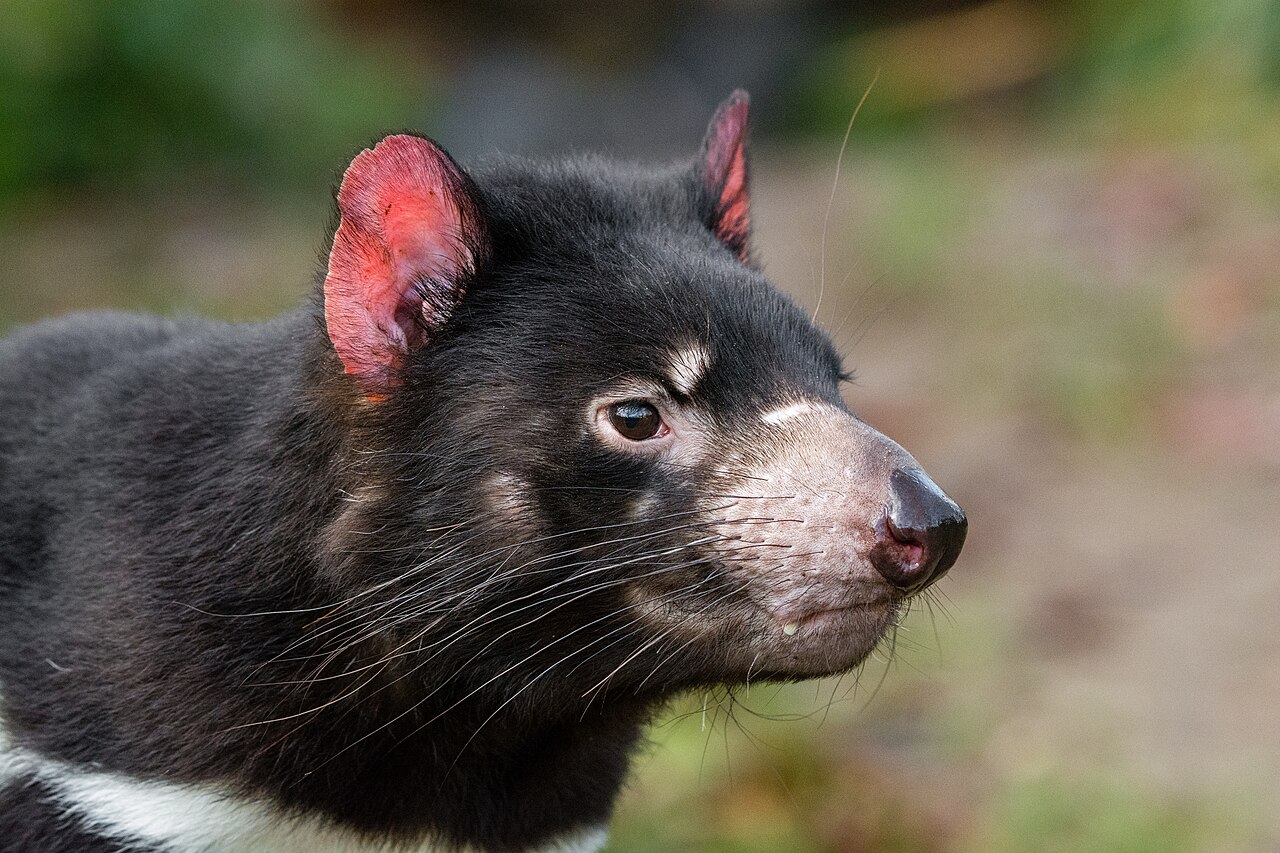
Protecting The Tasmanian Devil
Decades of work have helped protect the Tasmanian devil from Devil Facial Tumour Disease, but the species still faces other threats. Road mortality, habitat loss and fragmentation continue to affect…

Wildlife News, Conservation and Education in Tasmania
Explore
Need Help With Wildlife?
Found injured or orphaned wildlife in Tasmania? Contact Bonorong Wildlife Rescue on 0447 264 625, 24 hours a day.
© 2026 Wild Island. All rights reserved.