
Wildlife Conservation
-

Sharing Tasmania’s Beaches With Nesting Shorebirds
Each spring, shorebirds nest along Tasmania’s beaches, where their camouflaged eggs and flightless chicks face threats from disturbance, predators and coastal activity. Meet four of Tasmania’s resident shorebird species, learn…
-
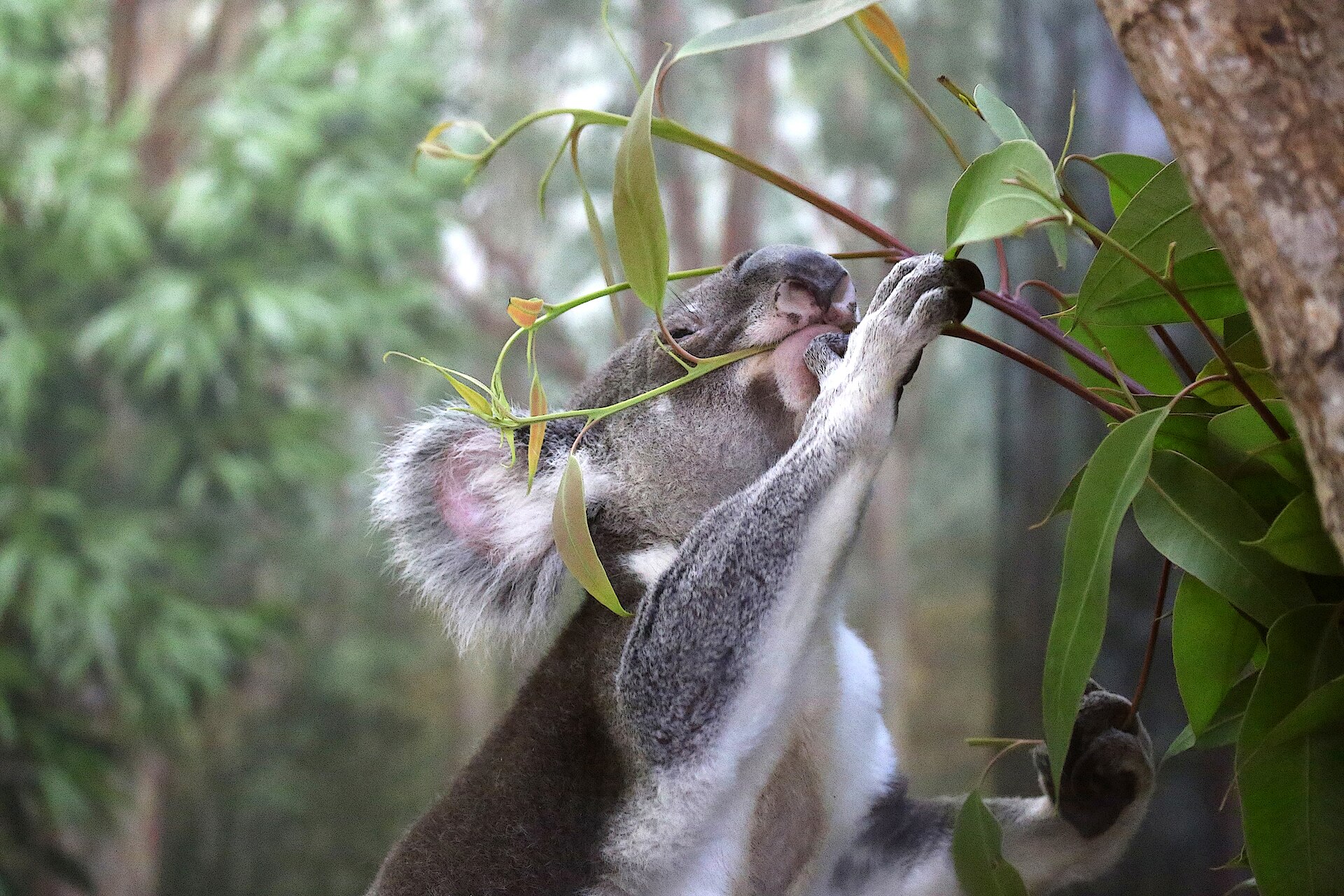
The Great Koala National Park
The Great Koala National Park could protect nearly half a million hectares of forest and habitat for thousands of koalas and greater gliders. But its creation has become tied to…
-
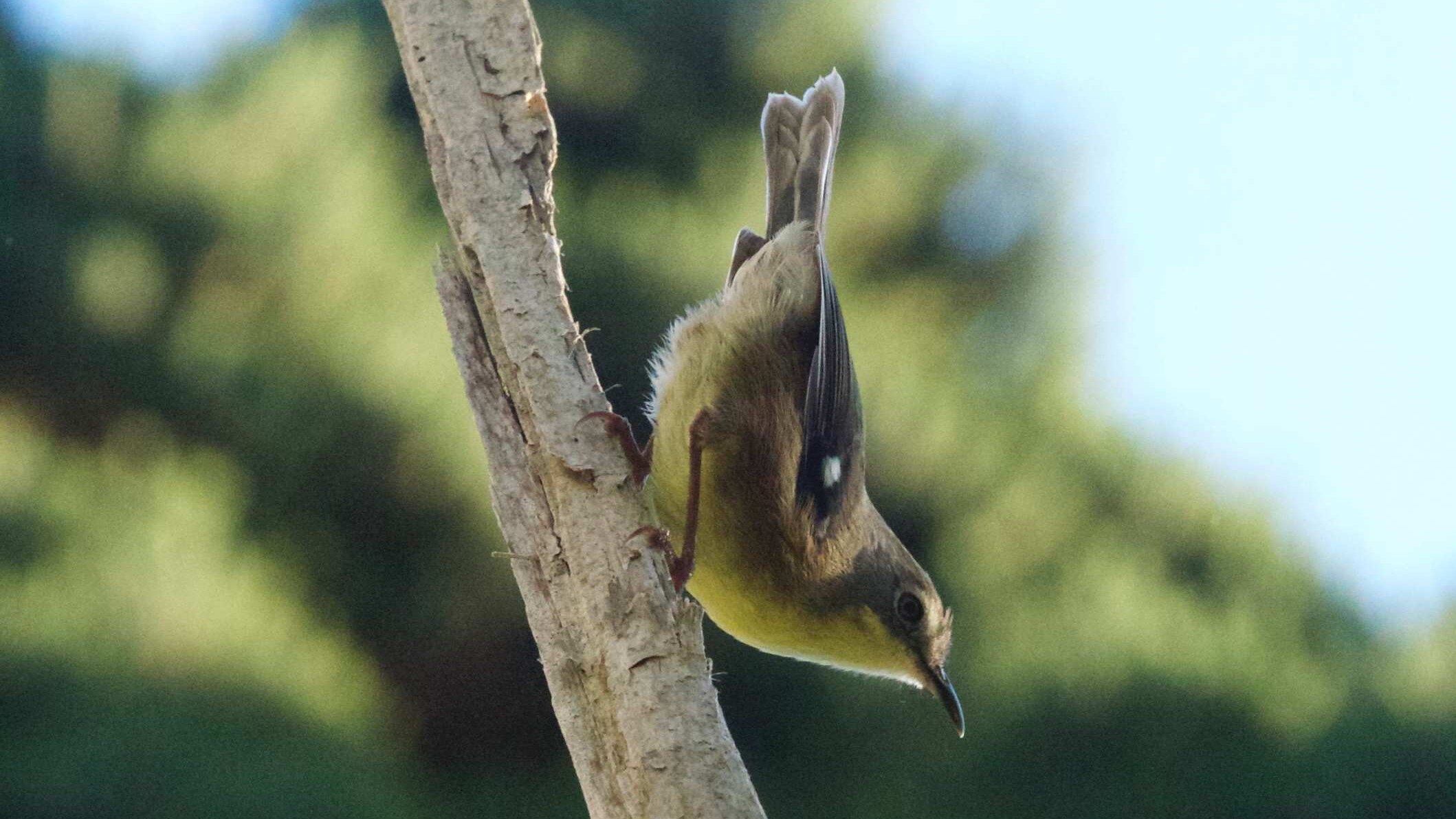
Boulder Wildlife Sanctuary Established on King Island
Australian Wildlife Conservancy has established Boulder Wildlife Sanctuary on King Island, its first conservation property in Tasmania. The 200 hectare sanctuary adjoins Lavinia State Reserve and protects habitat for the…
-
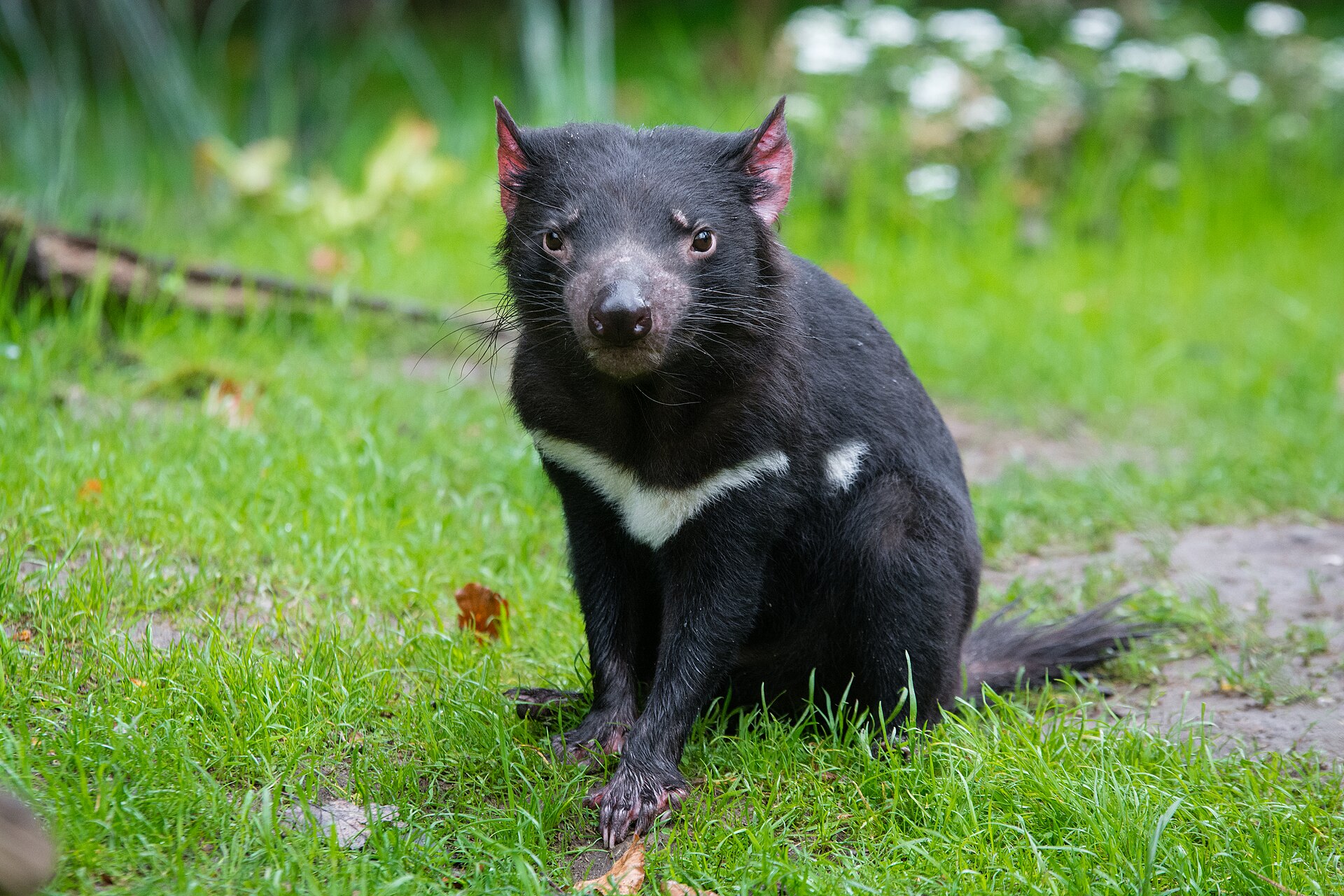
Mary the Tasmanian Devil’s Remarkable Recovery
Three months after her unexpected escape from Paradise Country, Mary the Tasmanian devil has completed an extraordinary journey from two weeks on the run and serious illness to months of…
-

The Debate Over Sugar Gliders and Swift Parrots
For more than a decade, introduced sugar gliders have been considered a major threat to Tasmania’s critically endangered swift parrot. New field research is now adding another layer to the…
-
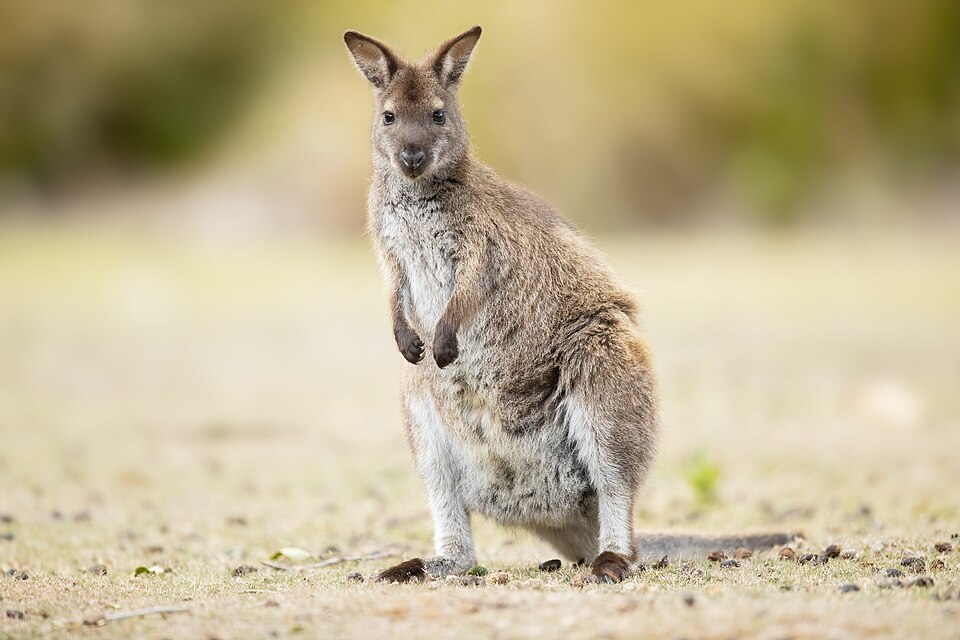
Is It Okay to Feed Wild Animals?
Most people who feed wildlife do so because they care. But could that act of kindness do more harm than good? Discover why wildlife experts discourage feeding wild animals and…
-
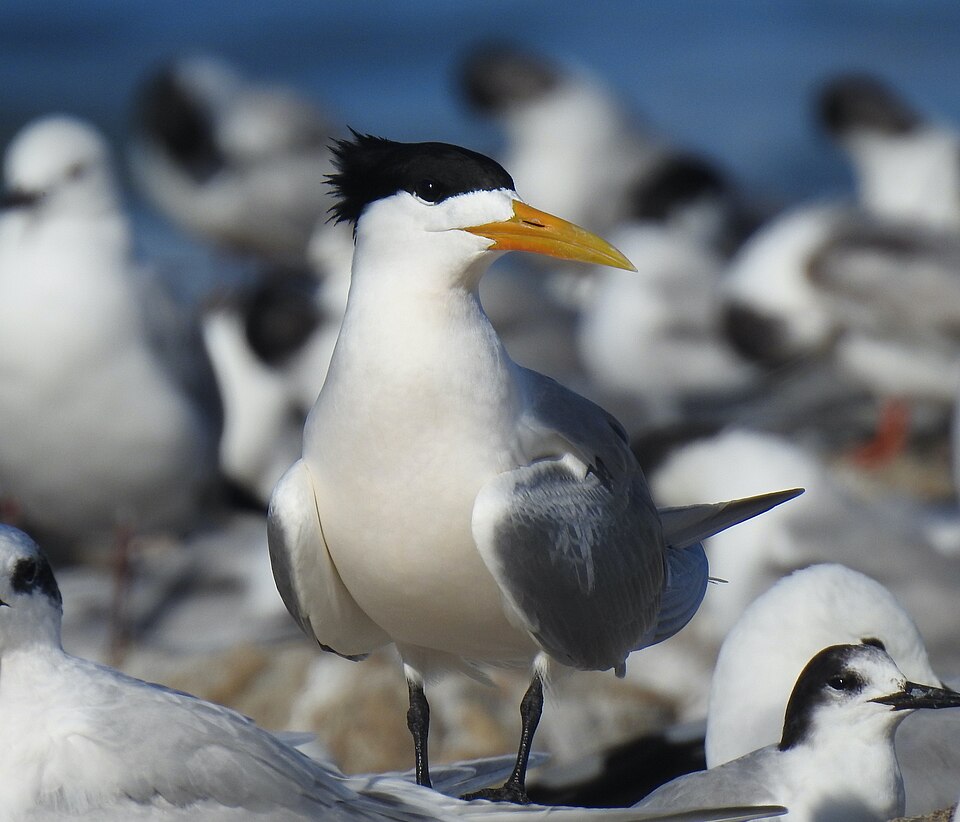
H5N1 Bird Flu Australia Timeline
Follow Australia’s H5N1 bird flu outbreak through a detailed, continually updated timeline documenting confirmed detections, surveillance efforts and major developments. From the first suspected mainland case to the spread across…
-
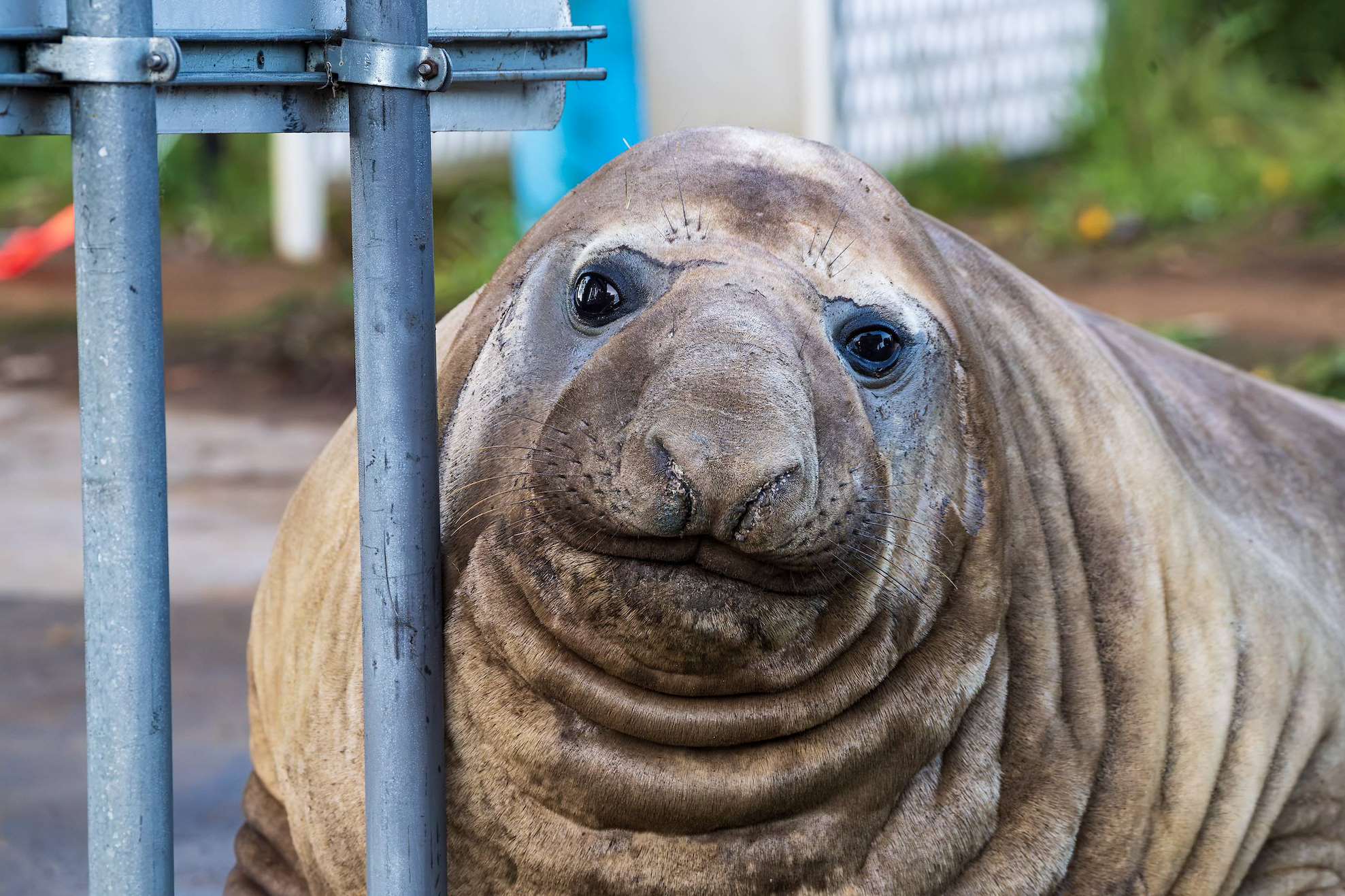
Who is Neil the Elephant Seal?
Neil the Seal has captured hearts around the world, but there is much more to his story than viral headlines. Discover who Neil is, why he keeps returning to Tasmania,…
-
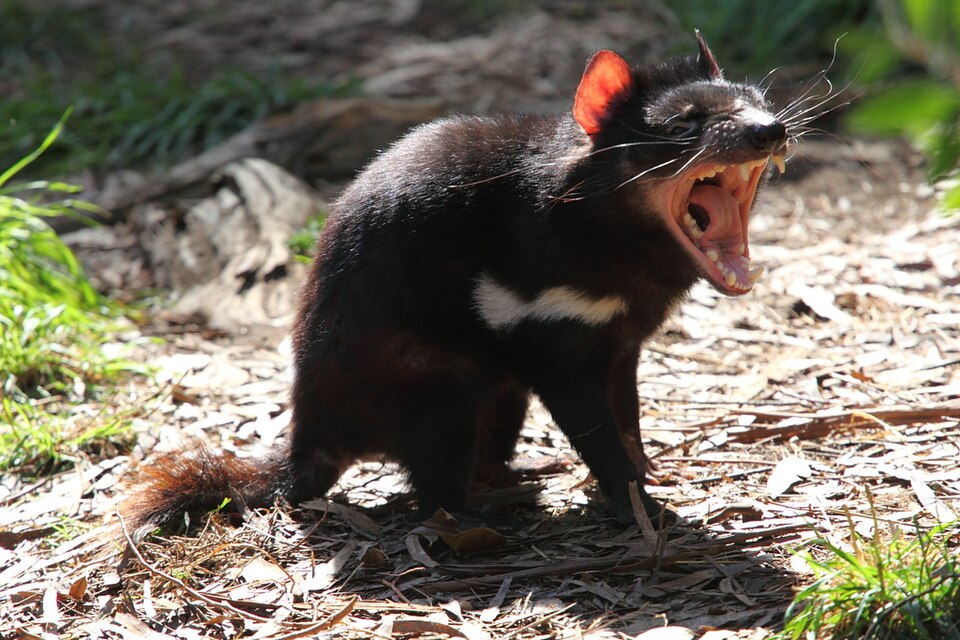
Australian Mammals at Risk from H5N1 Bird Flu
The arrival of H5N1 bird flu in Australia has raised new questions for wildlife conservation. While the virus primarily affects birds, native mammals may also face risks. Discover which Australian…
-

A Practical Guide to Possum Nest Boxes
A practical guide to possum nest boxes, including nest box design, installation advice, maintenance tips and build plans suitable for brushtail and ringtail possums.
-
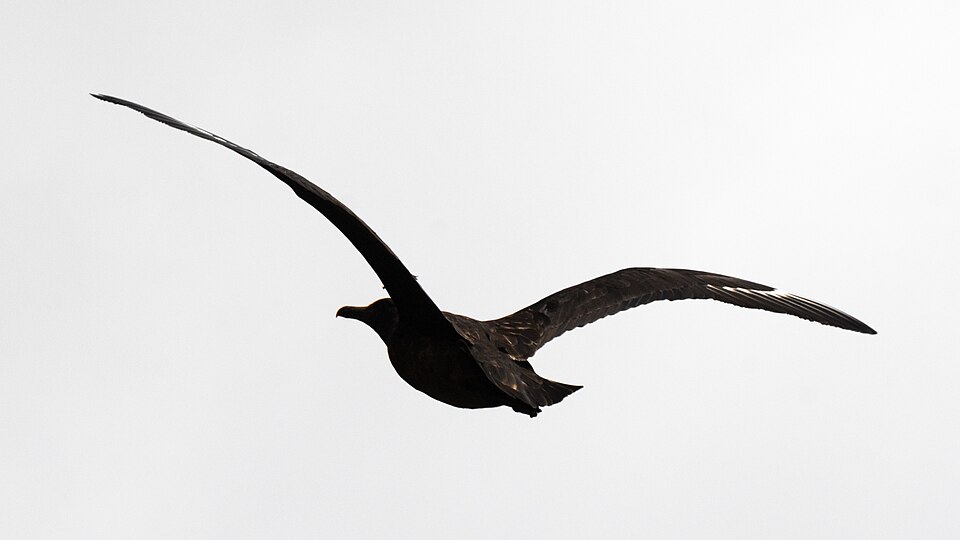
H5N1 Bird Flu Confirmed in Australia
H5N1 bird flu has now been confirmed in Western Australia and South Australia, marking a significant moment in Australia’s biosecurity history. Follow the latest developments, wildlife impacts and conservation concerns…
-
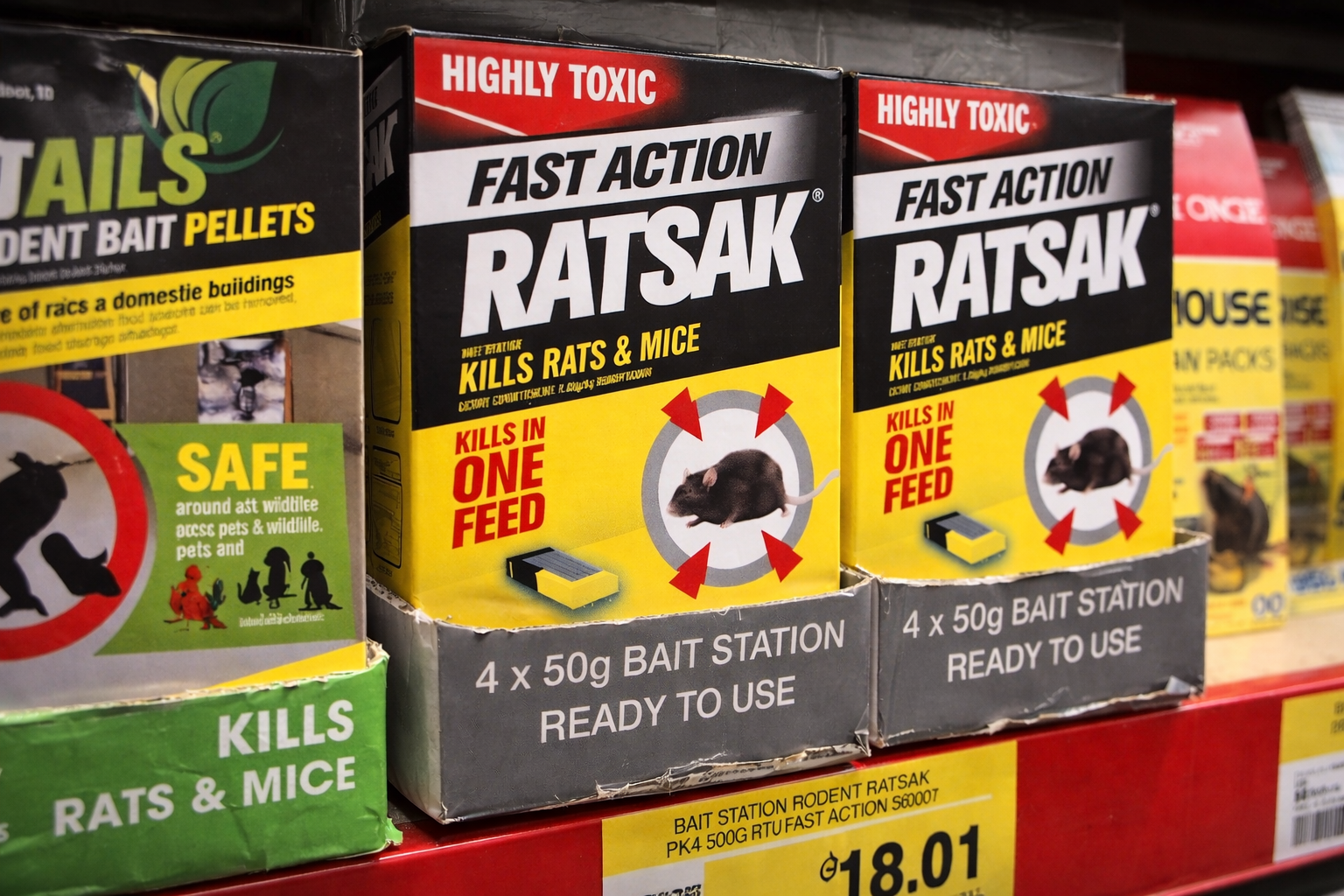
Regulator Moves To Restrict SGAR Rat Poisons
Australia’s chemical regulator has warned that some rat poisons pose unacceptable risks to wildlife. The APVMA is moving to restrict second generation anticoagulant rodenticides used in pest control.
-

APVMA Issues Show Cause On Florfenicol
New testing has detected traces of florfenicol in wild marine species more than 10 kilometres from salmon farms, prompting the APVMA to issue a show cause notice on the emergency…
-
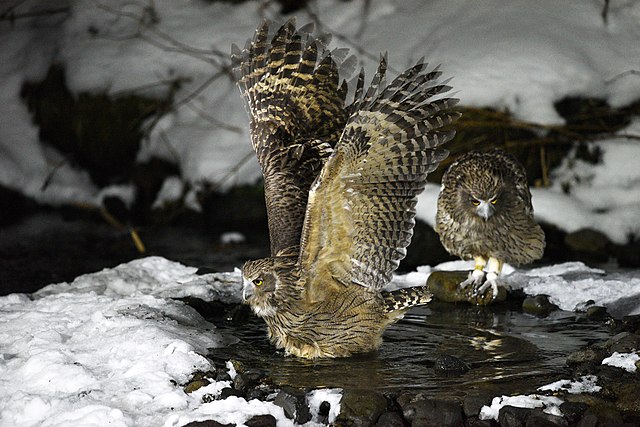
The Fragility of Owls
A reflection on Owls of the Eastern Ice and what rare owls like the Tasmanian Masked Owl reveal about habitat loss, conservation, and fragile survival on narrow margins.
-
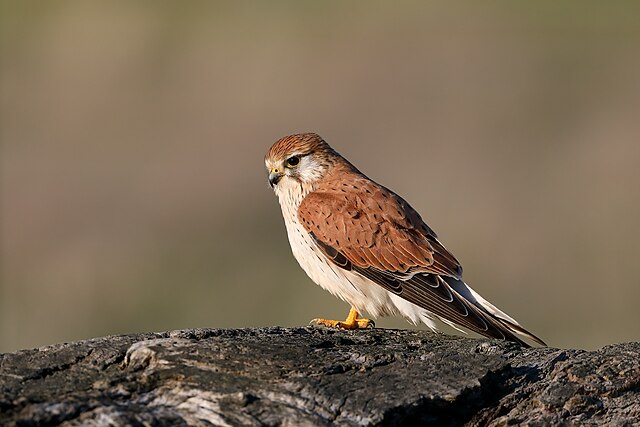
Amazon Pulls Deadly Rodent Poison In Australia
Amazon Australia has begun removing second generation rodenticides from sale, a decision that could save countless native animals. Now Bunnings, Woolworths and Coles must match it.
-
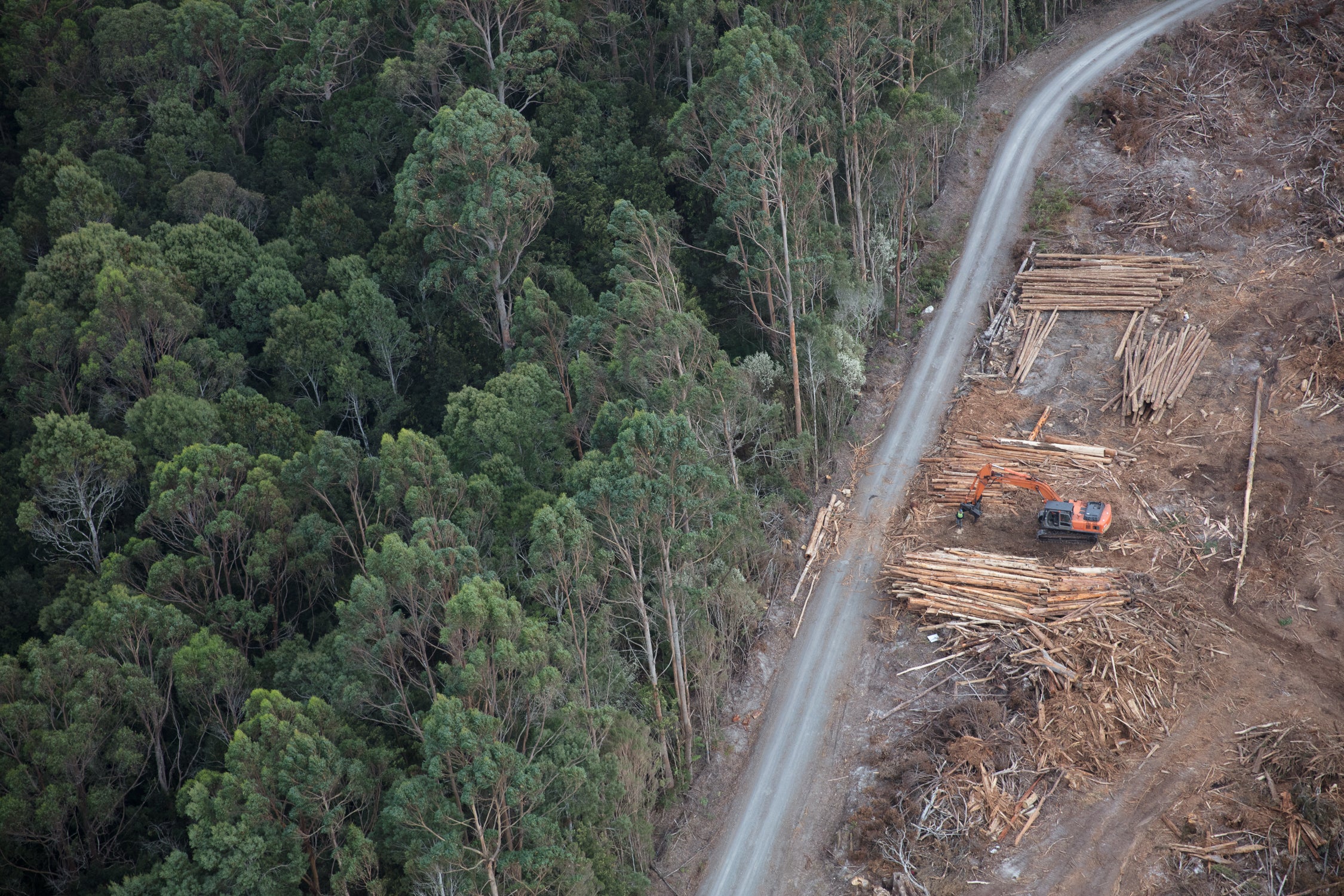
A Turning Point for the Environment
This week marks a significant moment in Australia’s environmental history, one that has left me feeling a mix of cautious hope, exhaustion, and that familiar weight in the chest that…
-
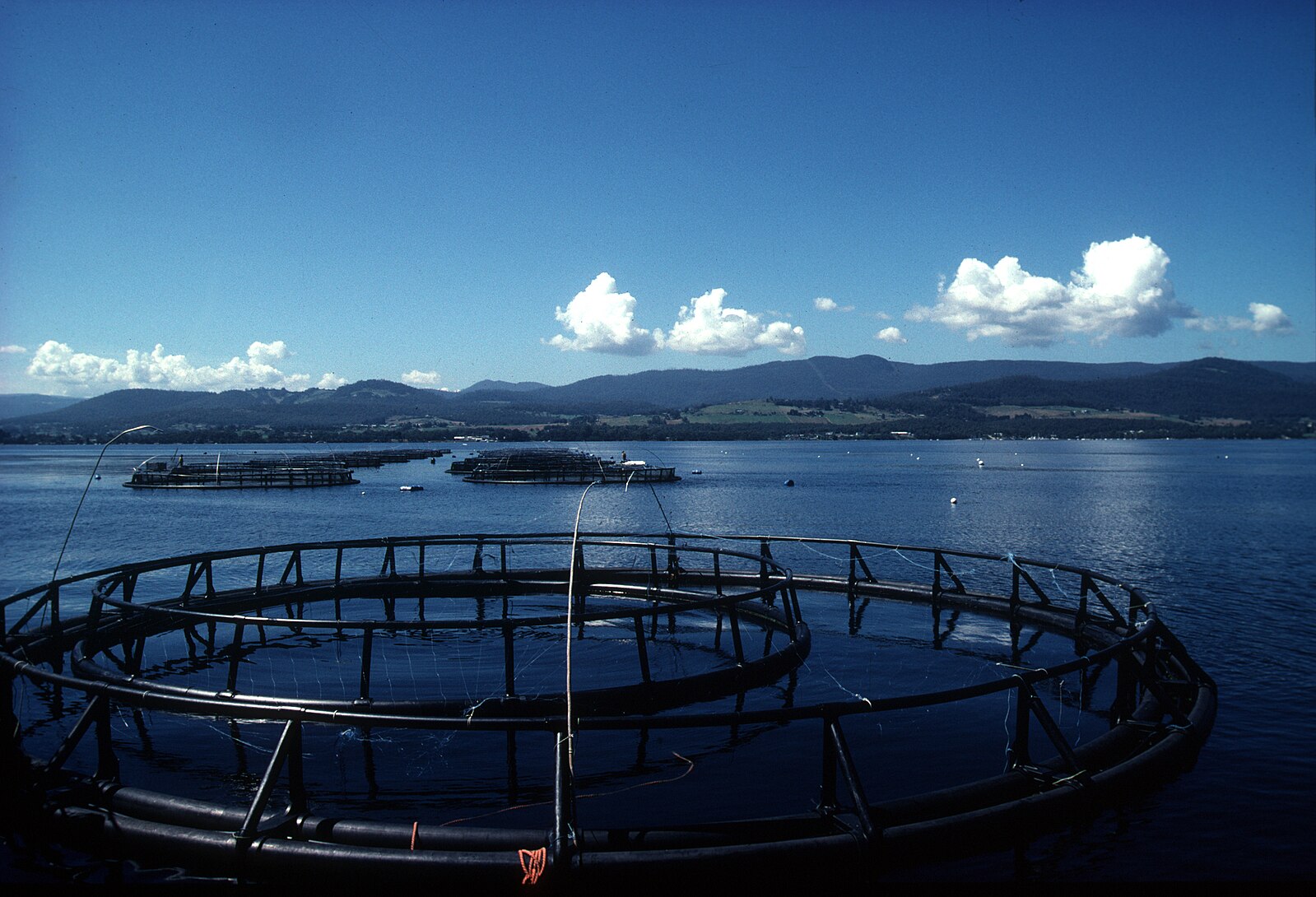
Florfenicol Under the Microscope
Florfenicol is a veterinary antibiotic belonging to the phenicol family, related to chloramphenicol and thiamphenicol but developed exclusively for animal use. It was designed to deliver broad-spectrum antibacterial protection while…

Wildlife News, Conservation and Education in Tasmania
Explore
Need Help With Wildlife?
Found injured or orphaned wildlife in Tasmania? Contact Bonorong Wildlife Rescue on 0447 264 625, 24 hours a day.
© 2026 Wild Island. All rights reserved.