Tag: Animals
-
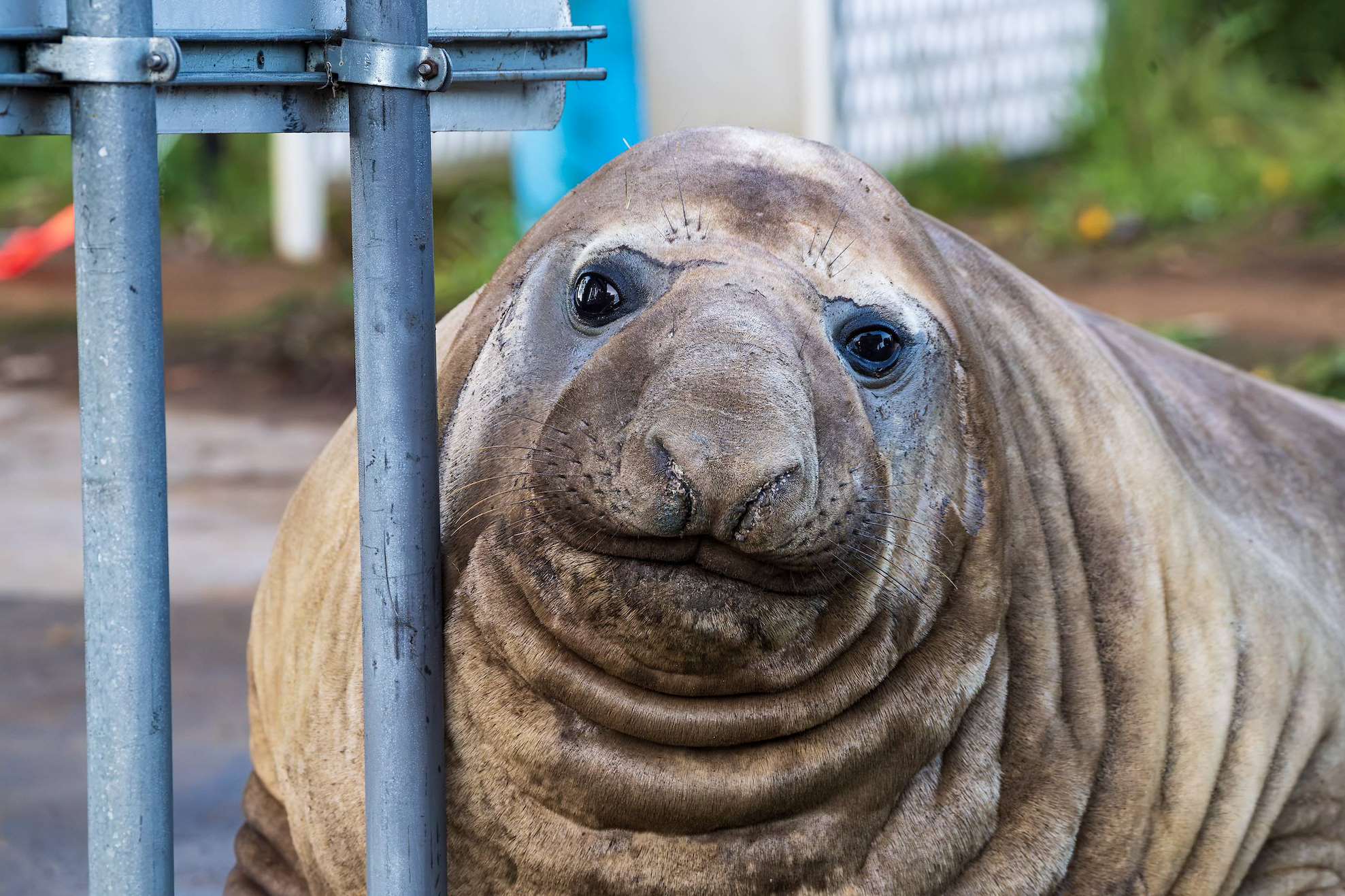
Who is Neil the Elephant Seal?
Neil the Seal has captured hearts around the world, but there is much more to his story than viral headlines. Discover who Neil is, why he keeps returning to Tasmania, how southern elephant seals live, and why giving these remarkable marine mammals space is essential for their welfare and conservation.
-
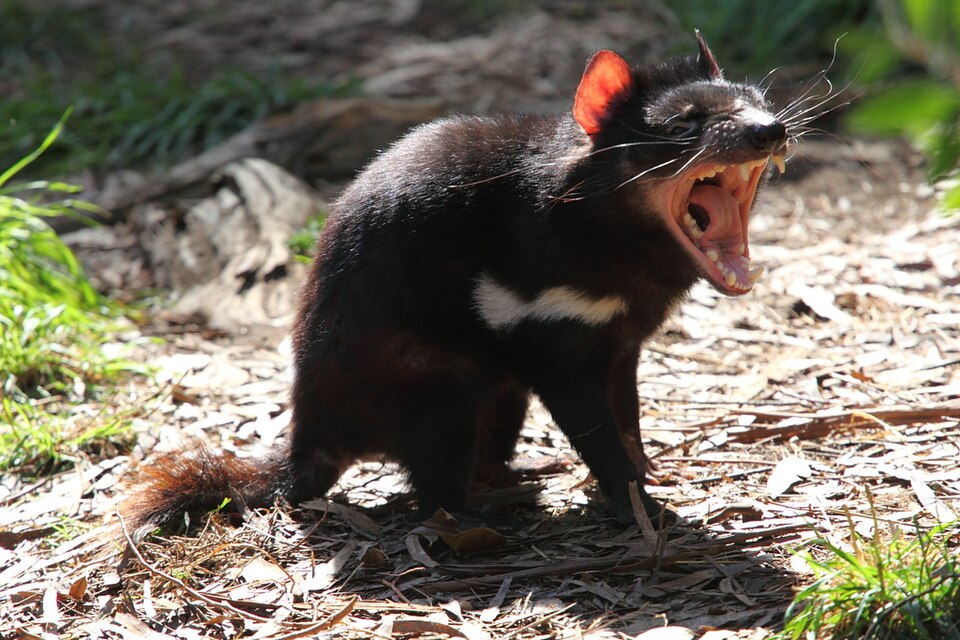
Australian Mammals at Risk from H5N1 Bird Flu
The arrival of H5N1 bird flu in Australia has raised new questions for wildlife conservation. While the virus primarily affects birds, native mammals may also face risks. Discover which Australian species could be vulnerable, what scientists know so far, and why preparation matters.
-
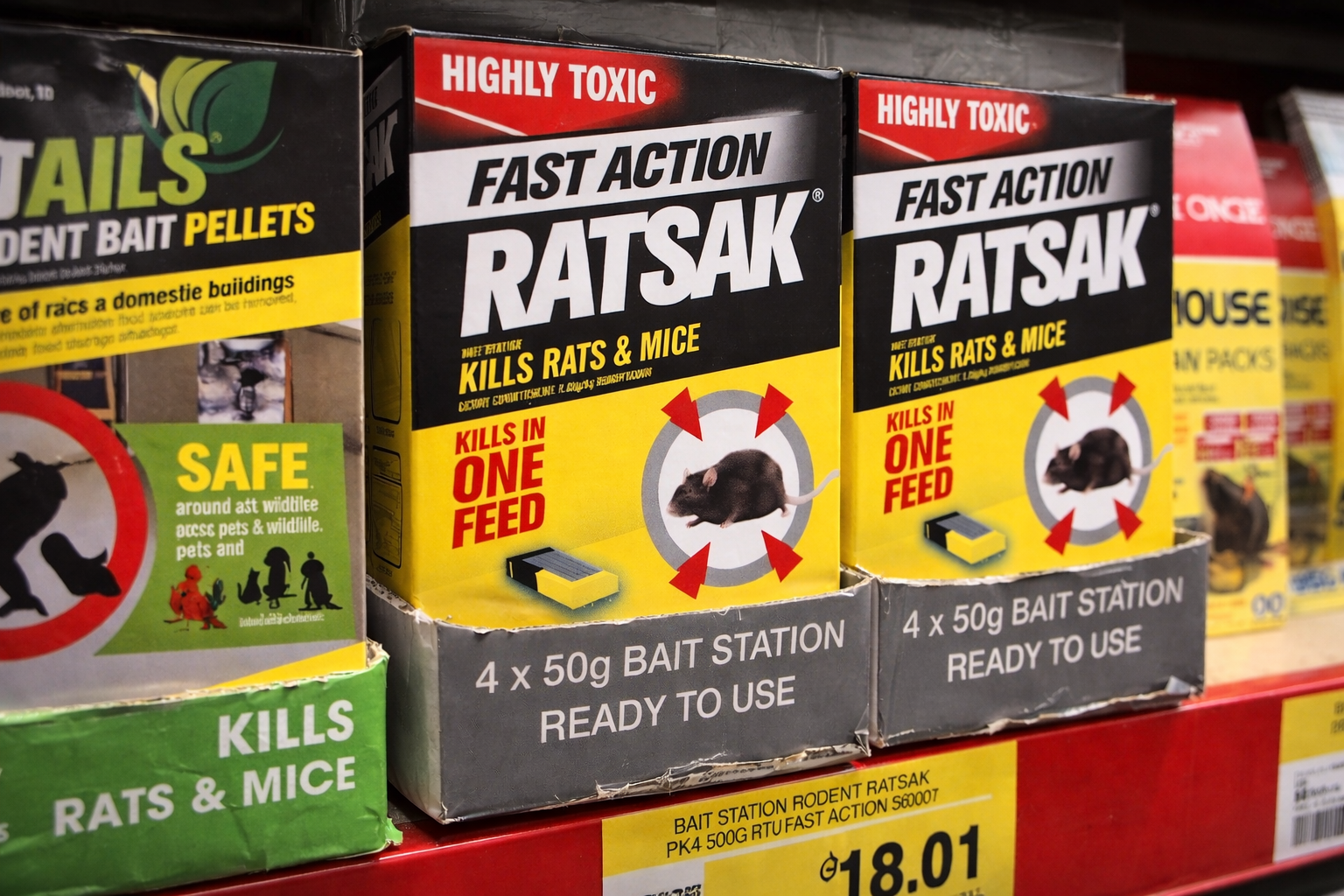
Regulator Moves To Restrict SGAR Rat Poisons
Australia’s chemical regulator has warned that some rat poisons pose unacceptable risks to wildlife. The APVMA is moving to restrict second generation anticoagulant rodenticides used in pest control.
-
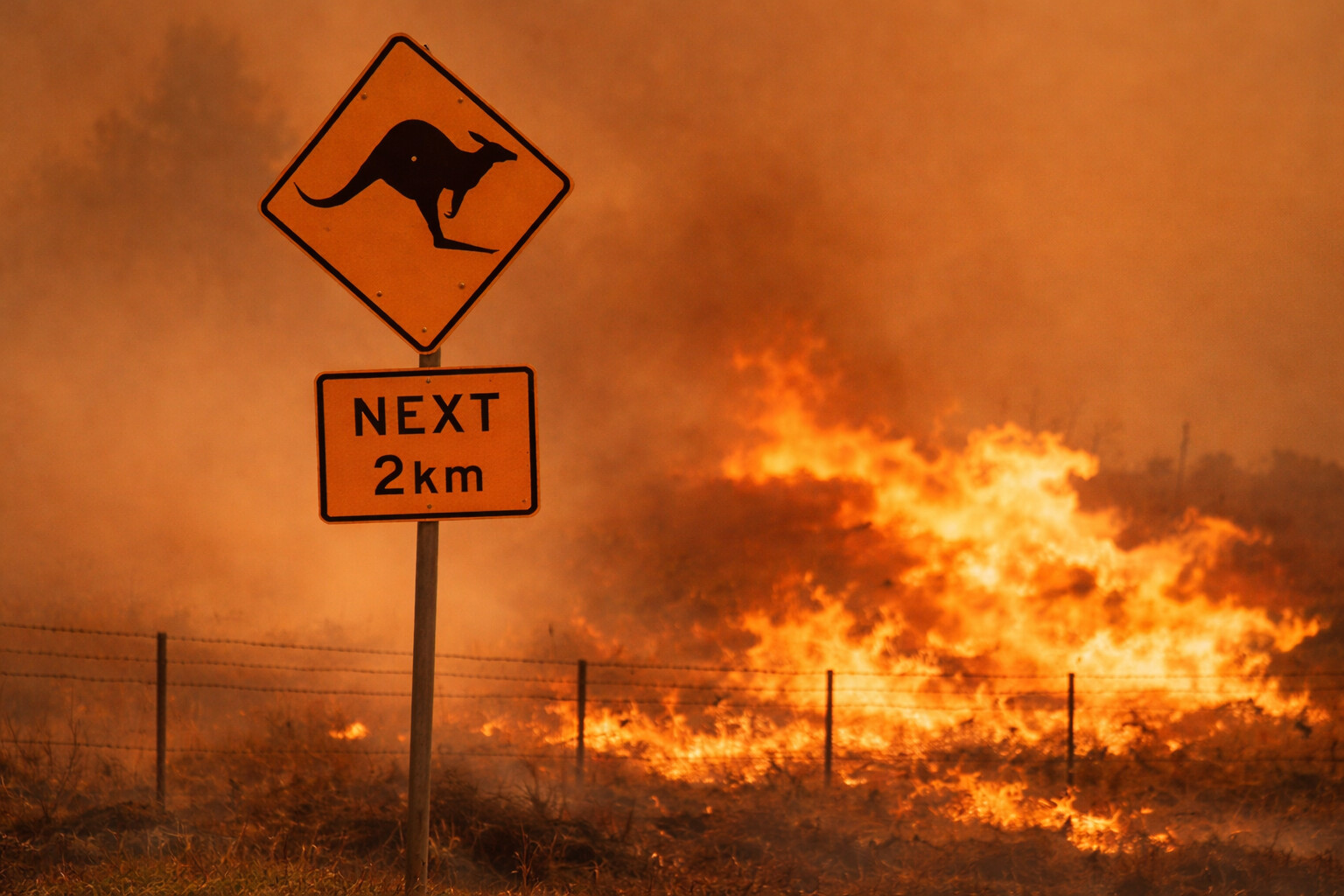
What Fire Takes From Us
Bushfires take more than land and homes. They take refuge, safety, and lives that are often unseen. A reflection on wildlife loss, care, and responsibility during Australia’s fire seasons.
-
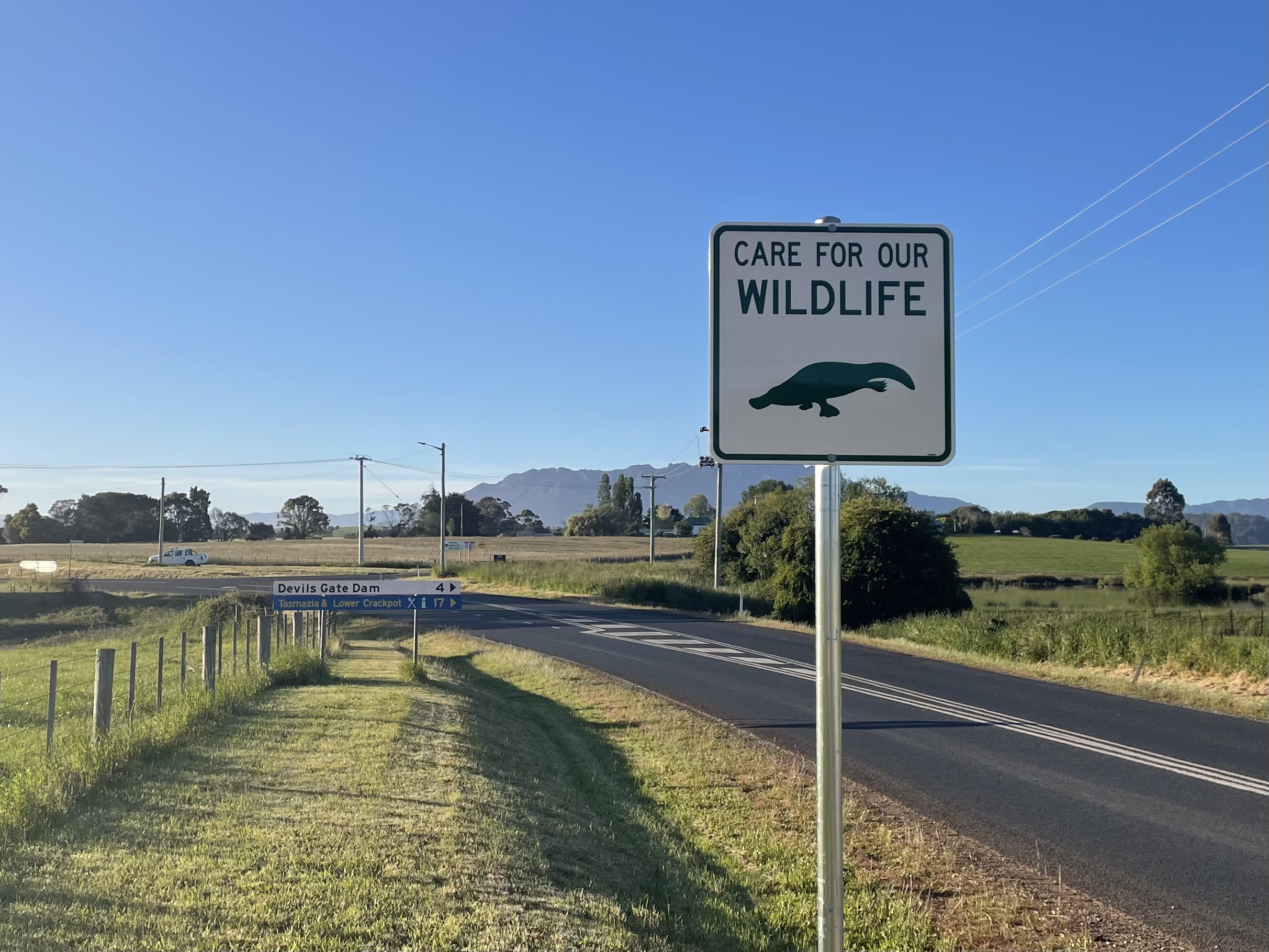
A World We No Longer See
Lately I’ve found myself wondering when we stopped feeling anything for the natural world. So many wildlife stories are met with eye rolls or quick dismissals, and it says something deeper about how disconnected we’ve become. This post is about what those reactions say, and why these little lives still matter.
-
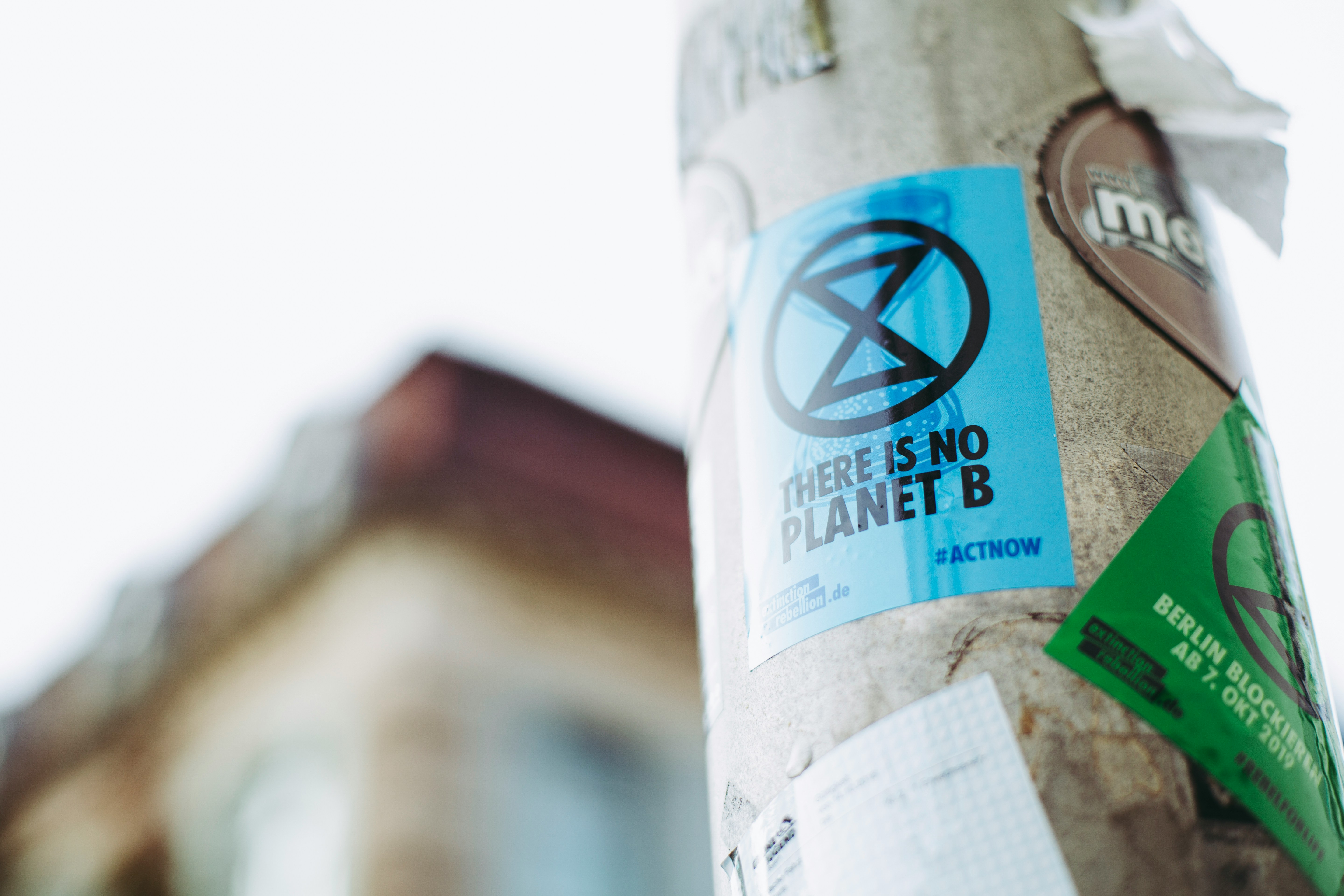
1080 Poison in Tasmania
Tasmania remains one of the few Australian states that still permits the use of 1080 poison to control native browsing animals such as wallabies, pademelons, and possums. Applied through carrot baits under government-issued permits, the toxin is promoted as a last resort to protect agricultural land. But 1080 is far from selective. It is a…
-

Platypus Doing Platypus Things
The platypus is unlike any other animal and is often described as strange, secretive, and endlessly fascinating. In this post, we explore why platypus matters, both the book by Jack Ashby and the truth it reveals. Through our own rescues and real life encounters, we share what makes this species so special and why its…
-
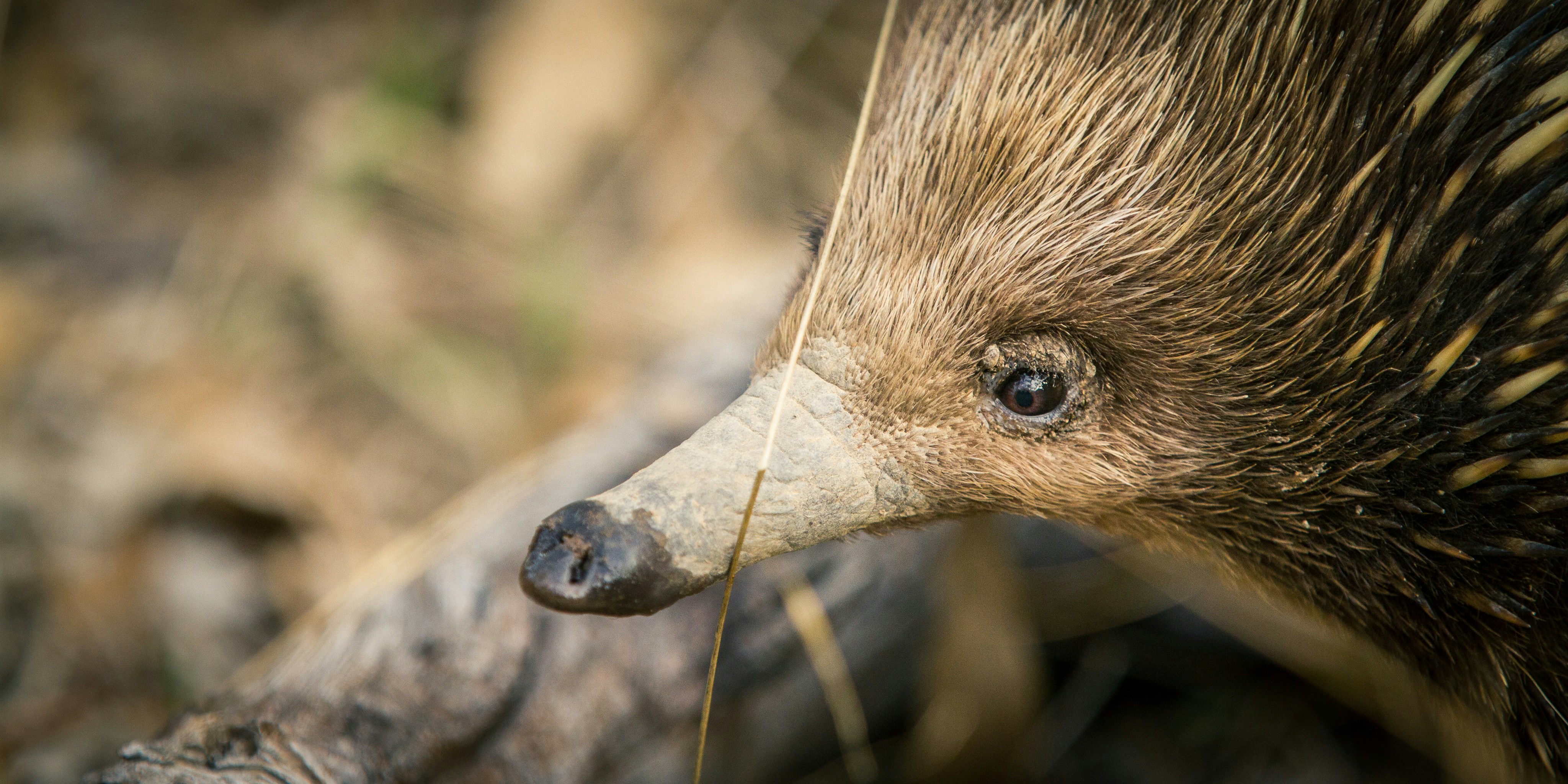
The Curious Case of Echidna Trains
Even in the quiet of winter, echidnas are on the move, and sometimes, they travel in a rather curious procession known as an echidna train. One female leads the way while a line of determined males follows behind, each hoping for a chance to mate. It’s a quirky, rarely seen spectacle of the wild.
-
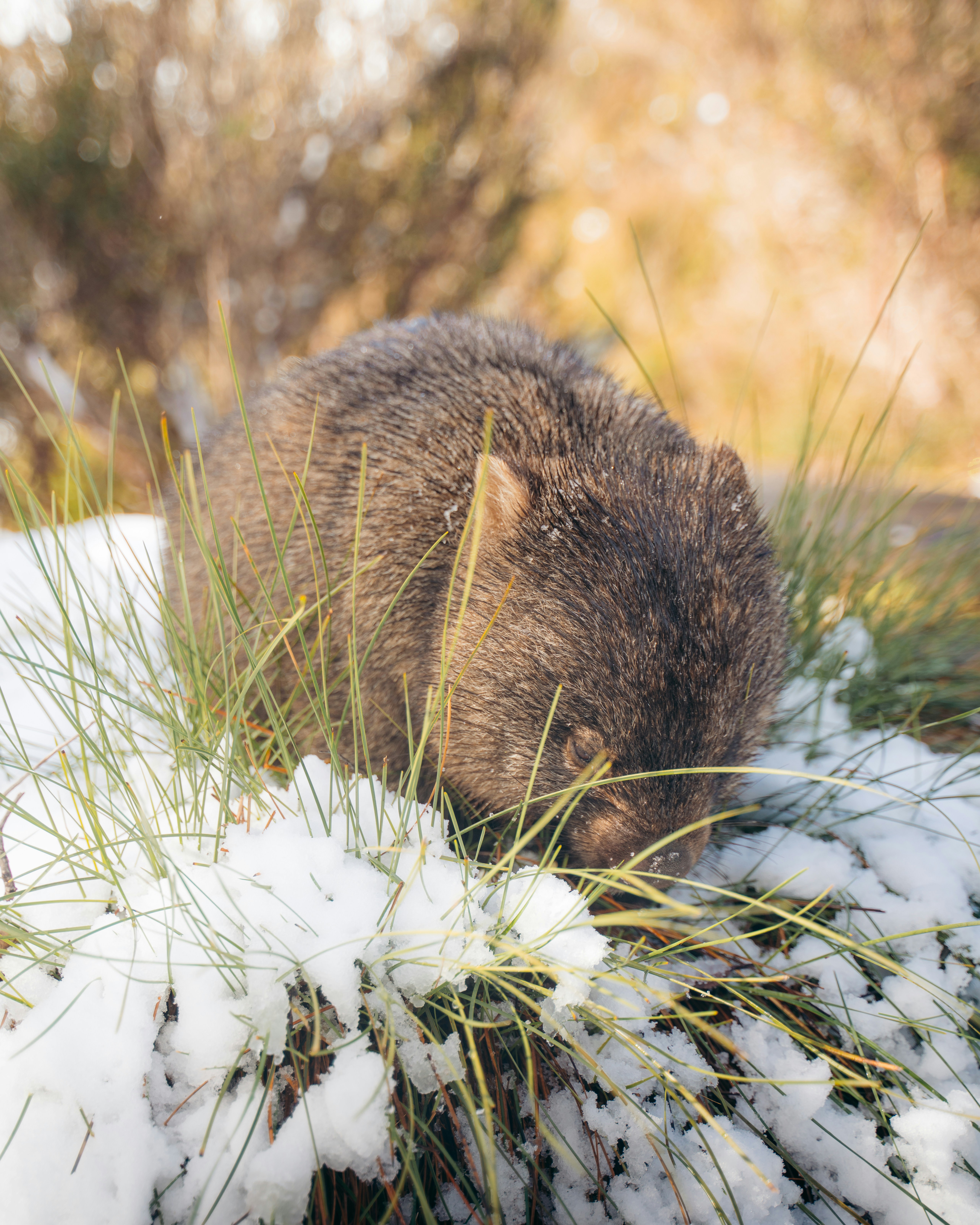
Tasmania’s Winter Wildlife Guide
Even in the coldest months of the Tasmanian year, our native wildlife doesn’t disappear, it simply changes pace. While some animals stay tucked away, others remain surprisingly active. From wombats and echidnas to owls and possums, this winter guide explores who’s out and about, and how you can help protect them.
-
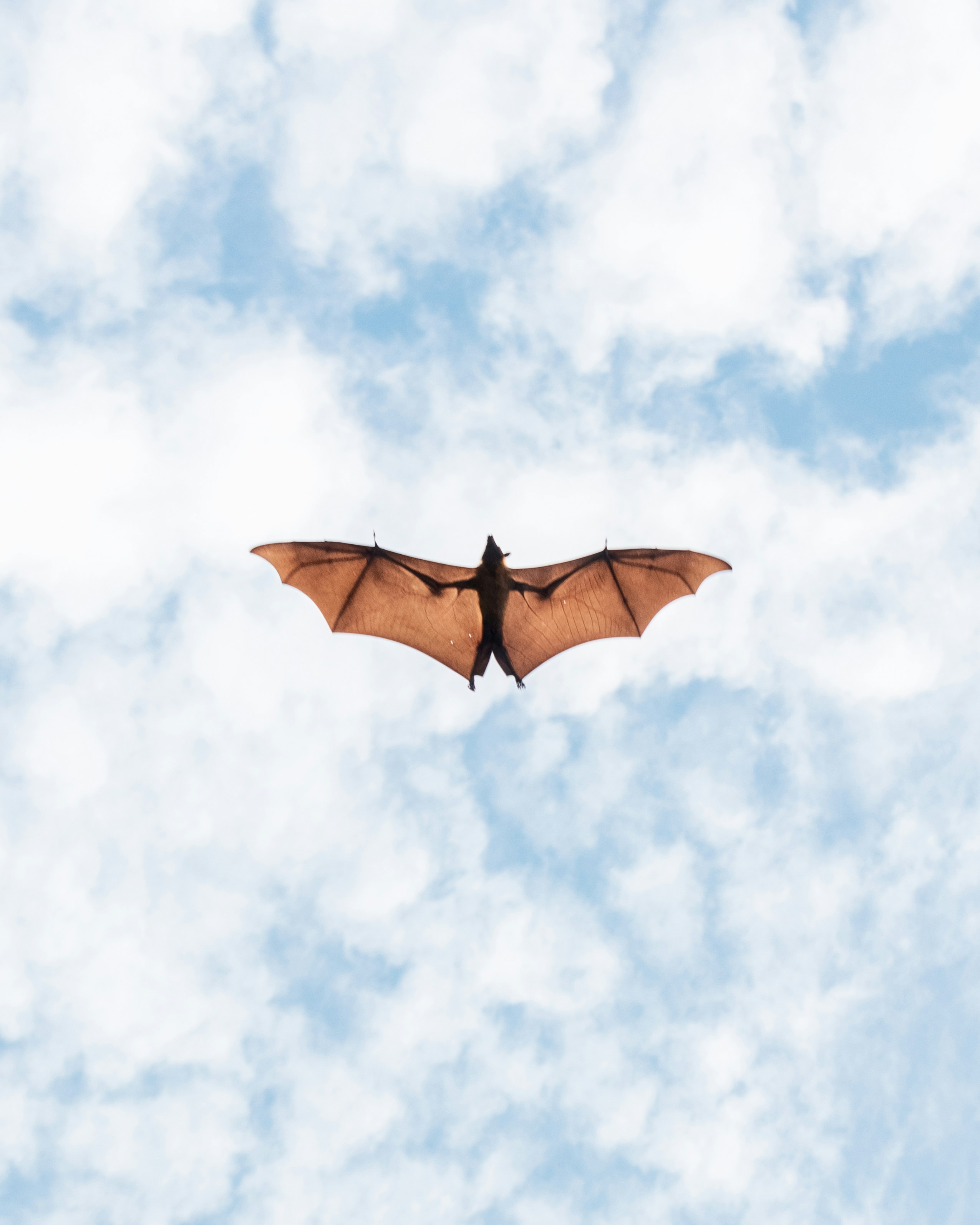
Australian Bat Lyssavirus: Why You Should Never Touch Bats
Australian Bat Lyssavirus (ABLV) is a rare but fatal virus that can be transmitted to humans through bat bites or scratches. This guide explains how ABLV spreads, why untrained members of the public should never handle bats, and what to do if you find a sick or injured bat in Australia.