
Animal Rescue
-

Platypus Returned to the Wild
A juvenile platypus is returned to the wild after rescue and care, a quiet moment that reflects both the reality and the rare rewards of wildlife rescue in Tasmania.
-
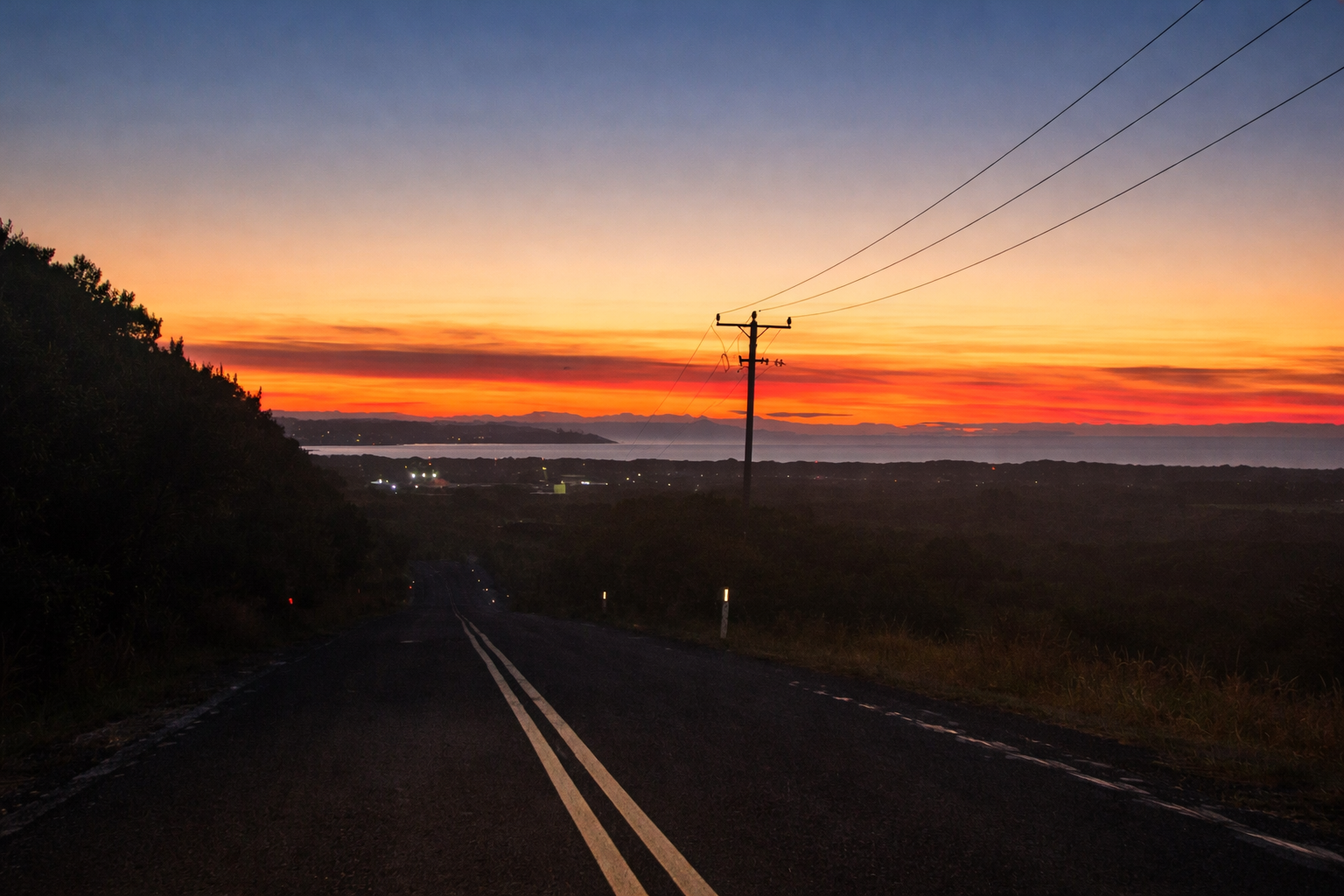
Roadkill in Tasmania
Why is roadkill so common in Tasmania? A deep dive into government data, habitat fragmentation, traffic patterns and wildlife movement, and why overpopulation myths don’t explain what we’re seeing on…
-
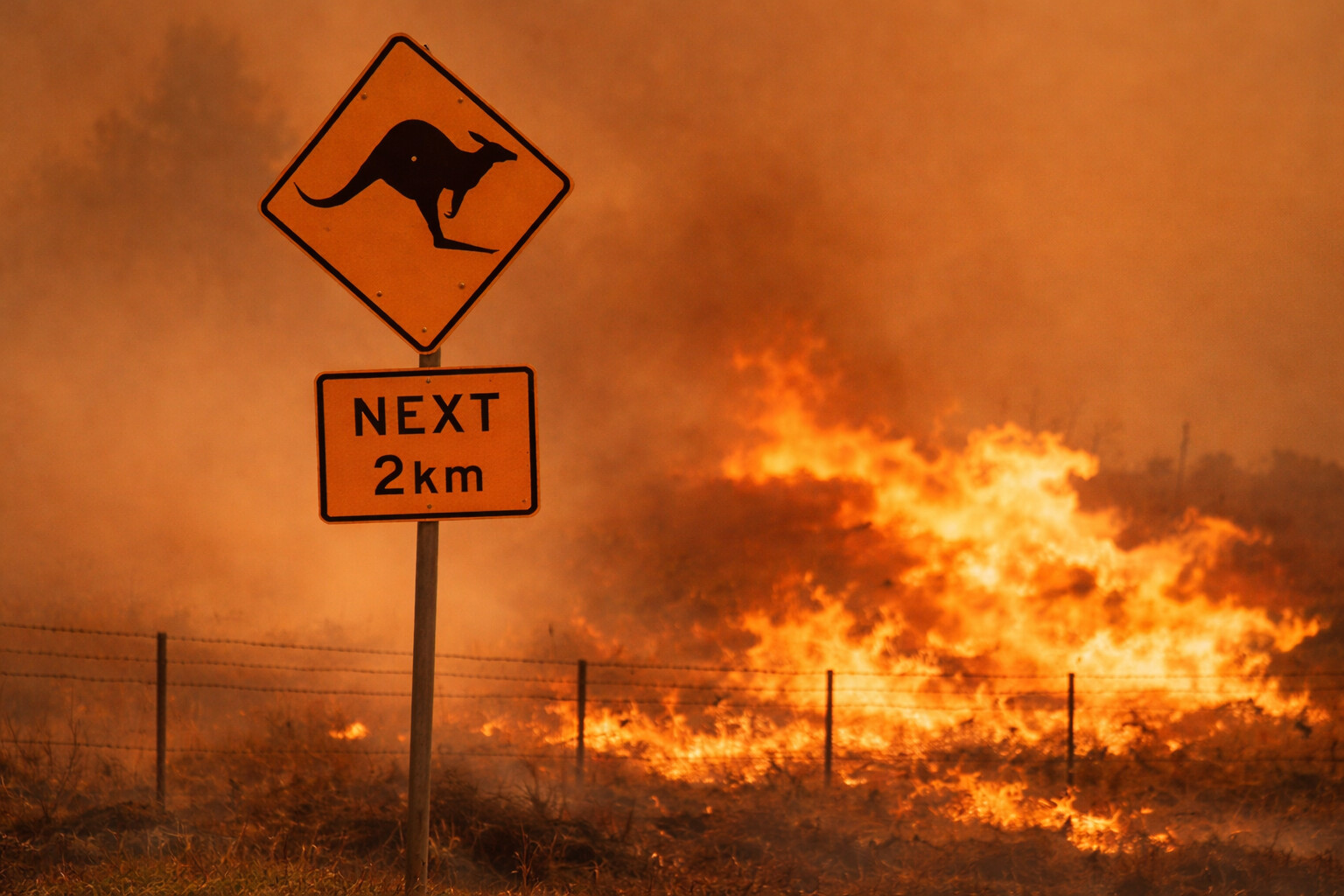
What Fire Takes From Us
Bushfires take more than land and homes. They take refuge, safety, and lives that are often unseen. A reflection on wildlife loss, care, and responsibility during Australia’s fire seasons.
-

A Christmas Day Rescue
A Christmas Day call led to the rescue of a severely injured brushtail possum and her joey. This story reflects the difficult decisions wildlife rehabilitators face, and why slowing down…
-

Platypus Doing Platypus Things
The platypus is unlike any other animal and is often described as strange, secretive, and endlessly fascinating. In this post, we explore why platypus matters, both the book by Jack…
-
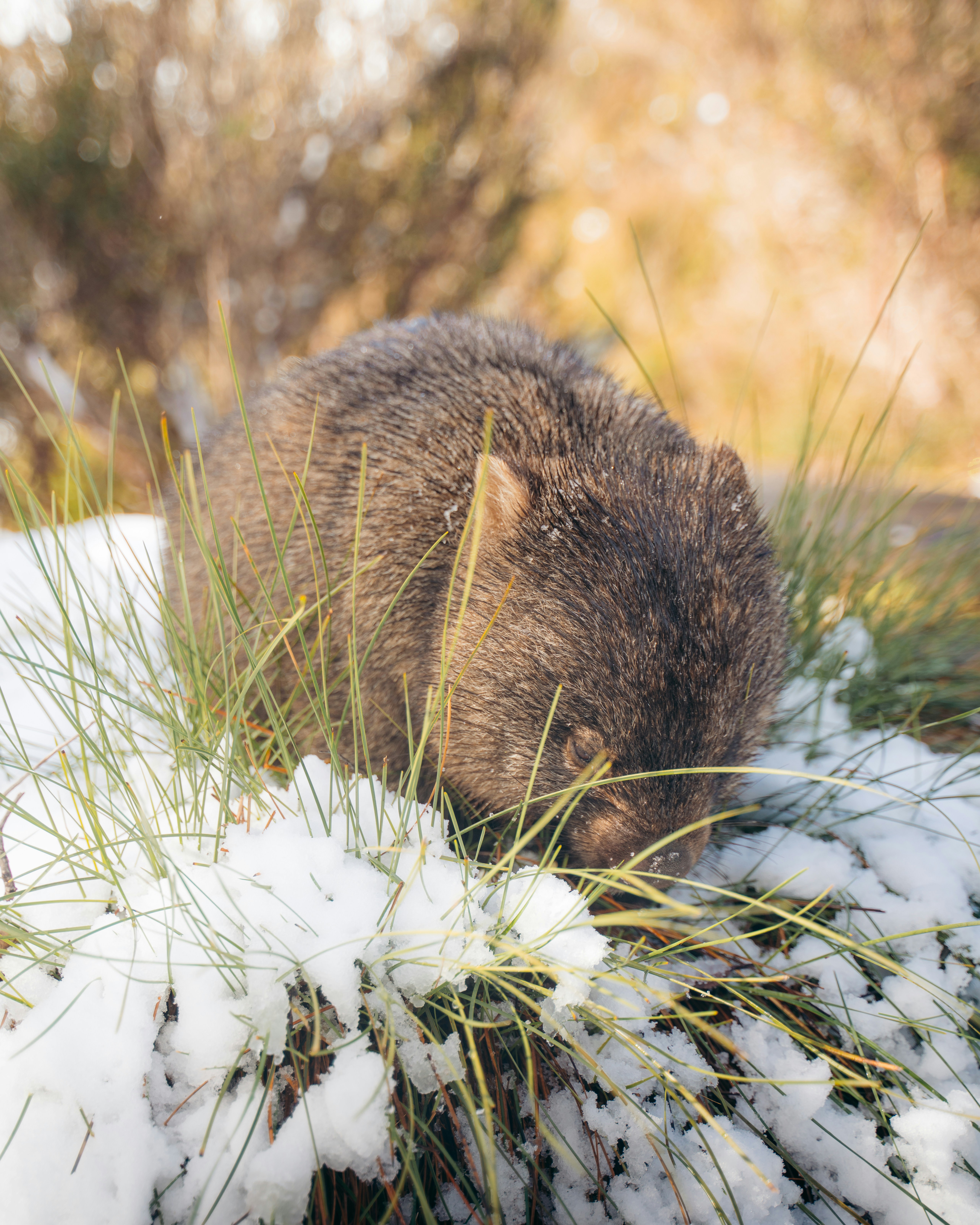
Tasmania’s Winter Wildlife Guide
Even in the coldest months of the Tasmanian year, our native wildlife doesn’t disappear, it simply changes pace. While some animals stay tucked away, others remain surprisingly active. From wombats…
-

What to Do if You Find Injured Wildlife
Found an injured animal and not sure what to do? This guide walks you through the steps to safely help Tasmania’s native wildlife, including who to call and when to…
-

How to Coexist with Possums in Tasmania
Possums are a familiar part of life across Tasmania, but sharing our homes and gardens with wildlife can sometimes raise questions. Learn how to identify Tasmania’s common possum species, understand…
-
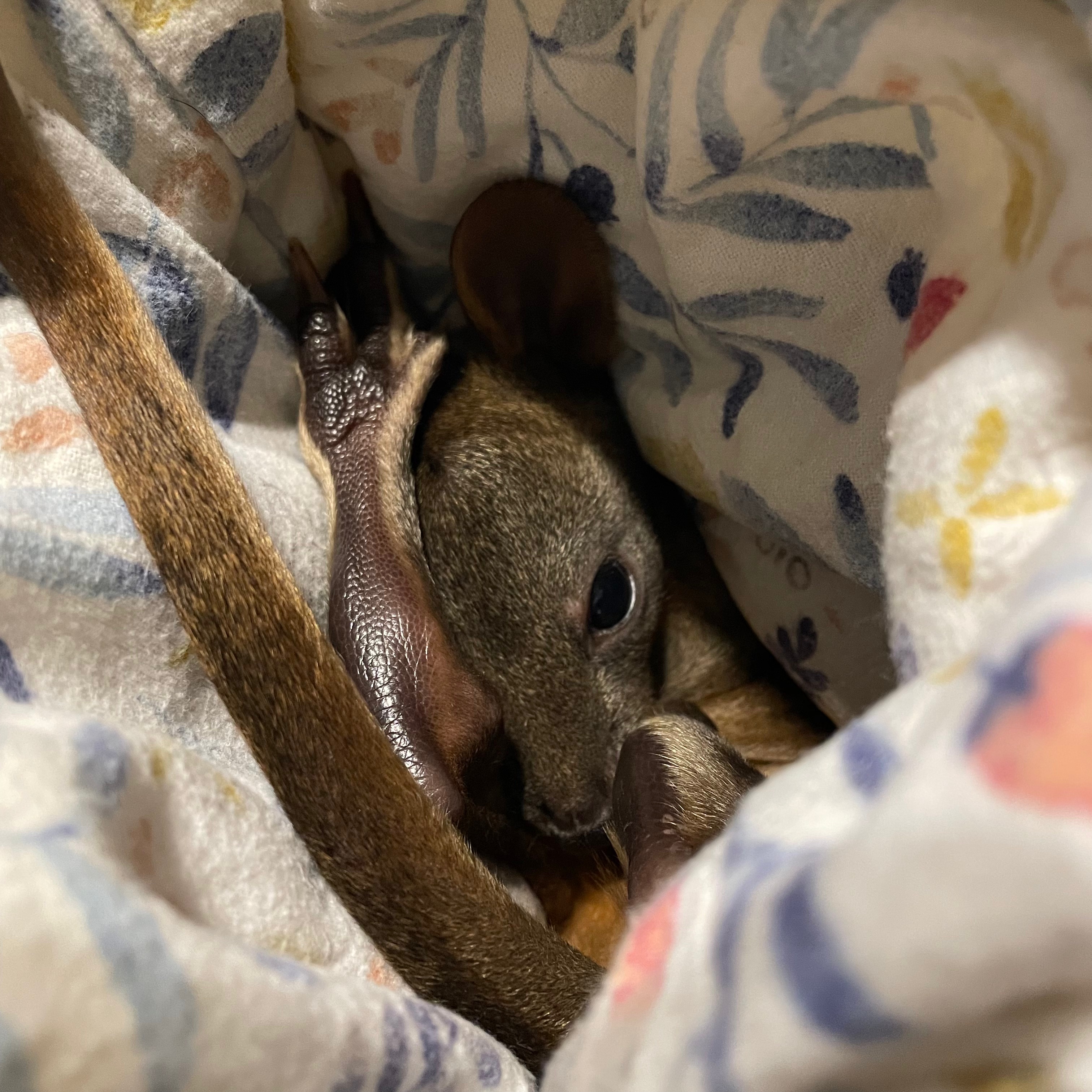
Why Checking for Joeys Matters More Than You Know
Luna is a young pademelon joey, furred, bright-eyed, and far too small to survive without her mum. When we arrived, she was curled tight in a blanket, blinking up at…
-

Little Auzzie, the Brushtail Possum Joey
As wildlife carers, we are no strangers to loss. But the methodical nature of this scene, the senselessness of it, left us feeling angry. Possums are sometimes hit by cars.…
-
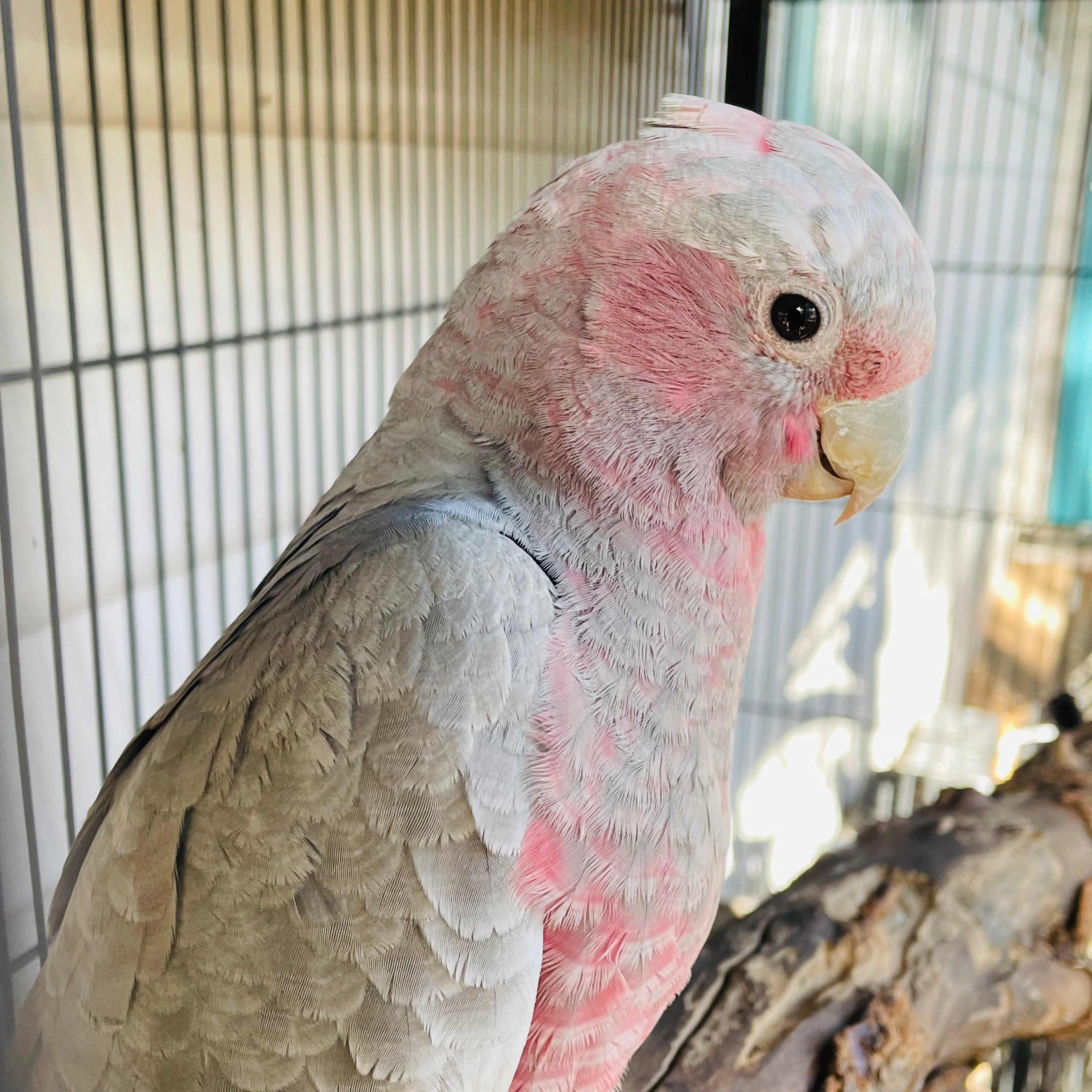
Gary, the Cheeky Galah
Gary found himself in a bit of a predicament in the wild, losing some of his flight feathers which he relies on to be able to thrive in the wild.…
-

Stanley, The Orphaned Wombat Joey
Stanley came into our care after he was orphaned due to a car strike in North West Tasmania. A truck driver noticed his mother on the road and stopped to…
-

Discover the Fascinating World of Echidnas
Echidnas belong to the family Tachyglossidae and are part of a group of mammals known as monotremes. Monotremes are among the most primitive mammals, alongside the platypus. Unlike most mammals,…
-
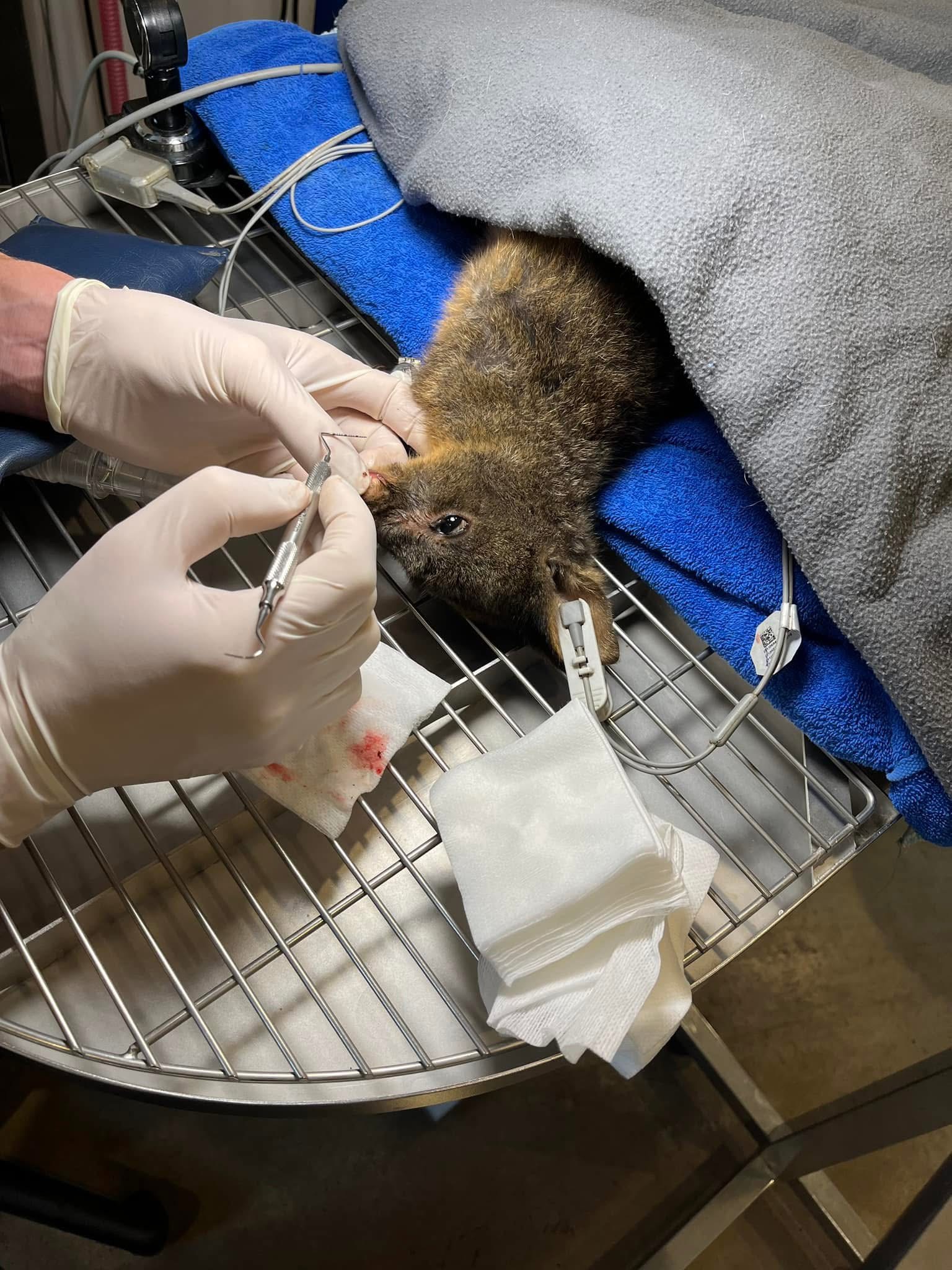
Lucy the Tasmanian Pademelon: A Story of Resilience
Lucy’s journey has been a rollercoaster of hope, fear, and ultimately, resilience. What began as a pretty straightforward rehabilitation case for a young joey quickly turned into an urgent battle…
-

Responsible Cat Ownership in Tasmania
Cats are great companions to many Tasmanian households, but as popular as they are, owning a cat comes with significant responsibilities. Beyond simply providing food, shelter, and affection, responsible cat…
-

Meet The Tasmanian Pademelon
Meet the Tasmanian pademelon, one of Tasmania’s most familiar native marsupials. Discover its gentle nature, fascinating behaviour and the important role it plays in the island’s ecosystems.
-
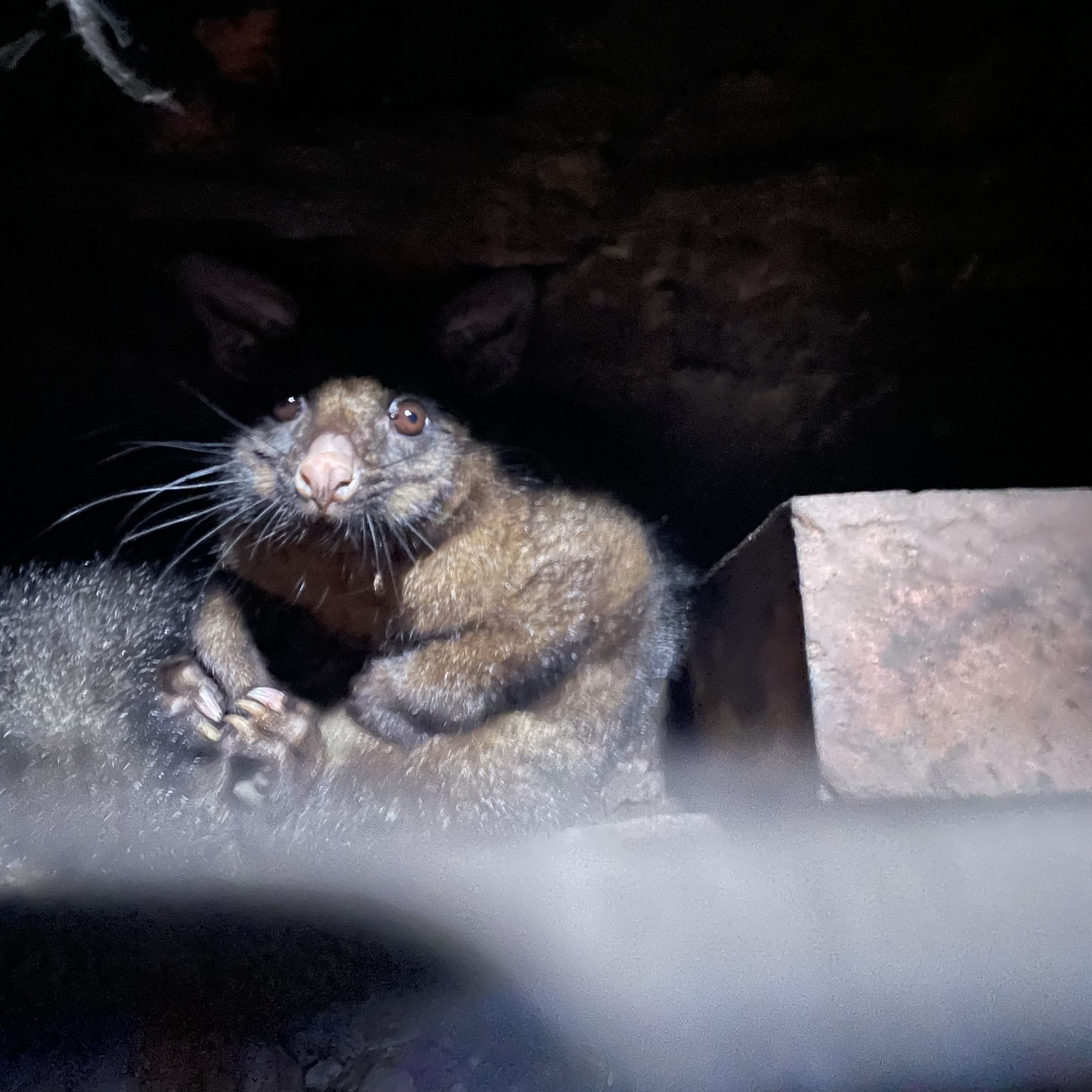
Rescuing a Possum from a Fireplace
There’s really nothing quite like rescuing a possum stuck in a fireplace! It’s one of those moments that reminds you just how fascinating (and sometimes tricky) Aussie wildlife can be!
-

Four Little Munchkins
As with most orphaned joeys, these four lost their mums to car strikes over the past week. Sadly, this is a common theme for many carers and rescuers, as wildlife…
-
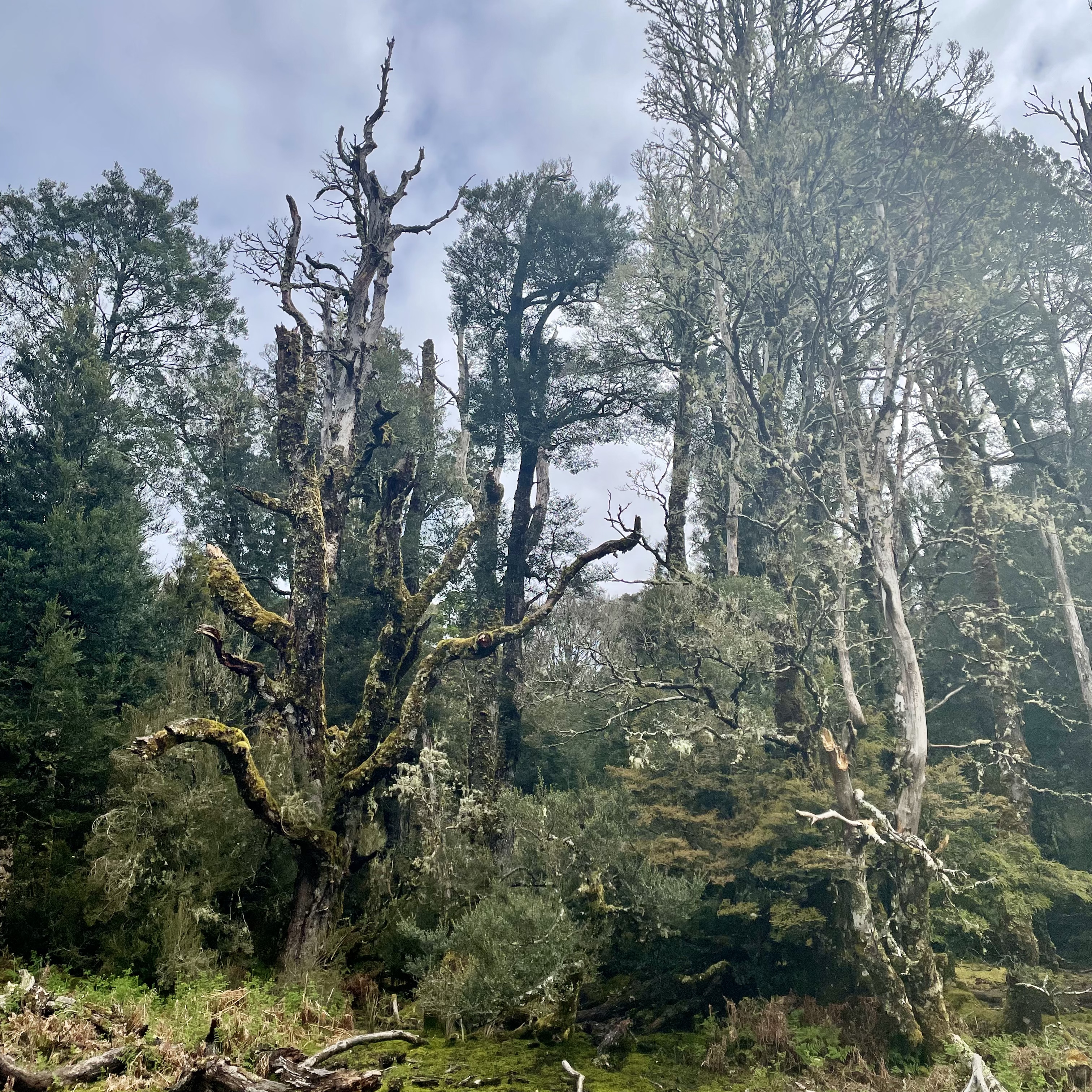
Echidna Rescue on Cradle Mountain Road
An echidna was found dead after being struck by a car on Cradle Mountain Road and was respectfully laid to rest. Drivers in wildlife prone areas, especially at dawn and…
-
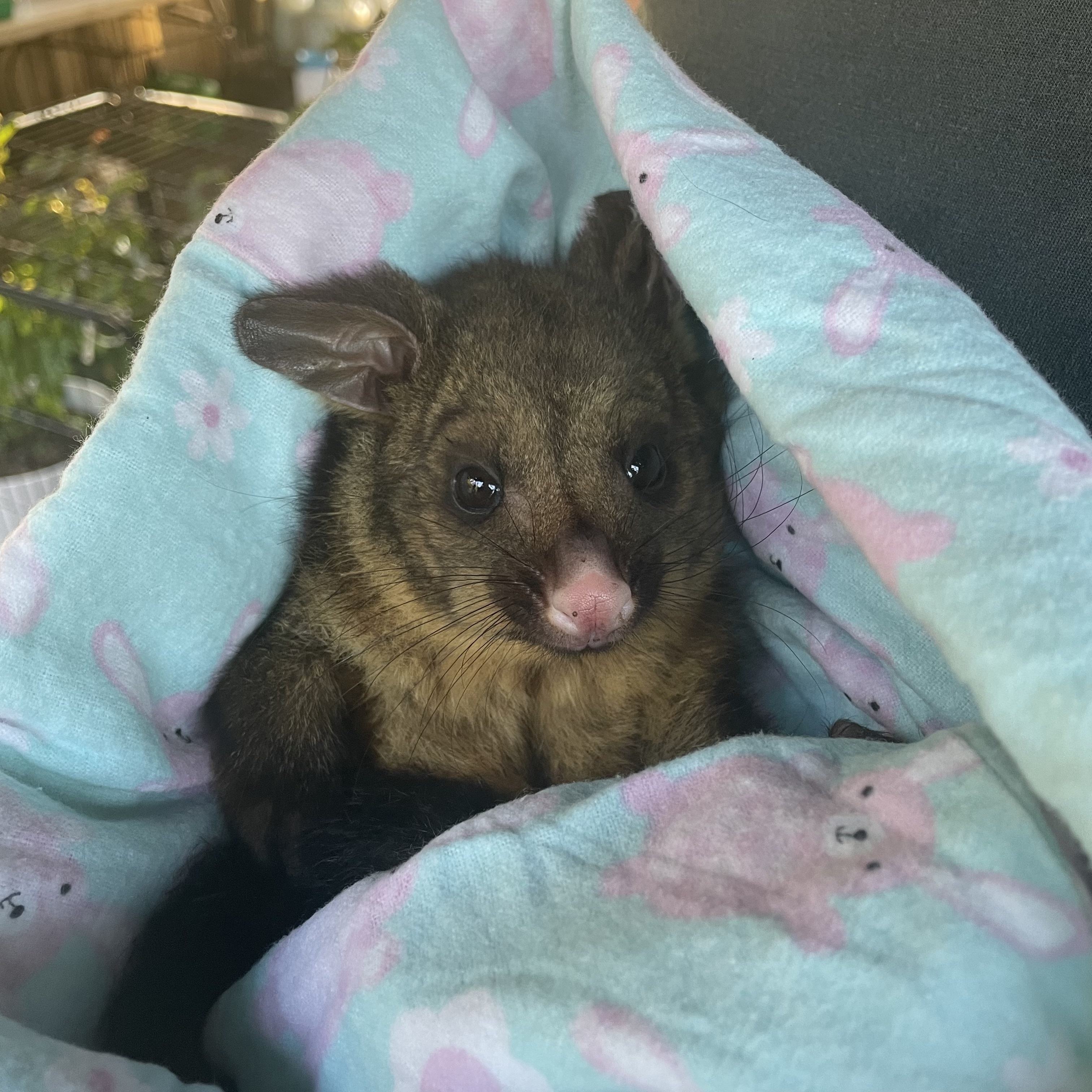
Possum Joey Rescue in Sheffield
Wild Island Rescue & Rehabilitation responded to a distress call from a Sheffield property regarding a female brushtail possum and her joey. The mother had suffered fatal injuries suspected from…
-

Pademelon Joey Rescued on Knox Drive
Pademelon joey rescued beside her deceased mother. Thanks to the compassionate team at Sheffield Veterinary Clinic, she is now receiving proper care from an experienced carer. If you encounter injured…

Wildlife News, Conservation and Education in Tasmania
Explore
Need Help With Wildlife?
Found injured or orphaned wildlife in Tasmania? Contact Bonorong Wildlife Rescue on 0447 264 625, 24 hours a day.
© 2026 Wild Island. All rights reserved.